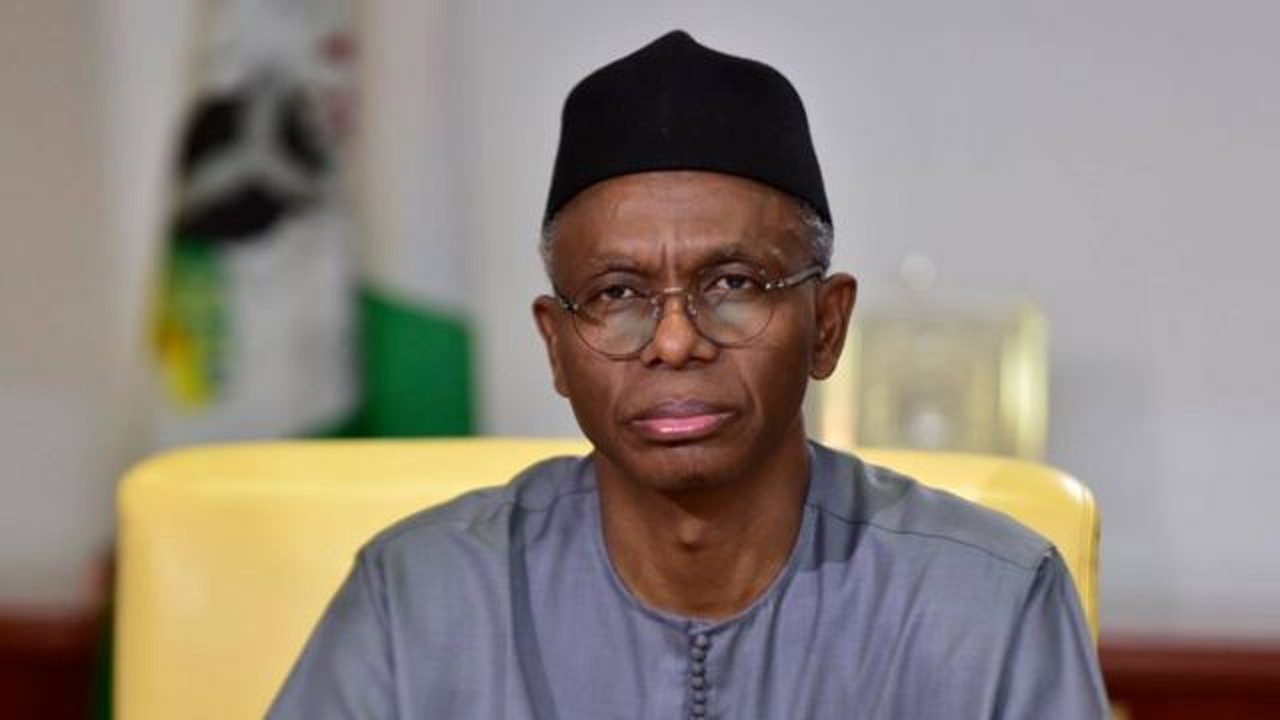
The Federal Government, Kaduna State Government, and the Christian Association of Nigeria (CAN) have strongly criticized former Kaduna State Governor Nasir El-Rufai for his remarks on banditry and the population of Southern Kaduna, labeling them as false, inflammatory, and divisive.
During an appearance on Channels Television’s Sunday Politics on August 31, 2025, El-Rufai accused the government of “empowering bandits” through monthly allowances and food supplies under the guise of “non-kinetic measures,” calling it a “kiss-the-bandits policy.”
“What I will not do is to pay bandits, give them a monthly allowance, or send food to them in the name of non-kinetic. It’s nonsense; we’re empowering bandits. It’s not the government of Kaduna State; it’s a national policy driven by the Office of the National Security Adviser, and Kaduna is part of it. Kiss the bandits; that’s the new policy,” El-Rufai, a former Minister of the Federal Capital Territory, asserted.
He further stated, “My position has always been [that] the only repentant bandit is a dead one. Let’s kill them all. Let’s bomb them until they are reduced to nothing, and then the five per cent that still want to be rehabilitated can be rehabilitated. You do not negotiate from a position of weakness. You don’t empower your enemy; you don’t give him money to go and buy sophisticated weapons. That is why the insecurity problem has not gone away and will not go away as long as this policy continues.”
El-Rufai added, “They can deceive, they can cover up, they can do propaganda, but those that live in Katsina, Zamfara, and Kaduna know what is happening.”
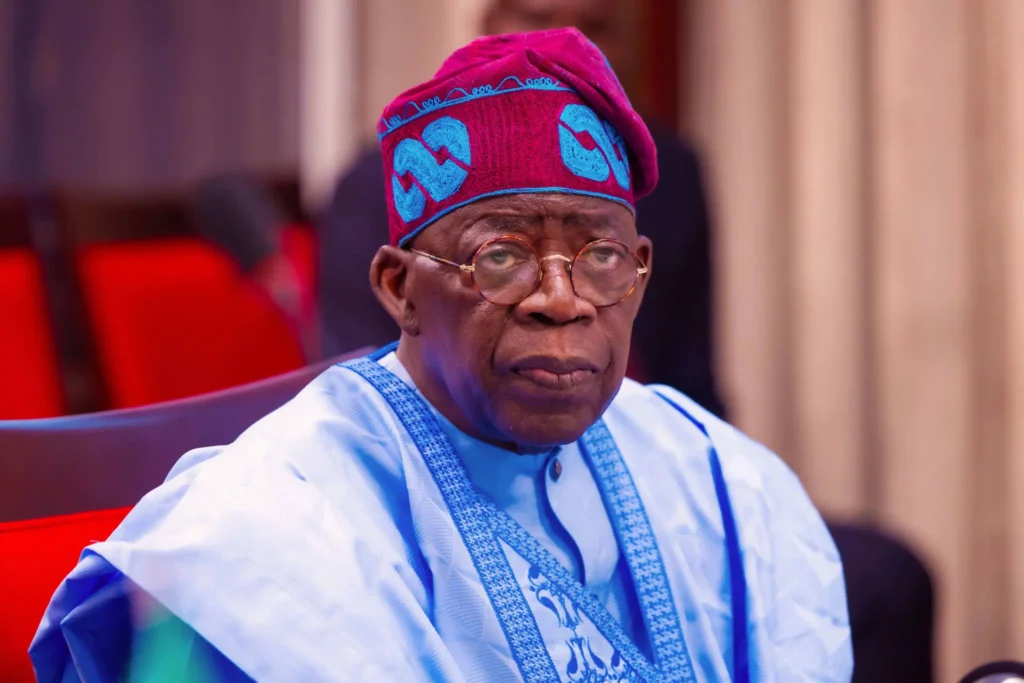
Federal Government Rejects Claims
The Federal Government promptly dismissed El-Rufai’s allegations as baseless and disconnected from reality. In a statement issued by Zakari Mijinyawa on behalf of the Office of the National Security Adviser (ONSA), it was clarified that no payments or incentives have been made to bandits under the current administration.
“In that interview, he alleged, falsely, that the ONSA coordinates a policy of payments and offers incentives to bandits. This claim is baseless. At no time has the ONSA, or any arm of government under this administration, engaged in ransom payments or inducements to criminals. On the contrary, we have consistently warned Nigerians against paying ransom,” the statement read.
The ONSA emphasized its dual approach of decisive military operations and community engagement to address local grievances, citing progress in areas like Igabi, Birnin Gwari, and Giwa in Kaduna State, which have seen relative peace. “The efforts of our gallant military and security agencies in capturing or eliminating notorious bandits have been widely reported in the media.
Recently, leaders of Ansaru, who previously established bases in Kaduna, were apprehended,” it added. The ONSA called El-Rufai’s denial of these achievements “unfair and deeply insulting” to the memory of fallen security personnel and urged political actors to avoid politicizing national security efforts.
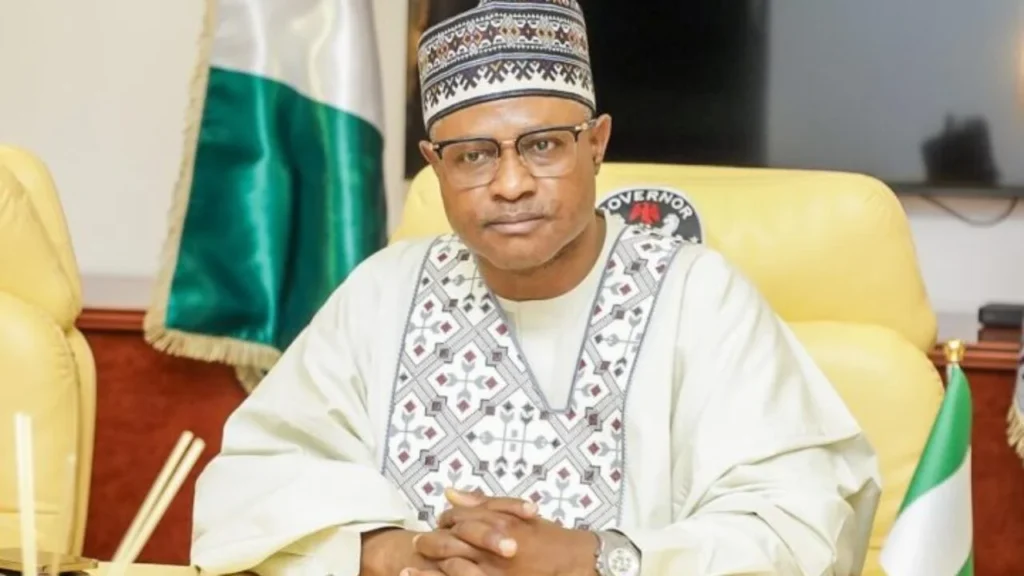
Kaduna State Accuses El-Rufai of Sabotage
The Kaduna State Government accused El-Rufai of attempting to destabilize the state through “provocation, manipulation, and incitement,” vowing not to allow a return to violence.
In a statement on September 1, 2025, Dr. Suleiman Shuaibu, the Commissioner for Internal Security and Home Affairs, claimed that El-Rufai escalated his actions following his allies’ defeat in the August 16 by-elections. “His rejected candidates and the incoherent coalition he assembled were resoundingly defeated in free, fair, and transparent elections that affirmed the people’s trust in the APC’s leadership and Senator Uba Sani’s progressive governance. Rather than accept this democratic outcome with dignity, El-Rufai has chosen to respond with sabotage,” Shuaibu stated.
The government alleged that El-Rufai organized an “illegal and chaotic meeting” on August 30, which led to violence, including gunfire that endangered residents. “El-Rufai attempted to shift blame by falsely accusing the government of sponsoring thugs to disrupt the meeting,” the statement continued. Shuaibu questioned, “Why would a governor who has just won the hearts of the people through credible elections need to disrupt a gathering of losers? This narrative is not only insulting to the intelligence of Kaduna residents but also exposes El-Rufai’s determination to return Kaduna to the orgy of violence and fear that defined his tenure.”
Shuaibu condemned El-Rufai’s banditry comments as “calculated, malicious lies” meant to undermine security efforts and incite unrest, noting that no federal or state agency has paid bandits. Instead, both governments advocate against ransom payments and pursue justice through military and community strategies.
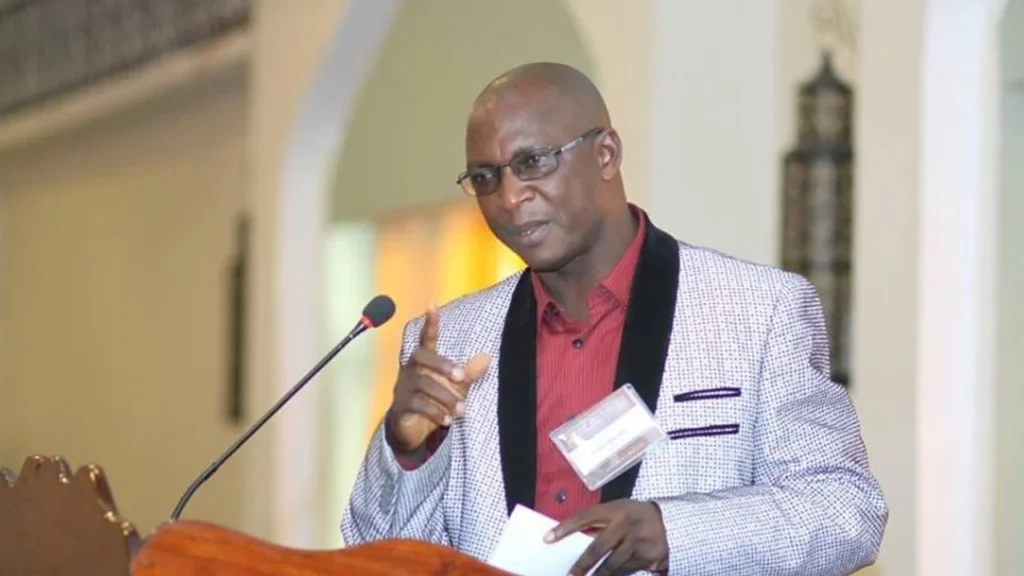
CAN Condemns Southern Kaduna Remarks
Reverend John Joseph Hayab, CAN Chairman for the 19 northern states and the Federal Capital Territory, also criticized El-Rufai’s remarks on Southern Kaduna’s population.
On Channels Television, El-Rufai claimed that Southern Kaduna constitutes less than 25 percent of Kaduna State’s population, expressing no regrets for his policies during his eight-year tenure.
Hayab, who led CAN in Kaduna during El-Rufai’s administration, called these remarks “dangerous and divisive,” highlighting their reflection of ongoing tensions. He cited significant population figures from a past national census, underscoring Southern Kaduna’s demographic importance.
What You Should Know
On August 31, 2025, former Kaduna State Governor Nasir El-Rufai sparked controversy on Channels Television’s Sunday Politics, alleging that the federal and Kaduna State governments are “empowering bandits” through payments and food supplies, a claim he tied to a national policy led by the Office of the National Security Adviser (ONSA).
The Federal Government, via ONSA, dismissed these allegations as baseless, emphasizing its no-ransom policy and successes in areas like Birnin Gwari. The Kaduna State Government accused El-Rufai of sabotage, linking his actions to his allies’ loss in the August 16 by-elections and condemning a violent meeting he allegedly organized.
The Christian Association of Nigeria (CAN) criticized El-Rufai’s claim that Southern Kaduna accounts for less than 25% of the state’s population, calling it divisive and reflective of historical tensions.