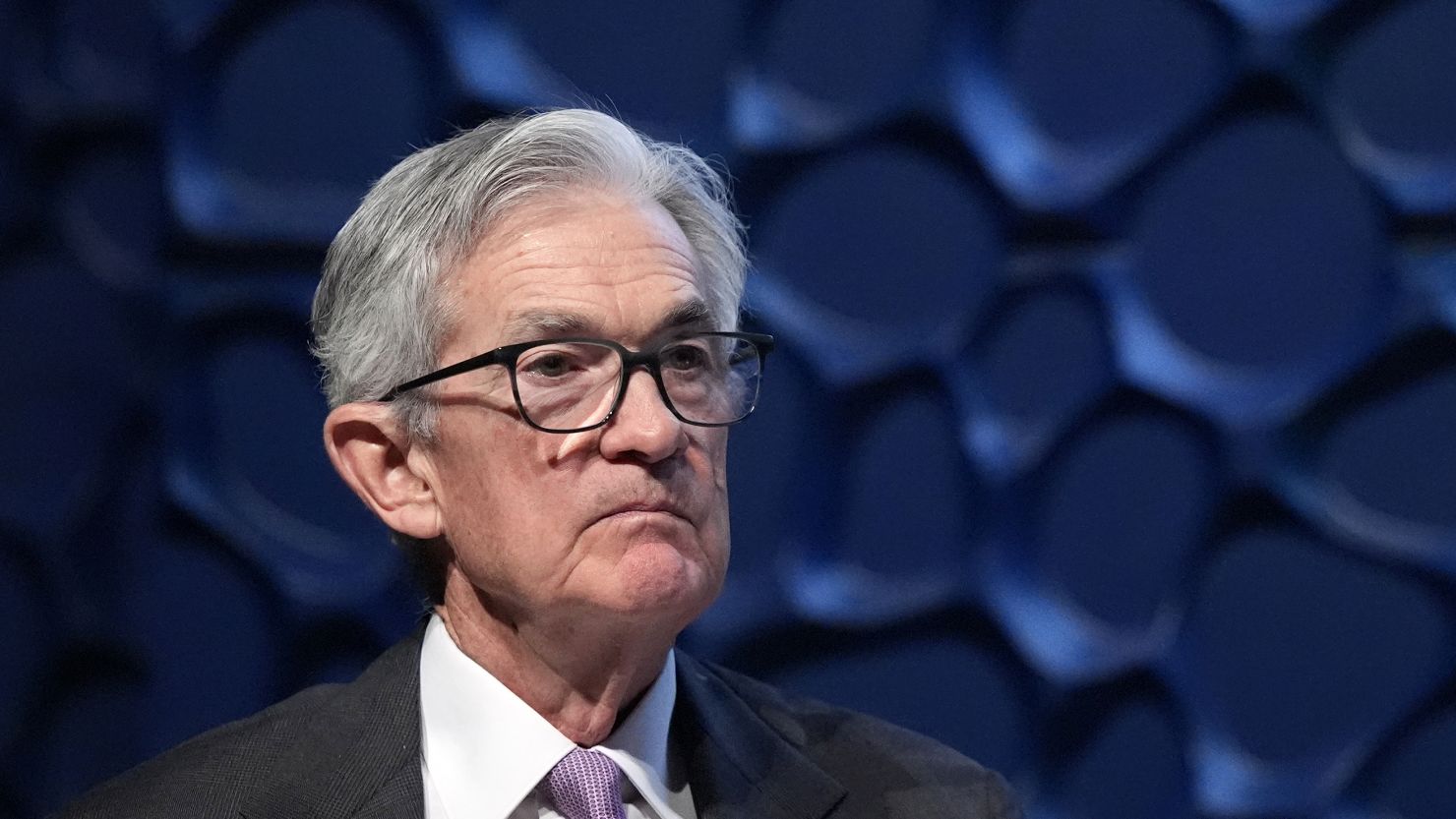
Federal Reserve Chair Jerome Powell delivered what many investors interpreted as a dovish signal at the Jackson Hole economic symposium, effectively telegraphing a likely interest rate cut in September while carefully navigating mounting political pressures and lingering economic uncertainties.
In what marked his final Jackson Hole address as Fed chair—with his term set to expire in May—Powell struck a delicate balance between acknowledging deteriorating labor market conditions and persistent inflation concerns. While stopping short of an explicit commitment, his remarks were widely viewed as laying the groundwork for the central bank’s first rate reduction from the current 4.25%-4.5% range.
Market Response Reflects Cautious Optimism
Financial markets responded enthusiastically to Powell’s measured dovishness. Rate futures traders dramatically increased their bets on a September cut, with probabilities jumping from 70% before the speech to 84% afterward. The two-year Treasury yield, highly sensitive to rate expectations, plummeted 10 basis points to 3.68%, while the benchmark 10-year yield fell more than seven basis points to 4.26%.
Equity markets surged on the news, with the S&P 500 climbing 1.6% to near-record levels. Rate-sensitive sectors led the charge: small-cap stocks, which typically benefit from lower borrowing costs, saw the Russell 2000 index soar 3.9%. Homebuilding shares jumped even more dramatically, with the PHLX housing index advancing 4.7%.
“Powell definitely locked in that September rate cut, and the certainty of that is rippling positively across global markets,” said Matthew Miskin, co-chief investment strategist at Manulife John Hancock Investments.
Currency Markets Signal Broader Economic Concerns
The dollar bore the brunt of concerns about a slowing U.S. economy, falling 1% against a basket of major currencies. The decline reflected both the immediate impact of anticipated lower rates—which make dollar-denominated assets less attractive—and deeper worries about America’s economic trajectory relative to other major economies.
“Rate differentials are tilting against the dollar,” explained Karl Schamotta, chief market strategist at Corpay, noting that traders were positioning for potential outperformance in overseas markets.
Stagflation Fears Temper Enthusiasm
Despite the market rally, seasoned investors expressed caution about the road ahead. The specter of stagflation—the toxic combination of sluggish growth and persistent inflation—loomed large in analysts’ assessments.
“People have been increasingly worried that we’re kind of heading into a stagflationary story,” said Drew Matus, chief market strategist at MetLife Investment Management. Recent data showing a surge in wholesale prices had already begun to dampen expectations for aggressive rate cuts before Powell’s speech.
The Fed chair’s comments came against the backdrop of troubling employment data, including a weak July jobs report and significant downward revisions to earlier figures. However, inflation remains stubbornly above the Fed’s 2% target, creating a challenging environment for monetary policy decisions.
Political Pressures Intensify
Perhaps most concerning for market observers was the intensifying political pressure on the Federal Reserve’s independence. President Donald Trump has maintained relentless pressure on Powell to cut rates and this week escalated his campaign by demanding the resignation of Fed Governor Lisa Cook, threatening to fire her if she doesn’t comply.
These political interventions have raised alarm bells about the central bank’s ability to maintain its independence—a cornerstone of effective monetary policy. Powell reiterated Friday that Fed decisions would remain “strictly data-driven,” but the political backdrop adds an unprecedented layer of complexity to the central bank’s deliberations.
“Trump’s words on Cook… are once again raising concerns over the Fed’s independence,” noted Helen Given, director of trading at Monex USA.
Looking Ahead: Sustainability Questions
While markets celebrated Powell’s dovish pivot, several analysts questioned whether the rally could sustain itself without broader economic improvement. Tom Graff, chief investment officer at Facet, warned that “rate cuts alone won’t be enough to sustain strength in stocks,” particularly if labor market conditions continue deteriorating.
The coming weeks will prove critical, with additional inflation and employment data due before the Fed’s September meeting. These reports could either reinforce the case for rate cuts or provide ammunition for those arguing the central bank should maintain its restrictive stance.
As Powell prepares to conclude his tenure amid these crosscurrents, the challenge of balancing economic data, market expectations, and political pressures while maintaining the Fed’s credibility and independence has never been more complex.
The September meeting will likely serve as a crucial test of the central bank’s commitment to data-driven decision-making in an increasingly politicized environment.
WHAT YOU SHOULD KNOW
Fed Chair Jerome Powell signaled a likely September interest rate cut at Jackson Hole, driving markets higher as investors bet on easier monetary policy. However, three critical concerns temper the optimism: stagflation risks from persistent inflation and slowing growth, political pressure from President Trump threatening Fed independence, and questions about whether rate cuts alone can sustain economic strength if the labor market continues deteriorating.