
Starting in 2026, some high schools in Denmark will allow students to use artificial intelligence tools to prepare for their English language exams, according to the country’s education ministry.
The government described the initiative as an experimental move, focusing only on the oral section of the English exam for the high school diploma. During this test, students will be given one hour to prepare their presentation after receiving their topic, with the freedom to use “all available tools, including generative AI.” They will then present their work in person before an examiner.
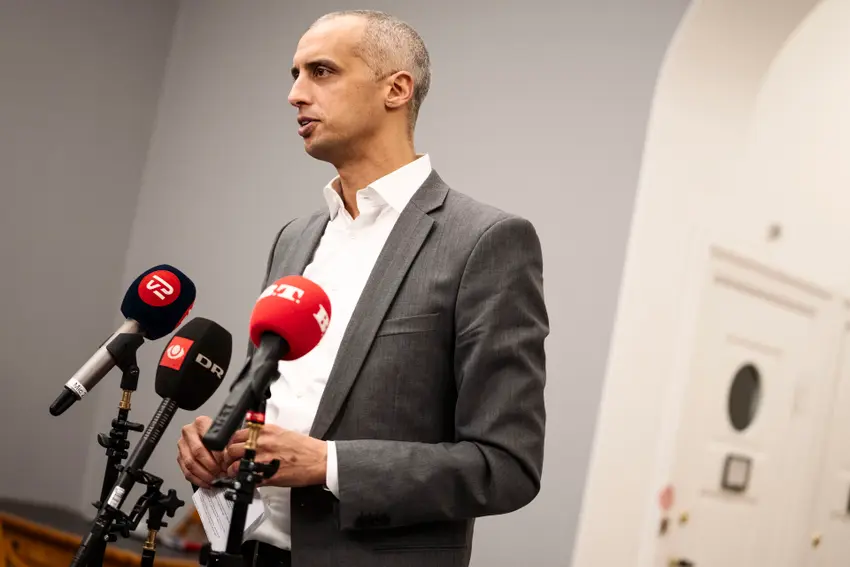
Education Minister Mattias Tesfaye explained that the pilot scheme is aimed at striking a balance between embracing digital learning and maintaining high teaching standards. “With students growing up in both analogue and digital worlds, we need to ready them in the best way possible for the reality they will encounter after their schooling,” he said.
The written portion of the exam, however, will retain a traditional element. Students will be required to complete part of it by hand, marking a shift from previous years where typing on internet-connected computers was the norm. According to Tesfaye, handwritten work helps limit cheating and ensures students develop their own writing style.

Denmark has permitted internet use during exams since 2008, but this new AI policy will only apply to volunteer schools that choose to participate in the trial.
What you should know
Denmark is among the first European countries to test AI use in exams.
The policy will initially apply only to oral English tests, highlighting the country’s cautious yet progressive approach to balancing digital innovation with academic integrity.