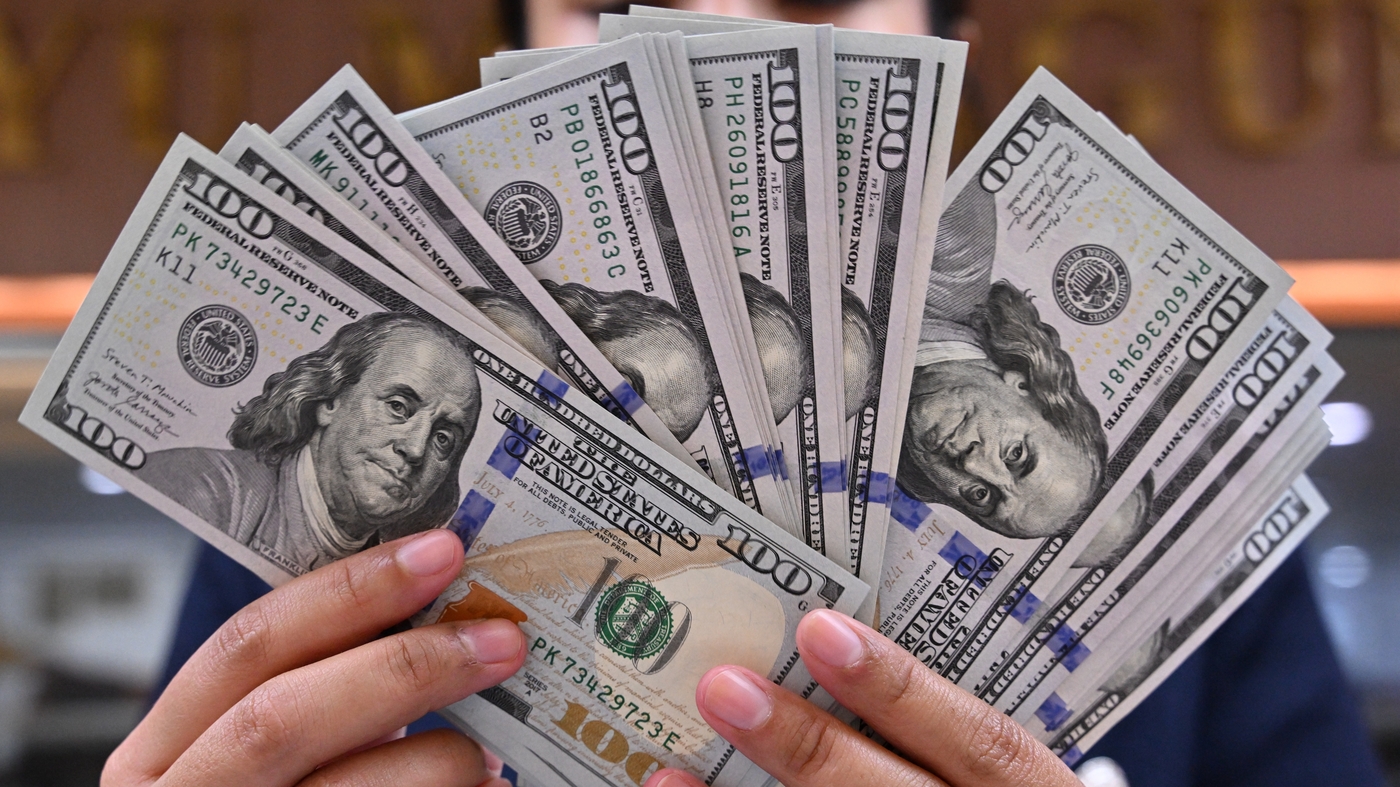
The U.S. dollar experienced a mixed trading session Friday, posting modest gains against major currencies while remaining on track for its worst weekly performance in recent memory, as President Donald Trump’s latest Federal Reserve appointment intensified speculation about the central bank’s future direction.
The greenback strengthened 0.17% against the euro to $1.1645 and gained 0.2% versus the Swiss franc, reaching 0.8077 francs. However, these modest daily gains masked deeper underlying concerns, with the dollar index down 0.6% for the week—a reflection of growing market unease about the Federal Reserve’s independence.
Political Appointment Raises Independence Concerns
At the heart of market anxiety lies Trump’s nomination of Stephen Miran, currently Chairman of the Council of Economic Advisers, to fill a vacant Federal Reserve governor position. Miran’s appointment, intended as a temporary measure while the White House searches for a permanent candidate, follows the surprise resignation of Governor Adriana Kugler last week.
“In many ways, it reinforces what we already knew, which is that we’re now looking at a much more political Fed and a much less independent Fed,” explained Michael Brown, senior research strategist at Pepperstone. The appointment has strengthened Brown’s longer-term bearish outlook on the dollar, as markets anticipate Miran will advocate for aggressive rate cuts in line with presidential preferences.
The currency strategist expects Miran to push for substantial rate reductions at September’s Federal Open Market Committee meeting and beyond, driven not by economic fundamentals but by political pressure from the White House.
Diverging Views on Fed Independence
While some analysts view the appointment as a concerning precedent, others remain more sanguine about the central bank’s ability to maintain its institutional integrity. “We still maintain that central bank independence is going to be very much intact,” said Raisah Rasid, global market strategist at J.P. Morgan Asset Management in Singapore, emphasizing that policy decisions will continue to be data-driven.
This philosophical divide reflects broader market uncertainty about how Trump’s second presidency will reshape monetary policy. The president’s previous criticism of Fed Chair Jerome Powell and his threats to remove him before his term expires on May 15 have already cast a shadow over the institution’s credibility.
Key Data Ahead as Rate Cut Expectations Soar
Market focus is now shifting to next week’s consumer price inflation data, with economists forecasting core CPI to tick higher to 0.3% month-on-month in July. This data will be crucial in determining whether Trump’s tariff policies are beginning to generate inflationary pressures, potentially complicating the Fed’s policy calculus.
Despite these uncertainties, traders have priced in a 93% probability of a September rate cut, with at least two reductions expected by year-end. Atlanta Fed President Raphael Bostic struck a more cautious tone Thursday, acknowledging increased labor market risks while emphasizing the need for additional data before committing to rate cuts ahead of the September 16-17 policy meeting.
Broader Dollar Weakness Persists
The dollar’s struggles extend beyond this week’s political developments. The currency has declined 9.4% against major peers this year as investors have sought alternatives, concerned about the unpredictability of Trump’s trade policies and their potential economic ramifications.
Currency analysts expect continued dollar weakness, though they anticipate a more measured decline ahead. “We’re looking for a bending but not breaking sort of scenario,” Rasid noted, suggesting the dollar’s retreat will be significant but not catastrophic.
Sterling Shines Amid BoE Surprise
While the dollar faltered, sterling emerged as a standout performer, touching a two-week high of $1.34515 and heading for its strongest weekly showing since late June. The pound’s surge followed Thursday’s surprise from the Bank of England, which delivered a 25-basis-point rate cut but only after a narrow 5-4 vote that revealed deep divisions among policymakers.
Goldman Sachs analysts characterized the split decision as “one of the most hawkish versions of a 25 bp cut that reasonably could have been expected,” highlighting the BoE’s reluctance to embrace aggressive easing.
“The pound is still benefitting from this reassessment of the hawkishness of the BoE over the last couple of weeks,” observed Michael Pfister, FX analyst at Commerzbank, noting how the central bank’s June decision to hold rates steady had been closer than many anticipated.
As currency markets navigate this period of political uncertainty and shifting monetary policy expectations, the interplay between central bank independence, political pressure, and economic fundamentals will likely remain the dominant theme driving exchange rates in the weeks ahead.
WHAT YOU SHOULD KNOW
The U.S. dollar is weakening as President Trump’s appointment of a dovish Federal Reserve governor signals increasing political interference in monetary policy. Markets are betting heavily on September rate cuts (93% probability), but the real concern is the erosion of Fed independence, which could undermine the dollar’s long-term strength.
Political pressure on the Federal Reserve is creating currency instability, with the dollar down 9.4% this year as investors lose confidence in the central bank’s ability to make independent, data-driven decisions.