A heated controversy has erupted over the Nigerian National Petroleum Company (NNPC)’s decision to retain ownership of the Port Harcourt Refining Company, with influential stakeholders demanding privatization amid mounting concerns over the state oil giant’s operational track record.
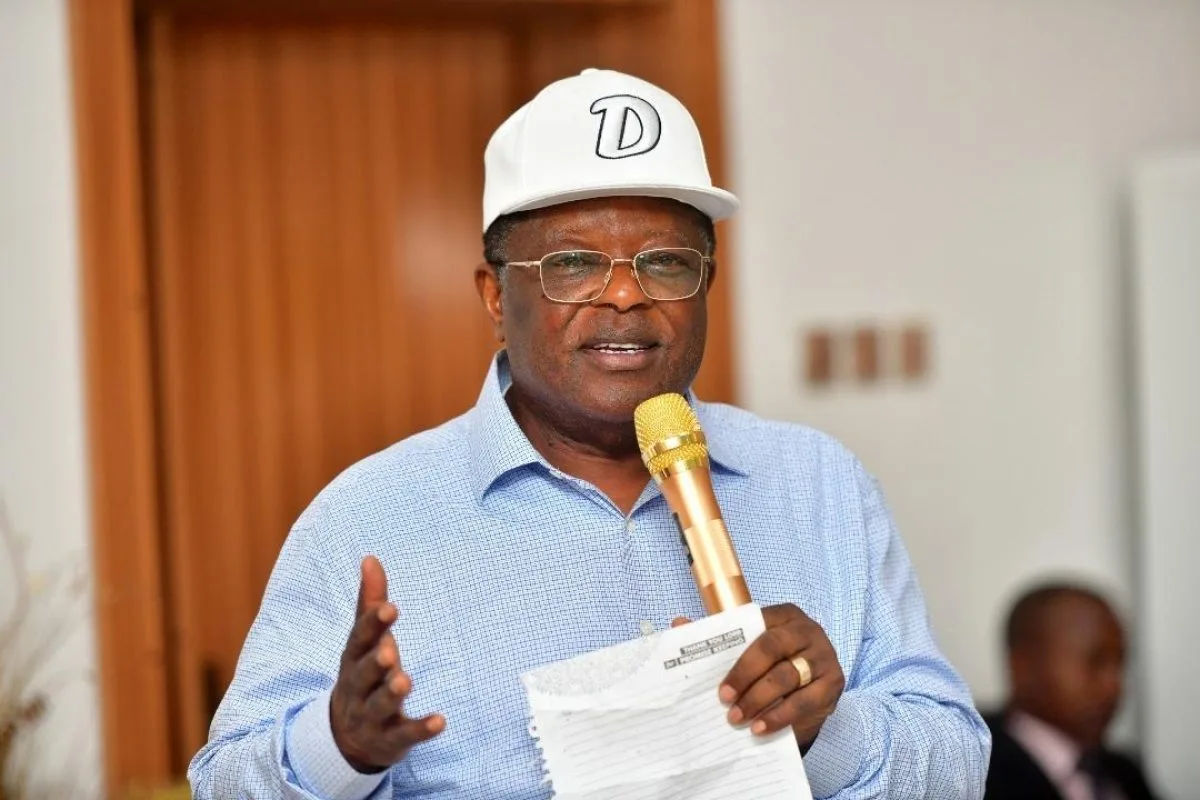
Joseph Obele, National Publicity Secretary of the Petroleum Products and Retail Owners Association of Nigeria and a prominent Port Harcourt community stakeholder, has emerged as a vocal critic of NNPC’s stance. Speaking exclusively to correspondents, Obele expressed strong opposition to Group Chief Executive Officer Bayo Ojulari’s recent declaration that the strategic refinery would not be privatized.
“This isn’t good news,” Obele stated emphatically, highlighting what he describes as a troubling pattern of selective asset management. “Plans to sell the Warri and Kaduna refineries while keeping Port Harcourt under NNPC management are concerning, given NNPC’s history of corruption and favoritism.”
The controversy stems from Ojulari’s announcement at a company-wide town hall meeting at NNPC Towers in Abuja last week, where he officially ruled out the sale of the Port Harcourt facility. The NNPC chief cited ongoing technical and financial reviews of all three major refineries—Port Harcourt, Kaduna, and Warri—as informing the decision.
Ojulari’s position represents an apparent reversal from earlier statements that suggested flexibility on the matter. At the 2025 OPEC Seminar in Vienna, Austria, he had told Bloomberg that “all options are on the table,” fueling widespread speculation about potential privatization.
The timing of this debate is particularly significant given the refinery’s current operational status. The Port Harcourt facility was shuttered on May 24 for what was initially described as one-month maintenance work. However, two months later, the plant remains offline, adding weight to critics’ arguments about NNPC’s operational capabilities.
Obele’s criticism extends beyond immediate operational concerns to broader questions of governance and efficiency. The petroleum industry stakeholder argued that private ownership would deliver tangible benefits, including “increased efficiency and productivity, much-needed investment and capital injection, expertise and technology transfer, and job creation and economic growth for the local community.”
Drawing comparisons to successful private sector operations, Obele pointed to Indorama Petrochemical as an example of how private firms prioritize host community interests. This contrast, he argues, highlights the potential advantages of transferring the refinery from state to private control.
The university lecturer has taken his advocacy to the highest level, calling on President Bola Tinubu to intervene directly in the matter. “We call on President Bola Tinubu to intervene by directing that the Port Harcourt refinery be privatized in the interest of transparency, efficiency, and economic growth,” Obele stated.
His appeal comes with assurances of community support for potential private investors. “The community is ready to receive a private firm taking over the refinery with the highest sense of hospitality and cooperation,” he pledged, promising collaborative relationships to ensure operational success.
NNPC’s justification for retention centers on what Ojulari described as the need for “high-grade rehabilitation” and advanced technical partnerships. The company’s internal review allegedly revealed that earlier decisions to operate the facility before completing full rehabilitation were “ill-informed and sub-commercial.”
According to NNPC’s assessment, selling the asset now “would lead to further value erosion,” making retention the preferred strategic option despite ongoing challenges.
This debate occurs against a backdrop of broader concerns about Nigeria’s refining capacity and energy security. The situation has been further complicated by remarks from Dangote Group President Alhaji Aliko Dangote, who suggested that the country’s refineries may never resume operations despite consuming up to $18 billion in investment.
The Port Harcourt refinery controversy reflects deeper systemic challenges facing Nigeria’s petroleum sector, where questions of efficiency, transparency, and optimal ownership structures continue to generate intense debate among stakeholders, policymakers, and communities whose livelihoods depend on these critical energy infrastructure assets.
As this story develops, the resolution of the Port Harcourt refinery’s future ownership and operational status will likely serve as a bellwether for Nigeria’s broader approach to energy sector reform and privatization policy.
WHAT YOU SHOULD KNOW
Nigeria’s Port Harcourt refinery remains at the center of a heated ownership dispute, with industry stakeholders demanding privatization while the NNPC insists on retaining control. The refinery has been shut down for two months beyond its scheduled maintenance period, fueling concerns about the state oil company’s operational capabilities.
Critics argue that NNPC’s track record of corruption and inefficiency makes privatization essential, while the company claims selling now would erode value. With Nigeria’s refining sector consuming $18 billion with questionable results, this standoff represents a critical test of the country’s commitment to energy sector reform and could determine whether Nigeria can finally achieve reliable domestic fuel production.