Oil markets remained largely unchanged Tuesday morning as traders weighed a complex array of factors that could reshape global energy flows in the coming months, from increased OPEC+ production to escalating trade tensions between Washington and New Delhi.
Brent crude futures traded down 26 cents to $68.50 per barrel by 0800 GMT, while West Texas Intermediate crude fell 7 cents to $66.22. Both benchmarks extended Monday’s losses, when they dropped more than 1% to settle at their weakest levels in a week.
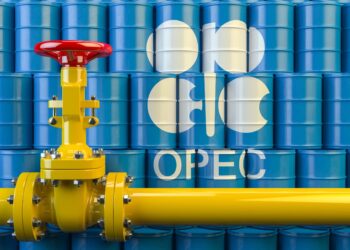
The muted price action comes as markets digest Sunday’s decision by the Organization of the Petroleum Exporting Countries and its allies to boost output by 547,000 barrels per day starting in September. The move, which effectively ends OPEC+’s most recent production cuts ahead of schedule, signals the cartel’s confidence in global demand resilience despite mounting economic headwinds.
However, that supply-side optimism is being tested by renewed trade frictions between the United States and India over New Delhi’s continued purchases of Russian crude. President Donald Trump on Monday reiterated threats to impose higher tariffs on Indian goods, specifically targeting the country’s energy relationship with Moscow. India’s government swiftly rejected the criticism as “unjustified” and pledged to defend its economic interests, further straining bilateral relations.
The diplomatic spat carries significant market implications. India has emerged as Russia’s largest seaborne crude customer since Western sanctions targeted Moscow’s energy sector, importing approximately 1.75 million barrels per day from January through June this year—a 1% increase from the same period in 2024, according to industry data.
Market analysts remain skeptical that Trump’s threats will materially disrupt these energy flows. “Oil’s limited move since then indicates that traders are skeptical a supply disruption will happen,” noted John Evans of oil broker PVM in a Tuesday research note. Evans questioned whether the administration would risk the “inevitable outcome of penalizing Russian energy customers”—higher oil prices that could undermine broader economic objectives.
The supply-demand calculus is further complicated by growing concerns about global economic momentum heading into the second half of 2025. JPMorgan analysts warned Tuesday of elevated U.S. recession risks, while China’s July Politburo meeting suggested Beijing is pivoting away from additional monetary stimulus toward structural economic rebalancing.
These demand-side worries are particularly significant given China’s role as the world’s largest oil importer and second-largest economy. Any sustained slowdown in Chinese growth could offset OPEC+’s production increases and limit crude price recovery prospects.
For now, oil markets appear to be in a wait-and-see mode, with traders monitoring both the implementation of OPEC+’s supply increases and the evolution of U.S.-India trade tensions. The coming weeks will likely prove crucial in determining whether global oil fundamentals tilt toward oversupply or if geopolitical disruptions provide price support.
The current price levels reflect this uncertainty, with both major crude benchmarks trading well below recent highs but maintaining relative stability as market participants assess these competing forces.
WHAT YOU SHOULD KNOW
Oil prices remained stable on Tuesday despite conflicting market forces: OPEC+ is increasing production by 547,000 barrels per day starting in September, while President Trump threatens tariffs on India over its Russian oil purchases.
However, traders appear skeptical that these trade threats will disrupt India’s 1.75 million barrel-per-day imports from Russia, especially given concerns that penalizing Russian energy customers would drive oil prices higher.
With mounting recession risks in the U.S. and China signaling no new stimulus, demand worries may ultimately outweigh supply disruption fears, keeping crude prices range-bound as markets await clearer direction on both geopolitical and economic fronts.