Asian markets closed predominantly lower on Friday as President Donald Trump announced a comprehensive slate of tariffs targeting dozens of trading partners, casting a shadow over global economic sentiment despite robust earnings from major technology companies.
With just hours remaining before his self-imposed deadline, Trump revealed the extensive list of levies he plans to implement against nations still engaged in negotiations to avoid the punitive measures. The announcement provided a brief respite by delaying implementation until next Friday, giving governments additional time to finalize agreements.
The tariff announcement represents the latest chapter in Trump’s aggressive trade strategy, which began with his “Liberation Day” proclamation on April 2. That initial salvo included blanket 10 percent tariffs across all imports, accompanied by targeted “reciprocal” duties designed to mirror what the administration views as unfair trade practices by partner nations.
Regional Impact Varies Widely
The tariff rates announced Friday range dramatically from 10 percent to 41 percent, with Canada bearing the heaviest burden at 35 percent. Trump specifically cited Ottawa’s inadequate response to cross-border drug trafficking and its recent decision to recognize Palestinian statehood as justification for the severe penalty.
Taiwan faces a 20 percent “temporary” tariff, though President Lai Ching-te expressed optimism that rates could be reduced through successful negotiations. Cambodia, meanwhile, welcomed its 19 percent rate as a significant improvement from the initially threatened 36 percent levy.
Several major economies have successfully negotiated exemptions from the tariff regime. Japan, the European Union, Britain, and, most recently, South Korea have all reached agreements with the White House. China continues intensive negotiations with Washington to extend a fragile truce that has been in place since May.
Market Response Reflects Cautious Pessimism
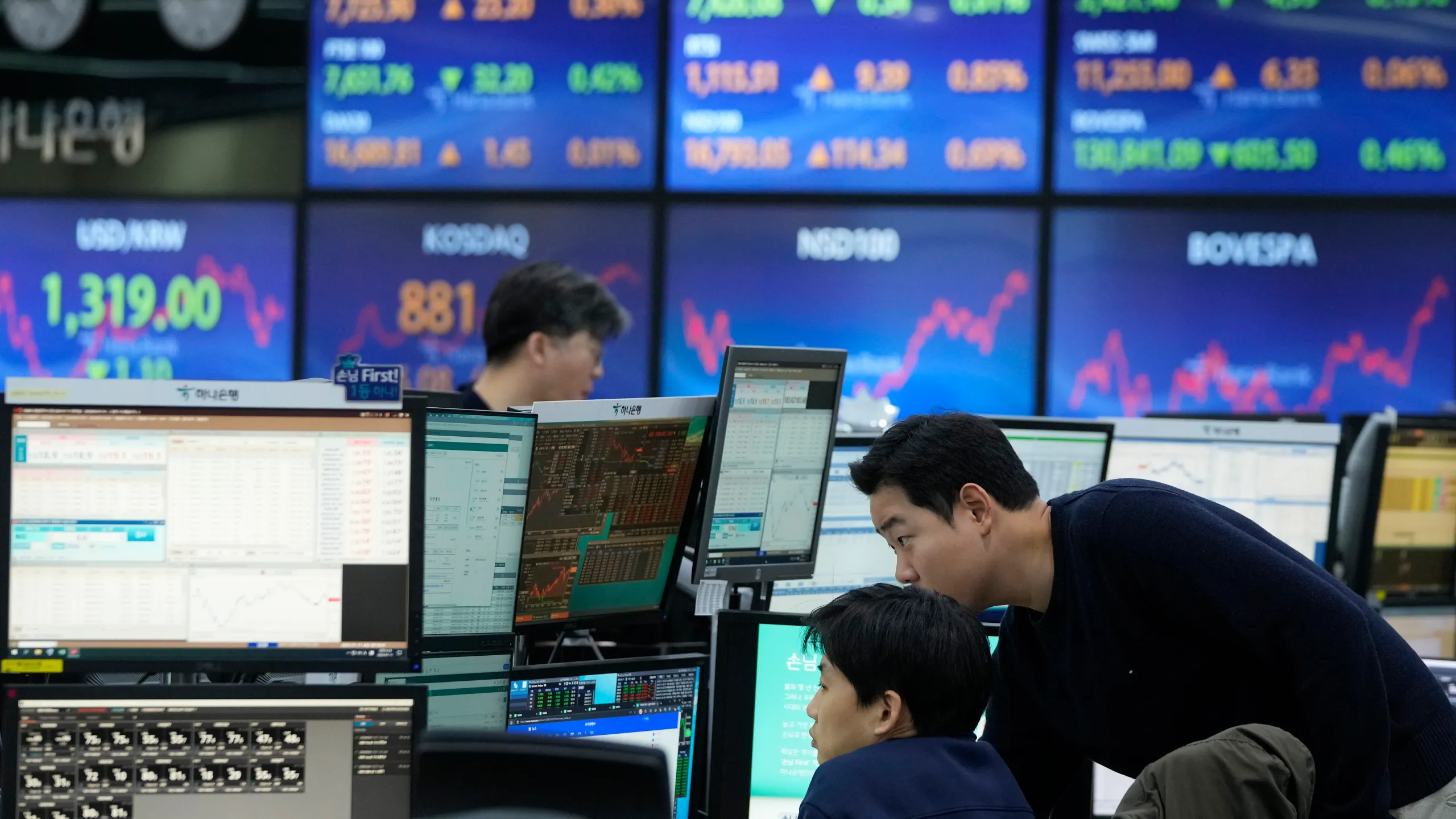
The tariff uncertainty sent ripples through Asian equity markets, with major indices posting broad declines. Tokyo’s Nikkei 225 fell 0.4 percent, while Hong Kong’s Hang Seng and Shanghai’s Composite Index both closed flat after earlier losses. Seoul experienced the steepest decline, dropping more than three percent amid domestic concerns about potential corporate tax increases designed to boost government revenue.
Not all regional markets succumbed to the negative sentiment. Singapore, Manila, and Jakarta managed to post gains, suggesting investors in Southeast Asia may view their relatively moderate tariff rates as manageable.
“Overall, the tariffs are relatively expected for Asia,” noted Lorraine Tan, Morningstar’s director of equity research in the region. “The fact that the larger export countries, such as Korea and Japan, are at 15 percent and the Southeast Asian countries are at 19 percent is a fairly reasonable outcome, especially after the initial April 2 shock.”
Fed Policy Concerns Add to Market Pressure
The tariff-induced selloff was compounded by fresh concerns about Federal Reserve monetary policy. Recent inflation data showed the central bank’s preferred gauge rising more than expected last month, dampening investor hopes for a September interest rate cut.
The disappointing inflation figures followed the Fed’s cautious stance earlier in the week, despite mounting pressure from Trump for lower borrowing costs. “US interest rate traders have lowered the implied probability for a cut from the Fed in September,” observed Chris Weston of Pepperstone, suggesting the central bank is likely to maintain its current policy stance.
Tech Earnings Provide Bright Spot
Despite the trade uncertainty, major technology companies continued to deliver impressive financial results. Apple reported double-digit quarterly revenue growth that exceeded analyst expectations, while Amazon saw quarterly profits surge 35 percent, driven by strategic investments in artificial intelligence technology.
Google, Microsoft, and Meta also posted strong results for the period, with industry analysts highlighting the validation of AI-related investments. “Massive results seen by Microsoft and Meta further validate the use cases and unprecedented spending trajectory for the AI Revolution,” said Wedbush tech analyst Dan Ives.
However, even these stellar earnings failed to offset broader market concerns about the global economic impact of escalating trade tensions.
Currency Markets Reflect Regional Stress
The tariff announcement sent shockwaves through currency markets, with the Taiwan dollar spiking above 30 to the US dollar for the first time since June. The Japanese yen remained under pressure as the Bank of Japan continues to hold off on interest rate increases while Fed expectations moderate.
As global markets prepare for another week of trade uncertainty, investors and policymakers alike are watching closely to see which nations can successfully negotiate last-minute agreements to avoid the pending tariff implementation. With the new Friday deadline looming, the coming days will likely prove crucial in determining the scope and ultimate impact of Trump’s latest trade offensive.
WHAT YOU SHOULD KNOW
President Trump announced sweeping tariffs of 10-41% on dozens of countries, with implementation delayed until next Friday. Asian markets fell broadly in response, with Canada hit hardest at 35%, while some nations like Japan and South Korea secured exemptions through negotiations.
Global trade tensions are escalating again, creating market uncertainty that’s overshadowing even strong tech earnings. The next week will be critical as remaining countries scramble to cut deals before the tariffs take effect.
Expect continued market volatility and potential economic disruption as the world braces for another round of trade wars, with consumers likely facing higher prices on imported goods if these tariffs proceed as planned.