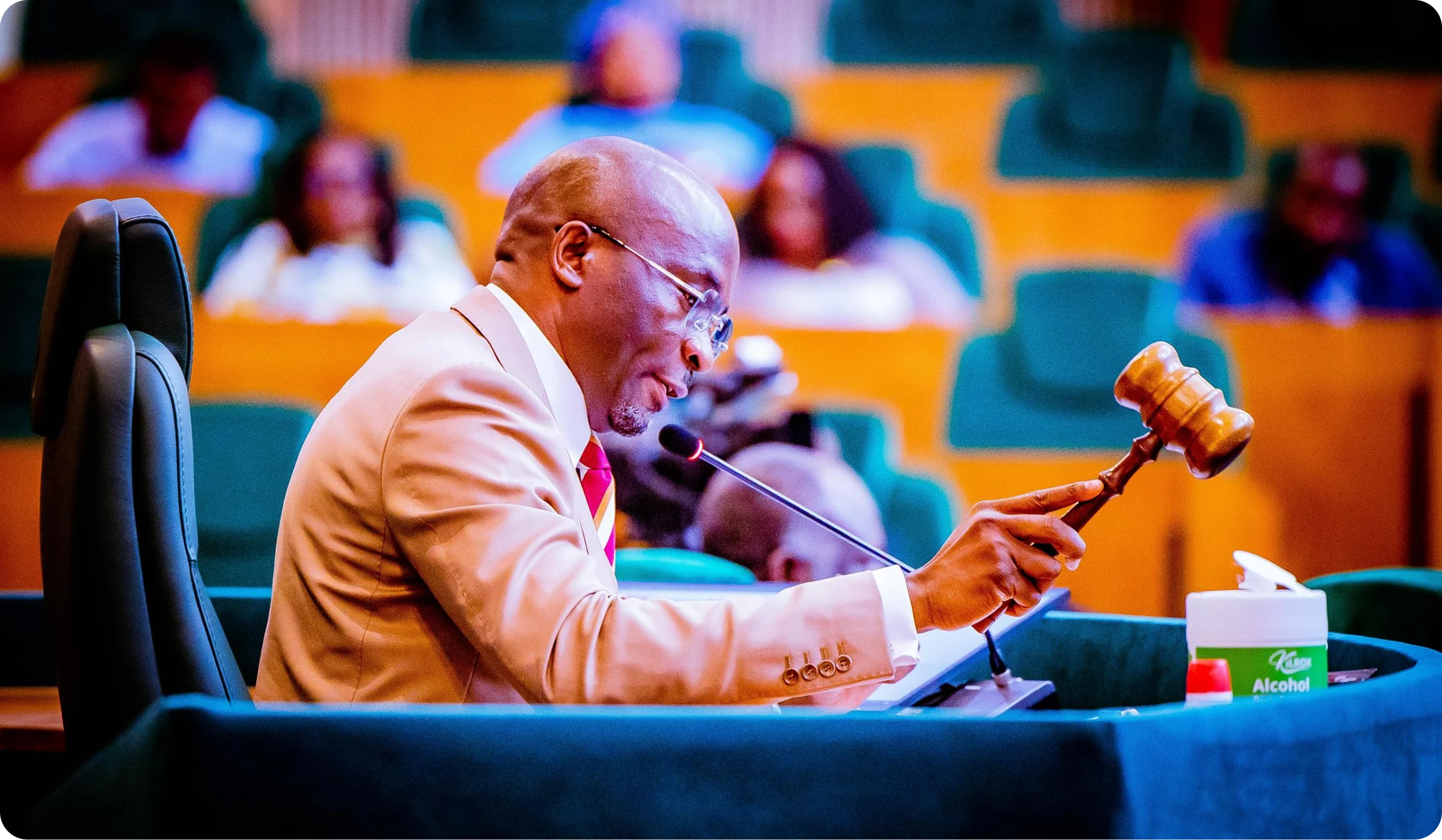
Deputy Speaker of the House of Representatives, Benjamin Kalu, has officially withdrawn the controversial Indigeneship Bill from the National Assembly, citing the need for broader consultations and legislative engagement with stakeholders across the country.
In a statement released Tuesday by his Chief Press Secretary, Levinus Nwabughiogu, Kalu said the decision was based on “constructive feedback received from various stakeholders,” as well as a critical review conducted by the National Institute for Legislative and Democratic Studies (NILDS).
The NILDS analysis noted that while the Bill aimed at promoting national unity and equity, its enactment could result in long-term challenges, including complications arising from double or multiple indigenship statuses. “Though the Bill seeks to achieve some commendable objectives, however, this can be achieved through enactment of law. If this Bill is passed, it would pose challenges with time, especially on the issue of double or multiple indigenship,” the NILDS stated.
Originally, the Bill sought to provide Nigerians living outside their states of origin with similar rights and privileges as those enjoyed by indigenes. However, it sparked a wave of criticism and divergent opinions from various segments of society, prompting calls for its review.
The NILDS advised that state governments are better positioned to enact legislation granting settlers equal rights and benefits, as guaranteed by the constitution. “States should make laws that would allow settlers to benefit [from] the same rights and privileges enjoyed by indigenes without any form of discrimination,” the institute recommended.
Kalu, who also chairs the House Committee on Constitution Review, emphasized that any legislative process must reflect the desires of the people. “As leaders and representatives, we remain committed to ensuring that every legislative proposal reflects the aspirations of the people we serve,” he stated.
Reaffirming his dedication to transparency, Kalu urged citizens to remain actively engaged in the constitutional review process. “The Constitution Review process remains an open, inclusive, and participatory exercise, and no provision or proposal will be pursued without adequate dialogue and consensus-building,” he added.
He encouraged continued public involvement, emphasizing that the journey toward a united and equitable Nigeria must be built on collaboration and open dialogue.
What You Should Know
Benjamin Kalu’s withdrawal of the Indigeneship Bill highlights the delicate balance between fostering national unity and respecting constitutional boundaries.
While the Bill aimed to offer equal rights to Nigerians living outside their state of origin, it faced widespread pushback over concerns like the risk of multiple indigenship claims.
The National Institute for Legislative and Democratic Studies advised that such inclusivity goals could be better achieved at the state level. Kalu’s response underscores a legislative commitment to participatory governance and sets a precedent for public dialogue guiding national policy.
His call for citizen engagement remains central to Nigeria’s constitutional review process.