The Lagos State Government is preparing to implement a comprehensive digital traffic management system that could fundamentally change how commercial vehicles operate along one of Nigeria’s most critical economic arteries.
Starting August 1, 2025, the E-Call Up System will become mandatory for all truck operations along the Lekki-Epe Corridor, marking a significant shift toward digitized transportation management in Africa’s largest economy.
The announcement comes after months of behind-the-scenes preparation that have seen over 10,000 trucks already registered on the platform, with additional vehicles continuing to join the system daily. This substantial uptake suggests considerable buy-in from the logistics sector, despite initial concerns that typically accompany such regulatory changes.
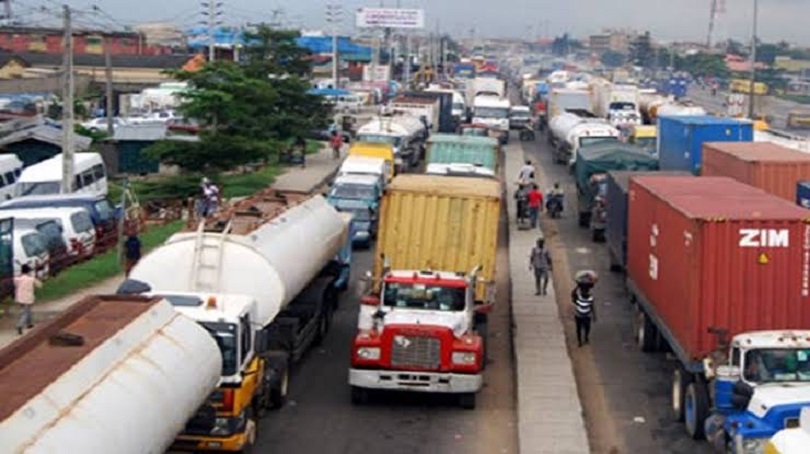
The Lekki-Epe Corridor represents a vital commercial lifeline for Lagos State, connecting the mainland to the rapidly developing Lekki Peninsula, home to major ports, industrial facilities, and residential developments. The corridor has long struggled with traffic congestion, much of it attributed to the heavy presence of commercial trucks serving the area’s economic activities.
State transportation officials have emphasized that this initiative represents more than just regulatory compliance—it’s positioned as a comprehensive solution to multiple challenges that have plagued the corridor for years. The system is designed to address illegal parking practices that have contributed to traffic bottlenecks, while simultaneously improving road safety and preserving infrastructure integrity.
In recognition of stakeholder concerns about implementation costs, the government has reduced park usage fees from ₦12,500 to ₦10,000, a move that demonstrates responsiveness to industry feedback during the consultation phase. This price adjustment, coupled with the establishment of seven fully equipped designated truck parks, indicates substantial infrastructure investment to support the new system.
The implementation strategy includes a hands-on familiarization program developed in partnership with E-Call Up Technologies. This educational component offers free system testing and operational guidance, suggesting authorities are prioritizing smooth adoption over punitive enforcement during the transition period.
Transportation industry observers note that successful implementation could serve as a model for other Nigerian states grappling with similar logistics challenges. The digital platform’s ability to track and manage truck movements represents a significant technological advancement in a sector that has traditionally relied on manual processes.
The economic implications extend beyond simple traffic management. Officials project that improved traffic flow will reduce transportation costs, decrease vehicle wear and tear, and enhance the overall efficiency of goods movement—factors that could positively impact consumer prices and business operations across the region.
However, the success of this initiative will largely depend on enforcement consistency and system reliability. Previous attempts at transportation reforms in Nigeria have sometimes struggled with implementation challenges, making stakeholder cooperation crucial for long-term success.
The Lagos State Government’s call for collaborative engagement with all stakeholders reflects an understanding that sustainable change requires industry partnership rather than top-down imposition. As one of Nigeria’s most economically significant states, Lagos often serves as a testing ground for policies that may eventually be adopted more widely across the country.
The August 1 implementation date provides a clear timeline for remaining unregistered operators to comply, while the ongoing registration process suggests authorities are balancing enforcement with accessibility. The initiative represents another step in Lagos State’s broader vision of creating a more technologically integrated and efficient transportation ecosystem.
WHAT YOU SHOULD KNOW
Lagos State launches a mandatory digital truck management system on August 1, 2025, along the critical Lekki-Epe Corridor. Over 10,000 trucks are already registered, park fees have been reduced to ₦10,000, and seven designated truck parks are operational.
This E-Call Up System aims to eliminate traffic congestion and illegal parking and improve road safety while streamlining commercial vehicle operations. The success of this digital initiative could serve as a model for transportation reform across Nigeria, making stakeholder compliance and system reliability crucial for transforming one of the country’s most important economic corridors.