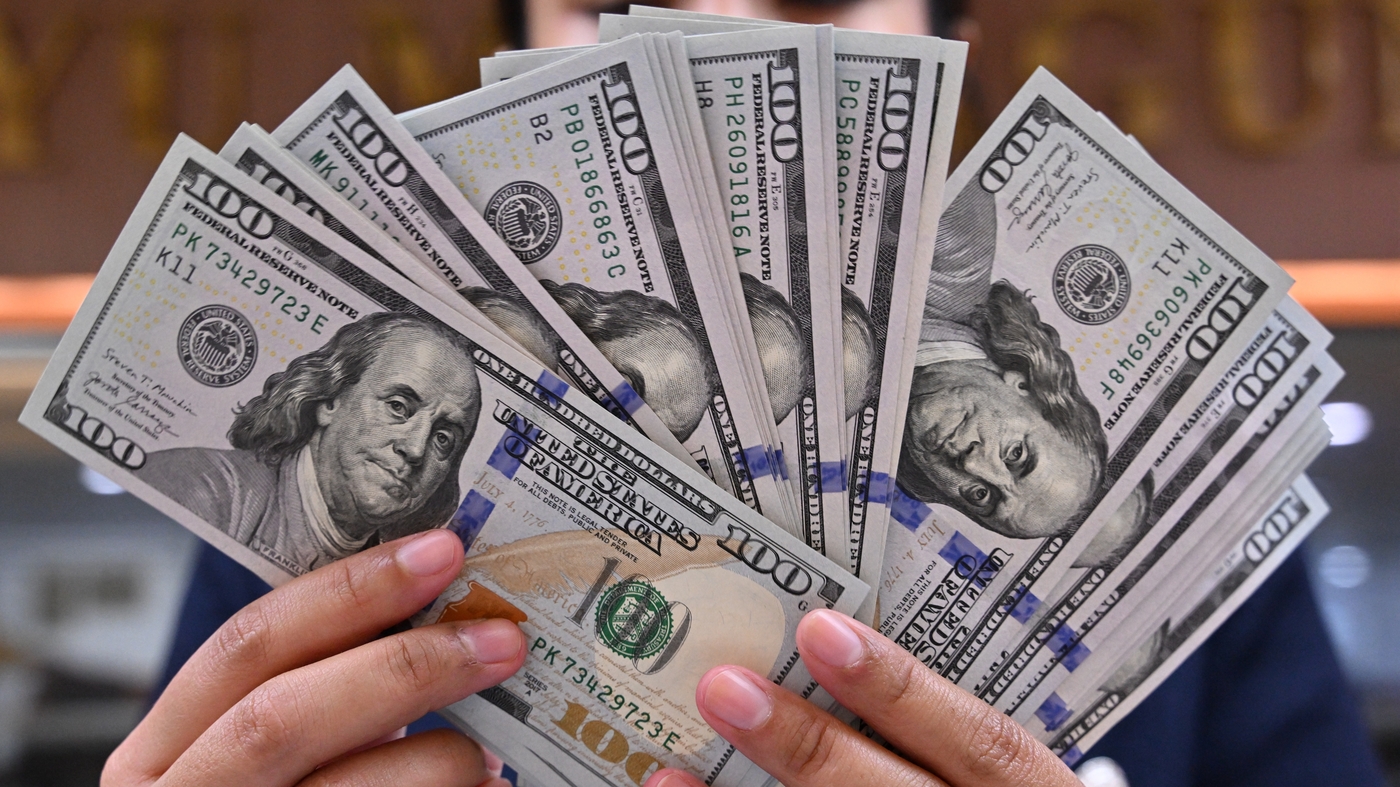
The U.S. dollar edged higher on Tuesday in what analysts described as a holding pattern, as global financial markets entered the final stretch before an August 1 deadline that threatens to unleash sweeping tariffs on America’s trading partners who fail to secure new agreements with the Trump administration.
With just over a week remaining before the cutoff, currency markets displayed the kind of subdued trading that often precedes major policy announcements. The dollar index rose a modest 0.1% to 97.91, recovering from Monday’s 0.6% decline, while major currencies traded within narrow ranges despite Wall Street stocks continuing their march to record highs.
Japanese Politics Adds Complexity
The Japanese yen emerged as a focal point Tuesday, trading slightly weaker at 147.64 per dollar after gaining 1% the previous session. Weekend upper house elections in Japan delivered results that, while disappointing for the ruling coalition, were largely in line with market expectations and allowed Prime Minister Shigeru Ishiba to maintain his grip on power.
However, currency strategists warned that Japan’s political uncertainty could complicate efforts to negotiate a timely trade deal with Washington. “The pickup in political uncertainty in Japan could complicate reaching a timely trade deal with the U.S., posing downside risks for Japan’s economy and the yen,” said Lee Hardman, senior currency analyst at MUFG.
Treasury Secretary Signals Flexibility
U.S. Treasury Secretary Scott Bessent offered a measured tone Monday, emphasizing that the administration prioritizes the quality of trade agreements over strict adherence to timing. When pressed about potential deadline extensions for nations engaged in productive negotiations, Bessent deferred to President Trump’s ultimate authority on such decisions.
“Nothing that happens on August 1 is necessarily permanent, so long as the U.S. administration remains willing to talk,” observed Thierry Wizman, global foreign exchange and rates strategist at Macquarie Group, referencing recent diplomatic correspondence from the White House that suggested continued openness to dialogue.
European Union Faces Steep Tariffs
The European Union finds itself in a particularly precarious position, potentially facing 30% tariffs if no agreement materializes by the deadline. EU diplomats acknowledged Monday that prospects for a deal appear increasingly dim, prompting exploration of broader countermeasures that could escalate trade tensions.
The euro slipped marginally to $1.1692 against the dollar as markets weighed the implications of potential retaliation. Francesco Pesole, an ING strategist, warned of possible “tit-for-tat tariff escalation,” noting the Trump administration’s documented intolerance for retaliatory trade measures.
Fed Independence Concerns Mount
Adding another layer of complexity to the currency outlook are growing concerns about Federal Reserve independence. President Trump has repeatedly criticized Fed Chair Jerome Powell and called for his resignation over the central bank’s cautious approach to interest rate cuts.
Capital Economics’ deputy chief markets economist Jonas Goltermann maintains that robust U.S. economic data and potential tariff-driven inflation will likely keep the Federal Open Market Committee on hold through 2026, potentially driving further dollar strength. However, he acknowledged that such projections remain “at the mercy of the White House’s whims.”
Market Outlook Remains Uncertain
The subdued trading environment reflects the extraordinary uncertainty surrounding global trade relationships as the August 1 deadline approaches. While some analysts suggest the date may prove more fluid than initially anticipated, the prospect of significant tariff implementation continues to cast a shadow over international markets.
European Central Bank officials are also scheduled to meet this week, though no interest rate changes are anticipated. Despite the tariff uncertainty, the ECB reported Tuesday that eurozone corporate loan demand improved last quarter and is expected to strengthen further in the current period.
As negotiations continue behind closed doors, currency markets appear poised for potential volatility once the trajectory of these critical trade talks becomes clearer in the coming days.
WHAT YOU SHOULD KNOW
Global currency markets are in a tense holding pattern as an August 1 deadline approaches that could trigger steep U.S. tariffs on trading partners without new deals. The dollar is slightly up, but trading remains muted as investors await clarity on whether ongoing negotiations with Japan, the EU, and other nations will prevent a potential trade war escalation.
Treasury Secretary Bessent suggests flexibility on timing, but the ultimate decision rests with President Trump, leaving markets uncertain about the scope of tariff implementation and potential retaliatory measures that could reshape international commerce within days.