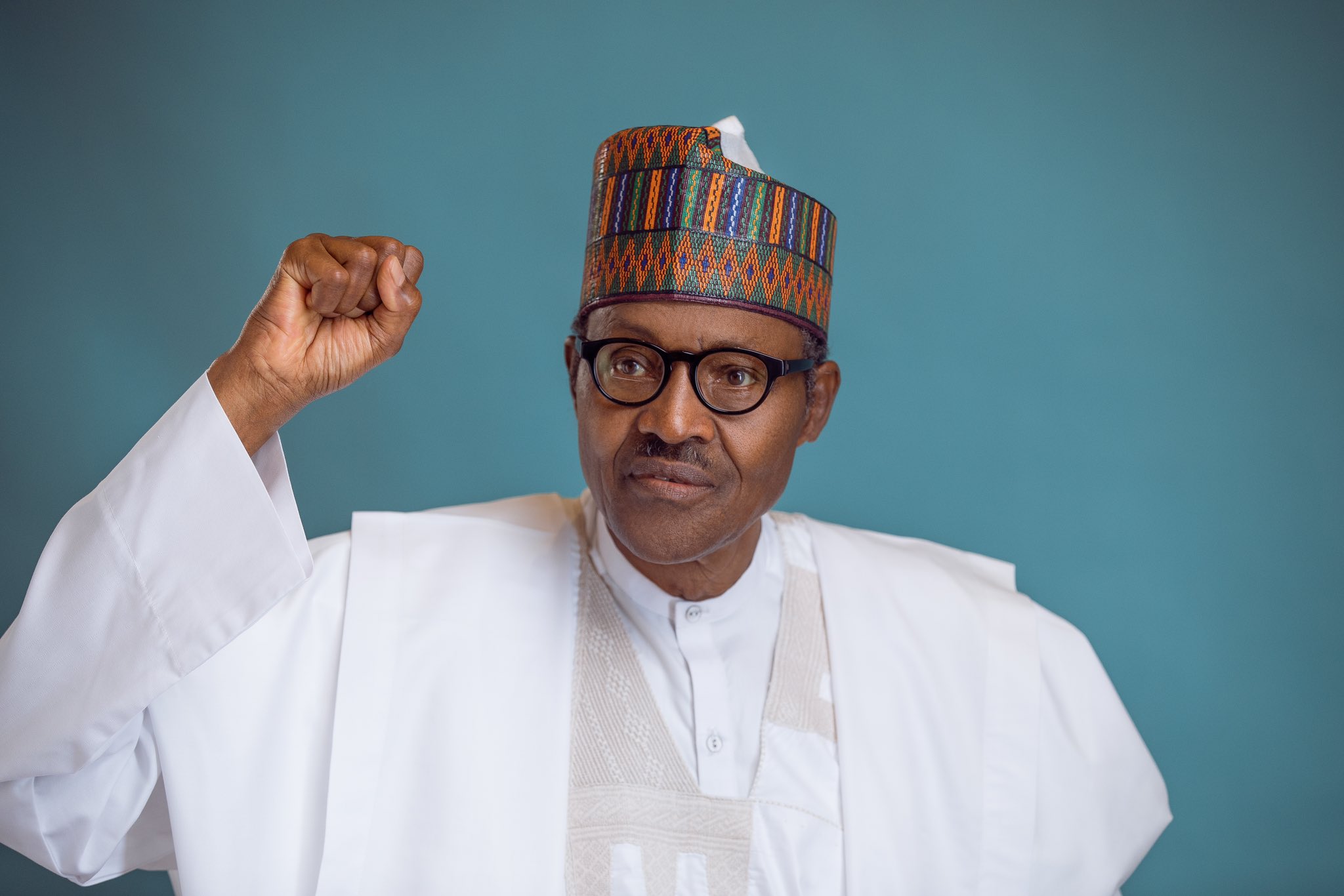
Former President Muhammadu Buhari was laid to rest on Tuesday evening at his private residence in Daura, Katsina State, in a solemn ceremony conducted according to Islamic traditions.
The burial marked the final chapter in the life of a man whose presence loomed large in Nigeria’s political history for decades. Attended by world leaders, top government officials, and close family members, the funeral drew mourners from within and beyond the country.
The burial took place at approximately 5:50 p.m., shortly after his body arrived in Daura at 4:33 p.m. in a military ambulance. The casket was transported under tight security from Katsina after arriving earlier in the day aboard a Nigerian Air Force jet from London, where Buhari died on Sunday, July 13, 2025, at the age of 82 following a brief illness.
Leading the high-profile delegation was President Bola Tinubu, who had personally received Buhari’s remains upon arrival in Nigeria. He was accompanied by Vice President Kashim Shettima, Katsina State Governor Dikko Radda, National Security Adviser Nuhu Ribadu, and industrialist Aliko Dangote. Former Vice President Yemi Osinbajo, along with ministers, diplomats, and military officers, also joined in the final rites.
Also present at the funeral were notable African leaders including President Umaro Sissoco Embaló of Guinea-Bissau and Niger Republic’s Prime Minister Ali Lamine Zeine, signifying the regional impact of Buhari’s leadership. The gathering reflected the scale of influence the late former president wielded, both in West Africa and on the global stage.
The former president’s casket, draped in the national colors, was received with full military honors. A joint military team performed the ceremonial rites before his body was moved into the compound where the burial was to take place. Religious leaders, family members, and hundreds of residents from Daura witnessed the proceedings, many moved to tears as the man they called “Baba” was lowered into the earth.
Buhari’s passing has led to an outpouring of tributes. His life was characterized by public service, discipline, and an enduring commitment to integrity, as echoed in statements from international leaders, political allies, and critics alike.
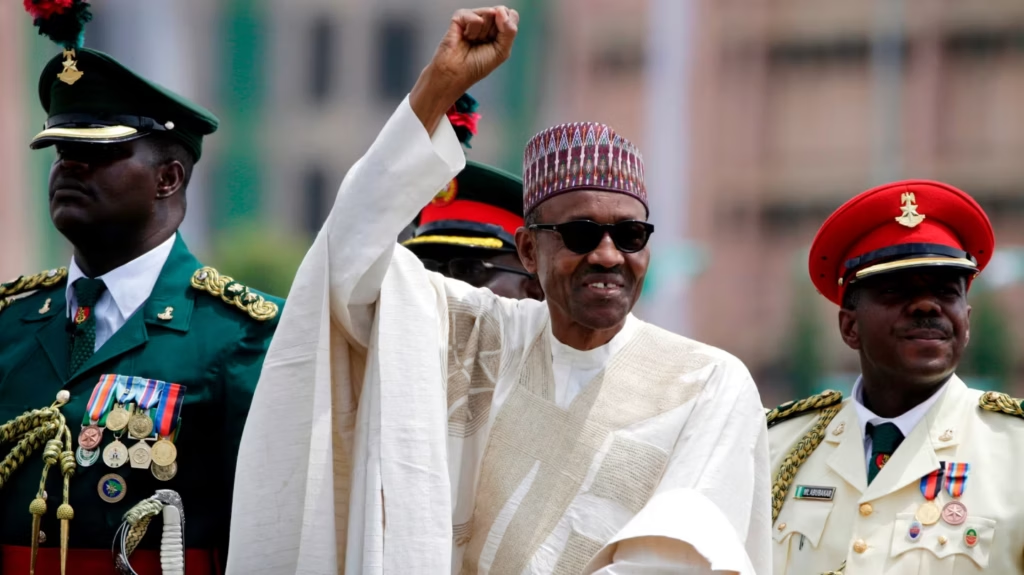
Born on December 17, 1942, to Adamu and Zulaiha Buhari in Daura, Muhammadu Buhari came from the Fulani ethnic group and was a devout Muslim. He began his military career in the Nigerian Army, where he rose through the ranks to become Major General. In 1983, he took power in a coup, becoming Nigeria’s military Head of State. His rule, though short-lived, was known for its tough stance on corruption and discipline, until his ouster in 1985.
In 1994, during the regime of General Sani Abacha, Buhari was appointed Executive Chairman of the Petroleum Trust Fund (PTF), overseeing key infrastructure projects funded by oil revenues. That role reignited his image as a no-nonsense public servant focused on national development.
After years in political wilderness, Buhari contested for the presidency three times without success. But in 2015, under the newly formed All Progressives Congress (APC), he defeated incumbent President Goodluck Jonathan, becoming the first opposition candidate in Nigeria’s history to unseat a sitting president through the ballot. He was re-elected in 2019 and completed his second term in 2023.
Throughout his political and personal life, Buhari was known for his frugal lifestyle and strict moral code. He remained married to Aisha Buhari, with whom he had several children. Despite wielding enormous power, he was regarded by many as a man who preferred simplicity and self-restraint.
As his body was committed to the earth on Tuesday evening, Nigeria closed a significant chapter in its post-independence narrative. The burial, though intimate, resonated across the nation and the continent, a farewell to a man whose name became synonymous with military discipline, political resilience, and national service.
What you should know
Former President Muhammadu Buhari, a two-time leader of Nigeria—first as a military ruler, then as a democratically elected president—was buried in his Daura residence with full Islamic rites.
He died at 82 in London and was honored with a state funeral attended by African leaders and Nigerian dignitaries. Buhari’s legacy is anchored in discipline, anti-corruption advocacy, and a life of public service that spanned over five decades.