European equities posted modest gains on Tuesday as investors found renewed confidence following President Donald Trump’s latest diplomatic overture on trade tensions with the European Union, even as the threat of punitive tariffs continues to loom over the continent’s economy.
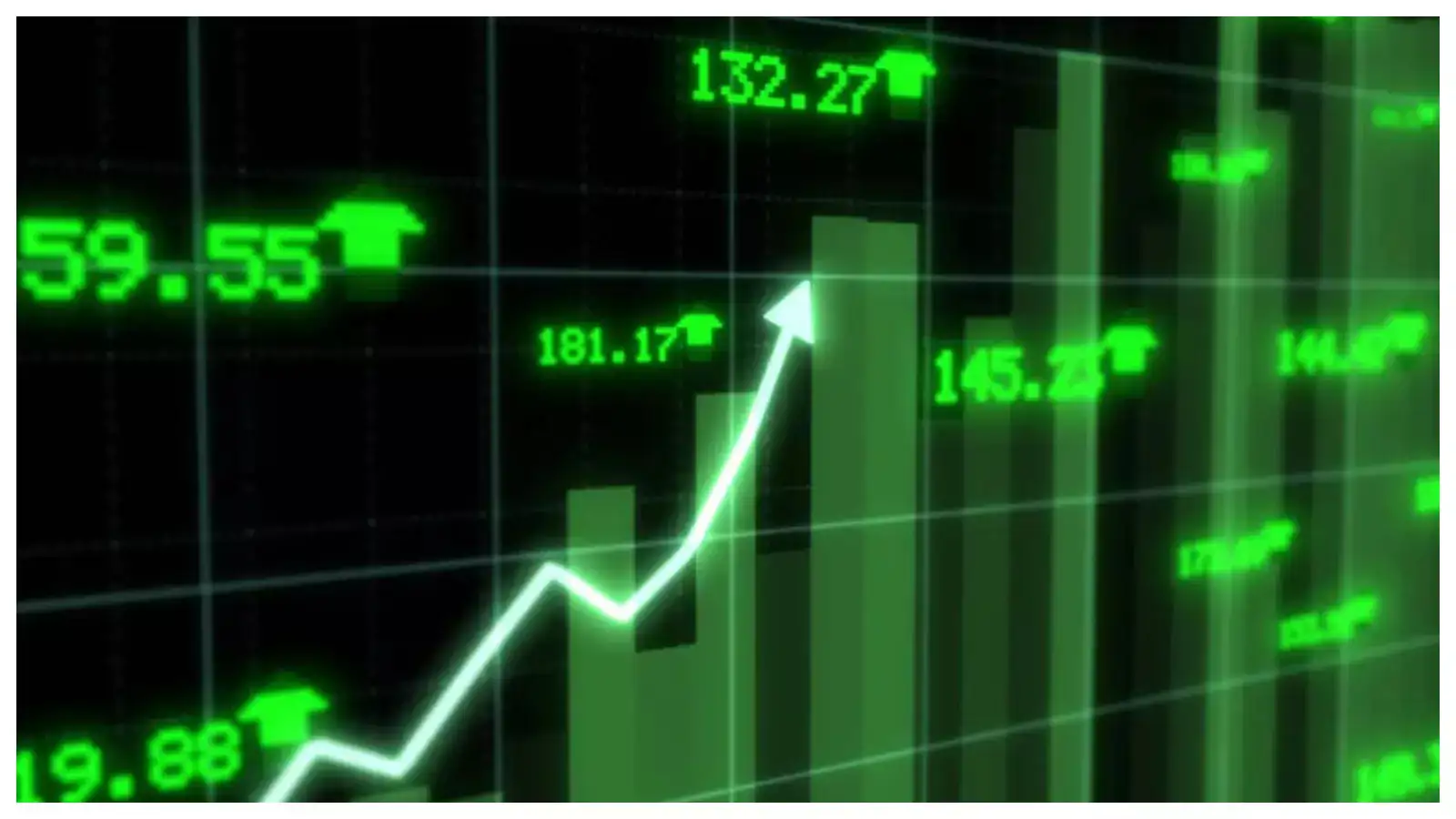
The pan-European STOXX 600 index climbed 0.3% to 548.73 points by mid-morning trading, marking a cautious return to optimism after days of market volatility. This recovery came after Trump announced he’s levying tariffs of 30% against the European Union and Mexico starting August 1, though the president subsequently indicated openness to trade negotiations.
Sectoral Performance Reflects Mixed Sentiment
The gains were uneven across European bourses, with Germany’s DAX leading the advance with a 0.4% increase, while France’s CAC 40 rose 0.3%. Spain’s IBEX bucked the trend with a 0.2% decline, and Britain’s FTSE 100 remained flat, reflecting the varied impact of trade uncertainties across different economies.
Sector rotation told a story of cautious optimism, with media stocks surging 1.2% and both automotive and technology shares gaining over 1% each. The strong performance in these export-sensitive sectors suggests investors are betting on a negotiated solution rather than a protracted trade war. Conversely, defensive telecom shares fell 1%, as capital rotated toward more cyclical plays.
Corporate Earnings Take Center Stage
With trade negotiations moving to the diplomatic realm, market attention is increasingly shifting to corporate earnings as investors seek concrete data on how trade tensions are affecting business fundamentals. The upcoming earnings report from ASML, the world’s largest supplier of semiconductor manufacturing equipment, due Wednesday, will be particularly scrutinized for insights into the technology sector’s resilience.
Trump imposed tariffs in April on dozens of countries before pausing them for 90 days to negotiate individual deals, creating an environment of uncertainty that has made earnings guidance and forward-looking statements from European companies particularly crucial for market direction.
Individual Stock Stories
Several companies provided bright spots in the earnings landscape. Accelleron, the engine components manufacturer, soared 13.1% to a record high after raising its 2025 revenue forecast. Danish offshore wind developer Orsted climbed 8.2% following a Morgan Stanley upgrade, while Swedish outdoor equipment maker Thule gained 4.8% on better-than-expected quarterly earnings.
However, the retail and housing sectors faced headwinds. UK discount retailer B&M plummeted 6.9% to a five-year low despite reporting higher domestic revenue, suggesting investor concerns about the sustainability of growth in the challenging retail environment. Britain’s largest homebuilder, Barratt Redrow, fell 7.7% to a three-year low after missing home completion targets.
Economic Data and Looking Ahead
Supporting the modest European recovery, eurozone industrial production data showed a robust 1.7% month-over-month increase in May, providing evidence of underlying economic resilience despite trade uncertainties.
As Richard Flax, chief investment officer at Moneyfarm, noted, investors appear to be “looking past the initial headline comments from the U.S. and waiting to see how negotiations move forward.” This wait-and-see approach reflects a market that has grown accustomed to the theatrical nature of Trump’s trade diplomacy, where initial threats often give way to negotiated compromises.
The focus now shifts to both sides of the Atlantic, with major U.S. bank earnings and crucial consumer price data due later Tuesday, which could influence both Federal Reserve policy expectations and the broader global risk sentiment that has been supporting European equities in recent sessions.
WHAT YOU SHOULD KNOW
European markets rose modestly on Tuesday as investors took comfort in President Trump’s willingness to negotiate on trade despite his threat of 30% tariffs on EU imports starting August 1st. The market’s cautious optimism reflects a “wait-and-see” approach, with traders betting on diplomatic solutions rather than a full-blown trade war.