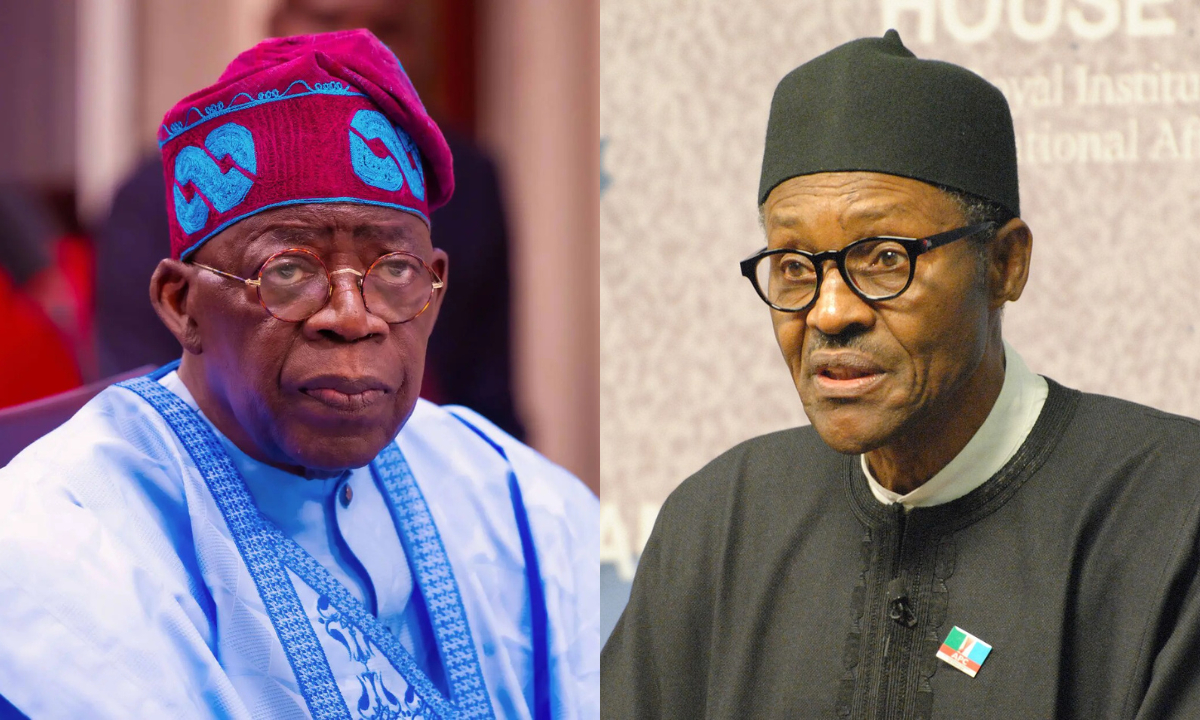
Nigeria has plunged into mourning following the confirmed death of former President Muhammadu Buhari, who passed away in London at approximately 4:30 p.m. on Sunday, July 13, 2025, after a prolonged battle with illness.
President Bola Ahmed Tinubu, in a statement released by his Special Adviser on Information and Strategy, Bayo Onanuga, expressed deep sorrow over the passing of the former leader and announced immediate national tributes in his honour.
In a prompt move, Tinubu directed Vice President Kashim Shettima to travel to the United Kingdom to accompany Buhari’s remains back to Nigeria. He also placed a condolence call to the late President’s widow, Aishat Buhari.
“As a mark of respect,” the statement noted, “the President has ordered all national flags to be flown at half-mast across the country.”
The death of Muhammadu Buhari marks the end of an era defined by his distinct presence in Nigeria’s political landscape—first as a military Head of State between January 1984 and August 1985, and later as a democratically elected President serving two terms from 2015 to 2023.
Buhari, known for his anti-corruption stance and stern leadership style, frequently travelled to the United Kingdom during and after his presidency for medical treatment, a reflection of his long-term health struggles.
What you should know
Muhammadu Buhari served Nigeria both as a military and civilian president. He left a legacy shaped by strong anti-corruption rhetoric, austere governance, and deep influence on Nigeria’s democratic trajectory. His passing signals the end of one of the most defining political eras in modern Nigerian history.