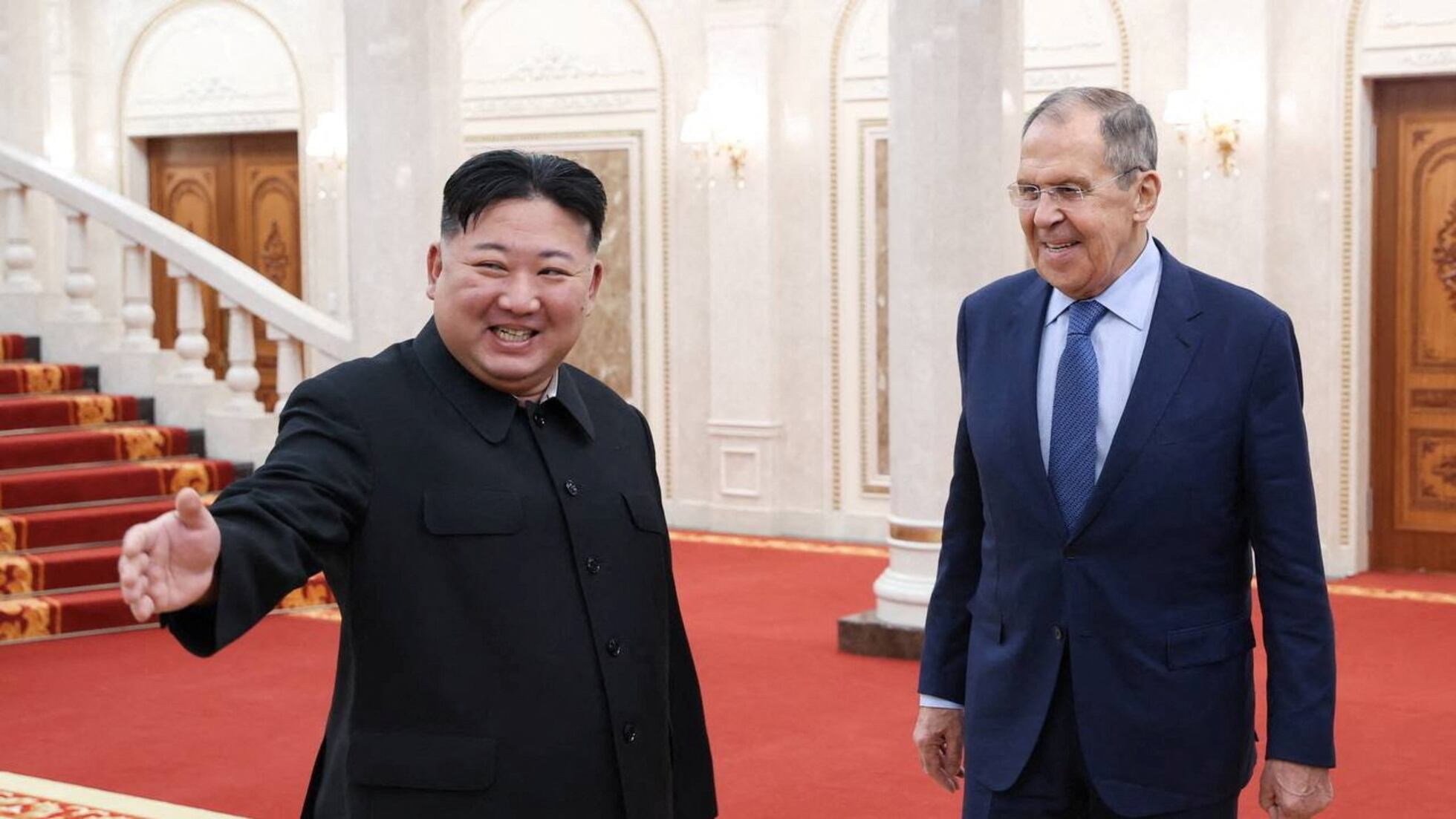
North Korean leader Kim Jong Un has pledged his country’s unwavering support for Russia’s war in Ukraine during a meeting with Russian Foreign Minister Sergei Lavrov, according to North Korean state media on Sunday.
Lavrov’s visit to Wonsan—a coastal city and a signature project of Kim’s—marked another step in the deepening alliance between Pyongyang and Moscow. Held in what the Russian Foreign Ministry described as a “warm comradely atmosphere,” the talks centered on both military cooperation and shared opposition to Western influence.
North Korea, according to Moscow, has deployed thousands of troops to Russia’s Kursk region and provided artillery shells and missiles to support Russian forces. In return, Lavrov expressed “sincere gratitude” to Pyongyang for its role and backing in the ongoing conflict.
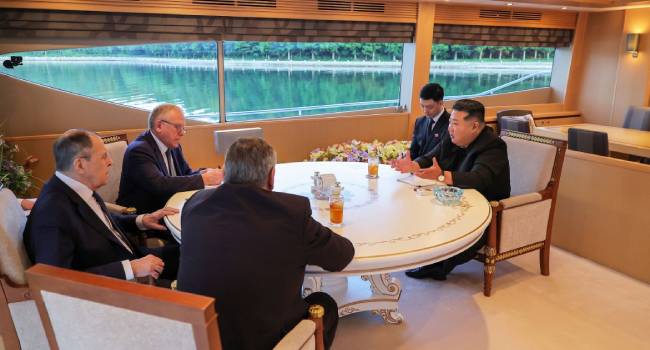
Kim, reaffirming loyalty to Russia, declared his “unconditional” support for all measures taken by the Russian leadership to address what he termed the root causes of the Ukraine crisis. He praised Russian President Vladimir Putin’s “outstanding leadership” and expressed confidence in Russia’s victory, calling the war a “sacred cause.”
The two sides also blamed the West for increasing tensions on the Korean Peninsula and confirmed plans to deepen the “invincible alliance” forged during Putin’s June 2024 visit to Pyongyang. Lavrov conveyed Putin’s wish for further direct engagement with Kim in the near future.
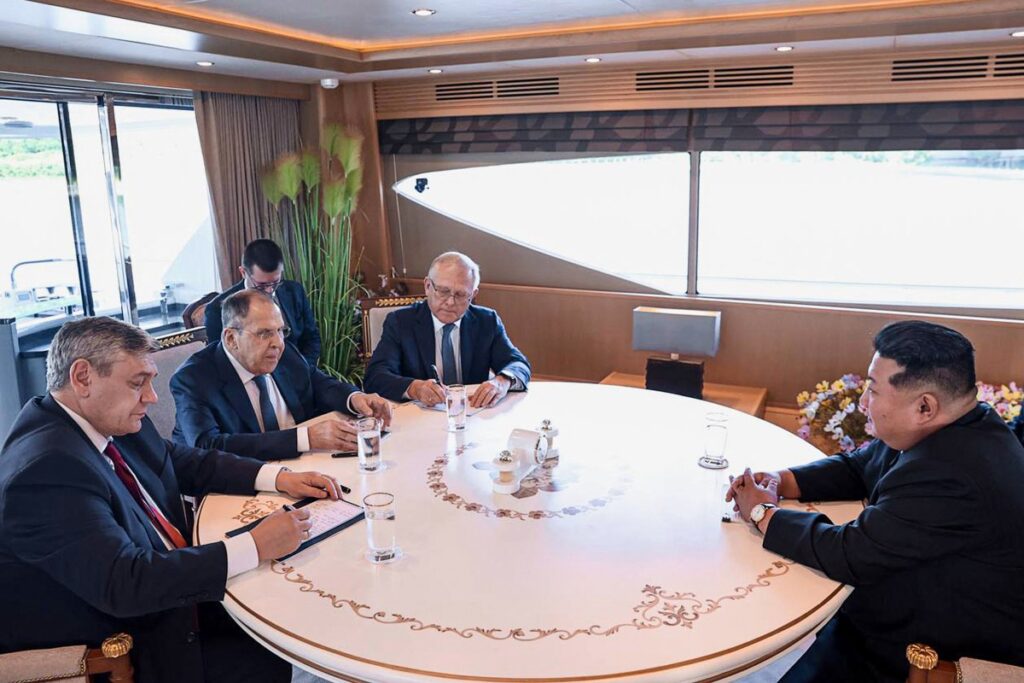
Lavrov has since left North Korea for Beijing to attend the Shanghai Cooperation Organisation’s Foreign Ministers’ Council meeting.
As ties between the two heavily sanctioned nations grow stronger, Russia has announced the start of bi-weekly flights between Moscow and Pyongyang and promoted Wonsan as a future tourist hub for Russian visitors.
Seoul claims that around 600 North Korean soldiers have died in Ukraine, with thousands more wounded—casualties confirmed in part by Pyongyang in April when it acknowledged sending troops to assist Russia.
What you should know
Kim Jong Un has openly declared North Korea’s support for Russia’s war in Ukraine, both militarily and diplomatically, reinforcing a strategic partnership that now includes mutual defense agreements, arms transfers, and coordinated anti-Western rhetoric.