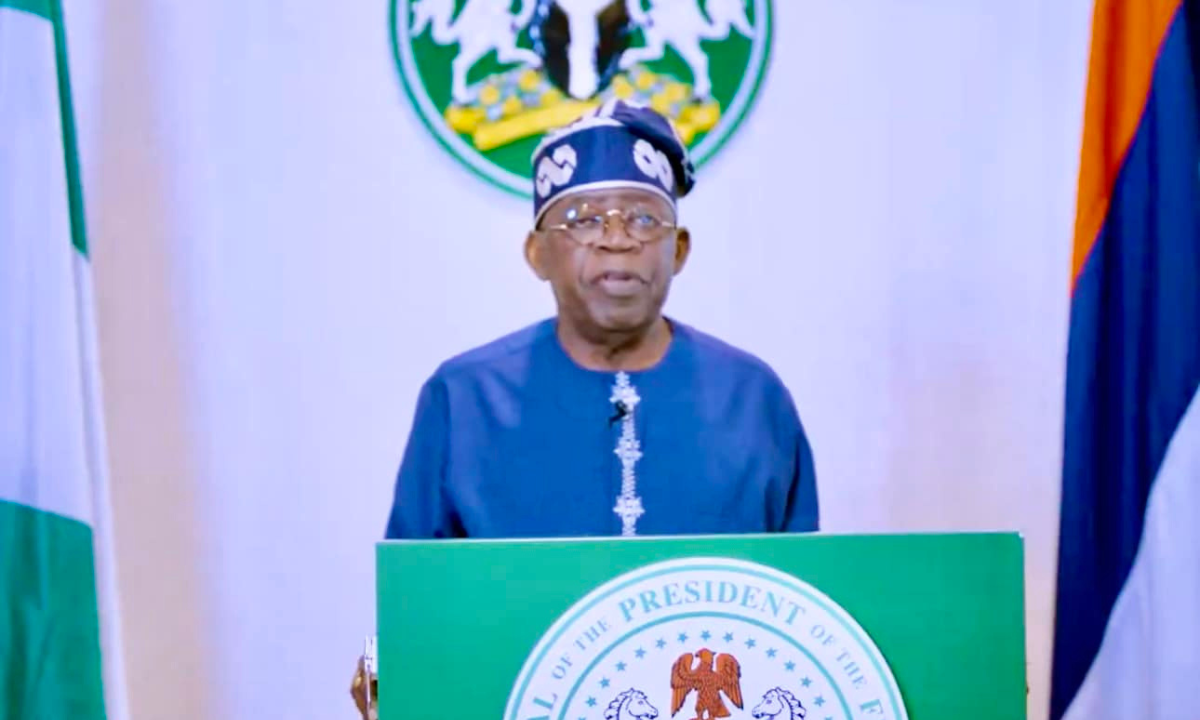
President Bola Tinubu has directed the Nigerian military to intensify its campaign against Boko Haram terrorists, armed bandits, separatist agitators, and other criminal elements undermining national peace and sovereignty.
Speaking through Vice President Kashim Shettima at the grand finale of the 2025 Nigerian Army Day celebration in Kaduna State, Tinubu declared that the moment had come to decisively eliminate these threats.
The President reaffirmed his administration’s commitment to ensuring the welfare of all officers and soldiers, pledging continuous investments in modern military hardware, intelligence capabilities, and human capital development to enhance the overall effectiveness of the armed forces.
In his address, Shettima urged the troops to carry out their duties with the utmost professionalism, honour, courage, and discipline, emphasizing that their actions must always align with the Nigerian Constitution and global military standards.
“The Nigerian Army has never been just a force of arms. It has been a symbol of unity and duty. It brought the Nigerian Civil War to a close. With those immortal words uttered by retired General Yakubu Gowon, right now seated in this venue—‘No victor, no vanquished’—reminding us that we are one people with one destiny,” Shettima stated.
He also highlighted the Nigerian military’s contributions to peacekeeping missions beyond the country’s borders, describing them as principled defenders of peace rather than agents of conquest.
Shettima added, “Today, we honour the enduring sacrifice of these men and women. We honour those who have paid the supreme price. And we honour those who continue to wear the uniform, who stand at the gates of our democracy, shielding us from those who would tear it down.”
The Vice President applauded the Army Day’s chosen theme of “peace,” stating that it signifies a recognition of humanity in the midst of strategy. He emphasized that national security must begin with strong, well-equipped, and well-supported soldiers.
He said, “You cannot build a great army without building strong soldiers. Their welfare, morale, equipment, and sense of purpose are not afterthoughts—they are the foundation of national security.”
He further assured the military of the administration’s full support and acknowledged the dire challenges currently facing Nigeria: terrorism, banditry, insurgency, and separatist agitations. These, he said, are existential threats that affect all Nigerians regardless of tribe or faith.
“These are not mere security threats; they are existential ones,” Shettima said. “They destroy churches and mosques alike. They abduct children without asking why they worship. Therefore, our response must be united, firm, and uncompromising.”
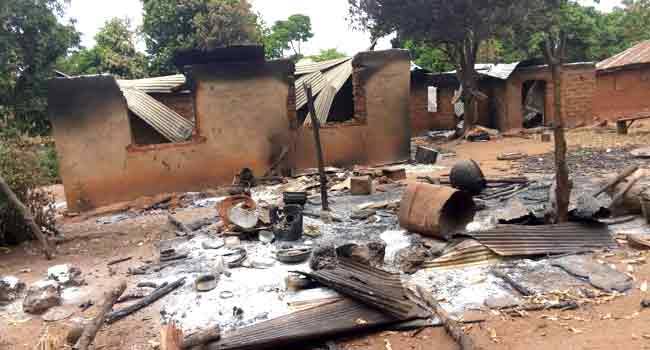
Security Crisis Deepens
Despite Tinubu’s commitments, Nigeria continues to grapple with a complex security crisis. In the North West, criminal gangs identified as bandits have inflicted devastation across vast and loosely governed territories.
While jihadist groups such as Boko Haram operate primarily in the North East with ideological motivations, the bandits in the North West are driven by profit through kidnappings and looting.
The Middle Belt region has also been plagued by violence, often rooted in ethno-religious tensions. According to Amnesty International, Benue State has recorded the highest number of killings since Tinubu assumed office, with at least 6,896 deaths. Plateau State follows with 2,630 recorded deaths over the same period.
Amnesty International Nigeria’s director, Isa Sanusi, criticized the government’s inability to fulfill its promise of improving security. “Instead, things have only gotten worse, as the authorities continue to fail to protect the rights to life, physical integrity, liberty, and the security of tens of thousands of people across the country,” Sanusi remarked.
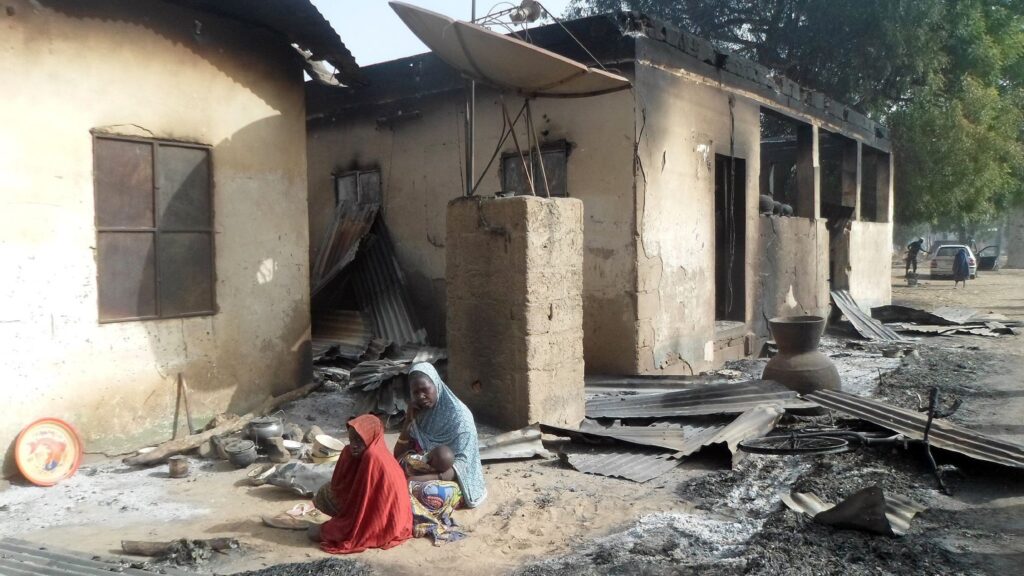
Insurgency and Separatist Pressure
A new wave of attacks by Boko Haram and other armed groups has intensified in northern states, raising concerns about the effectiveness of Tinubu’s current security strategy. Sanusi commented that the “recent escalation of attacks by Boko Haram and other armed groups shows that the security measures implemented by President Tinubu’s government are simply not working.”
Meanwhile, in his second-year anniversary address, President Tinubu maintained that the Nigerian military had made significant progress. He claimed that troops had restored order in some troubled regions, enabling farmers to return to their fields and travellers to use highways that were previously deemed unsafe.
Yet, Nigeria’s challenges extend beyond insurgency and banditry. The President’s administration continues to face rising separatist agitation in the southeast, adding further complexity to the country’s already overstretched security apparatus.
As Nigeria marks another Army Day celebration, President Tinubu’s renewed directive underscores a national urgency: to confront a mounting wave of insecurity with unity, determination, and actionable resolve.
What you should know
President Tinubu has instructed the military to escalate operations against insurgents, bandits, and separatists. He assured troops of increased support, but human rights groups say violence has worsened under his leadership, with thousands killed in two years.
The government now faces rising attacks in the north and separatist tensions in the southeast.