The Organization of the Petroleum Exporting Countries and its allies dramatically ramped up their oil production strategy on Saturday, approving a substantial 548,000 barrels per day increase for August—the largest monthly boost since the cartel began unwinding its production cuts this spring.
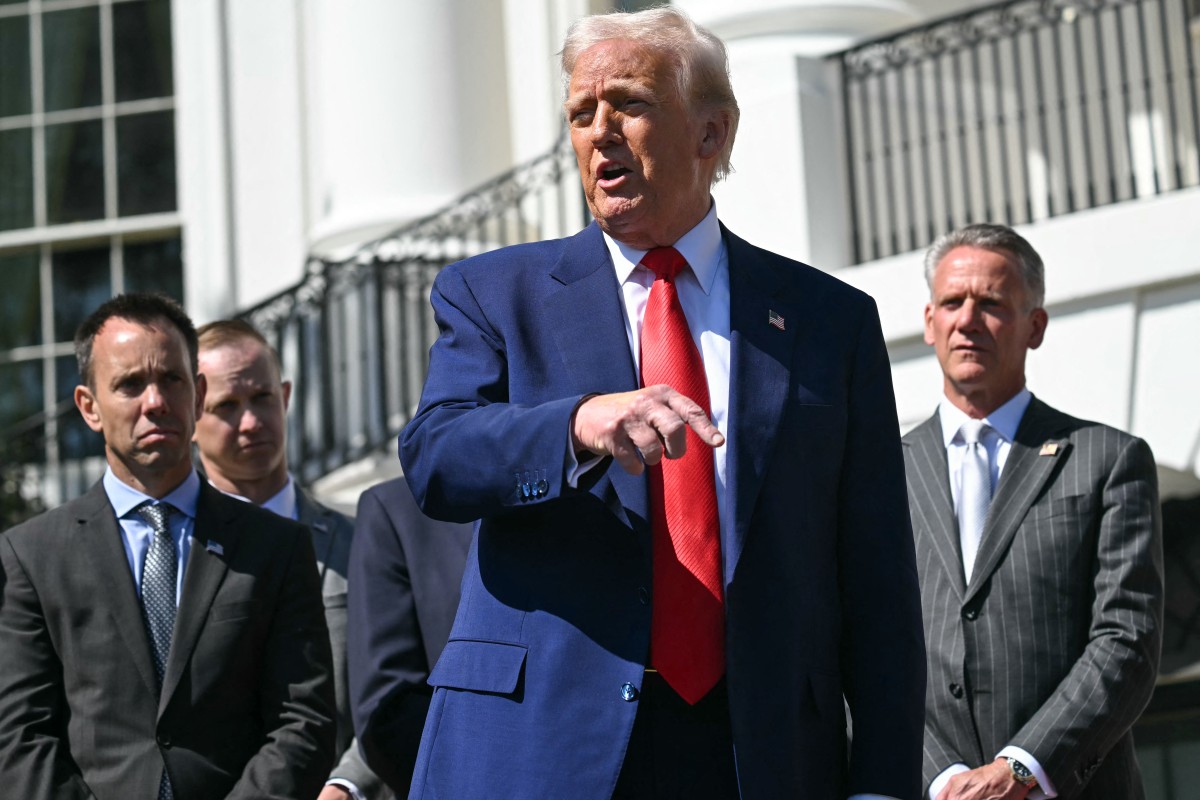
The decision comes as OPEC+ faces mounting pressure from multiple fronts, including persistent demands from President Donald Trump’s administration to increase output and help lower gasoline prices for American consumers. Trump has repeatedly asked OPEC+ to pump more oil to help ease gasoline prices as he faces inflation pressures at home, including from his tariff wars.
The accelerated production increase represents a significant departure from OPEC+’s cautious approach over the past three years. Since 2022, the group has maintained strict production cuts to support oil prices but has now reversed course as market dynamics shift. The August increase marks a substantial jump from the 411,000 barrels per day increases approved for May, June, and July, and a dramatic acceleration from the modest 138,000 barrels per day boost implemented in April.
Eight core OPEC+ members—Saudi Arabia, Russia, the United Arab Emirates, Kuwait, Oman, Iraq, Kazakhstan, and Algeria—will shoulder the production increases. These nations began unwinding their most recent 2.2 million barrel per day cuts in April, with Saturday’s decision bringing their total output restoration to 1.918 million barrels per day since spring.
The timing of this decision follows a volatile period for oil markets. Prices initially spiked following Israeli and U.S. military actions against Iran but have since retreated as geopolitical tensions eased. Brent futures fell 6.42% to $70.14 per barrel, while West Texas Intermediate (WTI) declined 6.64% to $66.95 per barrel in recent trading sessions, reflecting the market’s adjustment to increased supply expectations.
Internal tensions within OPEC+ have also influenced the decision. Sources indicate that some members, particularly Kazakhstan and Iraq, have been producing above their assigned quotas, creating friction with nations that have adhered strictly to production cuts. Kazakhstan’s output has returned to growth and recently matched an all-time high, underlining the challenges the group faces in maintaining discipline among its members.
The production surge reflects OPEC+’s strategic shift toward reclaiming market share from rival producers, particularly the United States, which has maintained robust shale oil production. The group cited steady global economic fundamentals and low oil inventories as justification for releasing additional supply, though this assessment comes as some analysts warn of potential oversupply concerns.
With the August increase, OPEC+ will have nearly completed the unwinding of its most recent production cuts, leaving only 280,000 barrels per day remaining from the original 2.2 million barrel reduction. The UAE has separately been granted authorization to increase output by 300,000 barrels per day, adding to the overall supply boost.
Despite this aggressive production increase, OPEC+ maintains other layers of production cuts totaling 3.66 million barrels per day, providing the group with the flexibility to adjust supply if market conditions deteriorate. The eight core producing nations are scheduled to reconvene on August 3 to assess market conditions and potentially make further adjustments to their production strategy.
The accelerated production timeline underscores the complex balancing act OPEC+ faces between maintaining oil prices, responding to geopolitical pressures, and preserving market share in an increasingly competitive global energy landscape.
WHAT YOU SHOULD KNOW
OPEC+ has dramatically accelerated oil production increases to 548,000 barrels per day in August—the largest monthly boost since spring—primarily responding to pressure from President Trump to lower gasoline prices and internal discord as some members exceeded their quotas.
This marks a strategic shift from three years of production cuts toward reclaiming market share from U.S. shale producers, with oil prices falling over 6% as markets adjust to increased supply expectations. The move signals OPEC+’s pivot from price support to market share competition in a rapidly evolving global energy landscape.