Introduction: Let’s Talk About Power
Not the kind that comes from high offices or national headlines—but the quiet, often overlooked power that begins at the grassroots.
When we think of politics in Nigeria, our minds jump to Abuja—presidential elections, party primaries, and national scandals. But the truth is, real, lasting change doesn’t begin at the top. It begins at the bottom—in our wards, our communities, and our town halls.
So today, I want to talk to you about grassroots politics—and how it might just be Nigeria’s most powerful tool for transformation.
Start Where You Are
Before we talk about the country, let’s talk about your street.
Who fixes your road?
Who ensures your health center works?
Who provides your borehole, your market structure, and your waste disposal?
The answer is not the president. It’s your local government, your councillor, and your community development officer.
And yet, most of us don’t even know their names.
If you know your LGA chairman’s name, represent them in the comment section—if they are performing, not ceremonial chairmen.
What Local Governments Are Meant to Do
Local governments are designed to serve as the closest level of governance to the people.
They are responsible for basic services such as
- Roads and streetlights
- Primary schools and health centres
- Waste disposal and environmental sanitation
- Markets, parks, water, and local policing
But in many parts of Nigeria, these services are either missing or failing.
Why?
Because we have abandoned the most powerful political tool we have—participation in local governance.
Why Don’t We Participate?
1. Ignorance
Many Nigerians don’t know what their local governments are supposed to do.
We vote in general elections but ignore local ones.
We shout about national corruption but ignore the fact that ₦100 million allocated for boreholes in our ward disappeared quietly.
And so, corrupt or incompetent local officials thrive in silence.
They know no one is watching.
2. Apathy
“Nothing will change.”
“Nigeria is too corrupt.”
“My vote doesn’t count.”
Sound familiar?
This is how we give away our power—not to the elite, but to hopelessness.
But here’s the truth:
Real change does not come from the top. It builds from the bottom.
A community that organizes, asks questions, demands transparency, and shows up becomes powerful.
And that’s what grassroots politics is all about.
Keep the following in mind.
The Power of Small Actions
Now picture this:
In one LGA in Anambra, a group of youth came together and formed a budget tracking group.
They didn’t wait for EFCC.
They simply compared what the LGA promised in the budget versus what was done, and they found a lot of gaps.
When they exposed these gaps:
- Schools got renovated
- Water projects were revived
- Officials took them seriously
That’s grassroots power in action.
No minister, no protest in Abuja—just ordinary people acting together.
Rewriting the Nigerian Story—Locally
We often say Nigeria has a bad story.
But stories can be rewritten—from the ground up.
Think of Nigeria as a giant puzzle. Each LGA, each ward, is a piece.
Fix enough pieces, and the national picture improves.
When:
- A local school functions, and children learn
- Local clinics work, and lives are saved
- Streetlights are on, and crime reduces
- Young people vote in local elections, and leaders become accountable
Change becomes visible—not in headlines, but in households.
Reclaiming Our Civic Power
So, what can we do?
- Know your ward—find out who your councilor is. Attend town hall meetings. Ask questions.
- Organize—form local WhatsApp groups. Talk about community needs. Hold leaders accountable.
- Vote locally—not just in presidential elections, but in ward and LGA elections.
- Run for office—yes, you! If you’re tired of how things are run, don’t just complain—contest.
- Educate others— Learn something today? Pass it on. Ignite others.
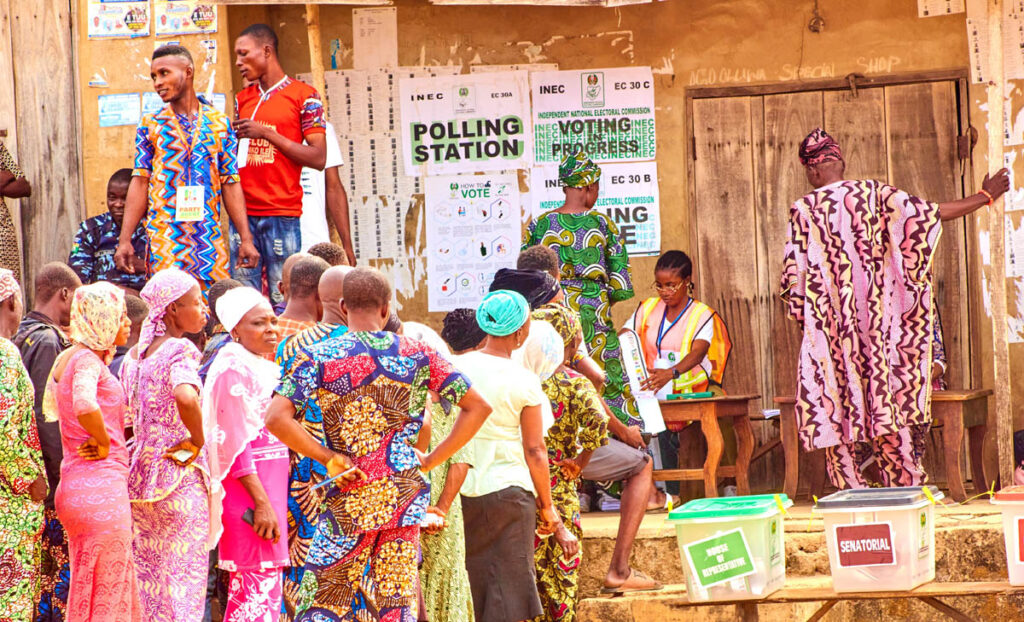
The Power of the Polling Unit
In every election, Nigerians queue at polling units.
But after presidential results are announced, most of us stop paying attention.
Yet, that same polling unit decides your
- Local chairman
- House of Assembly rep
- Councillor
These are the people who can make or mar your local area.
Imagine if every Nigerian knew the names of their local leaders like they know celebrities.
Imagine if we campaigned for councillors with the same energy we use to campaign for music awards.
Our politics would change. Our country would change.
When the Grassroots Move, the Nation Shifts
Every protest, every revolution, every meaningful movement—it starts small:
One community. One leader. One idea that spreads.
Change doesn’t have to be dramatic. It can be
- A PTA chairman insisting on accountability
- A youth leader mobilizing clean-ups
- A market woman demanding transparent levies
These little acts of civic participation form the foundation of a functional democracy.
The Mindset Shift: From Complaining to Contributing
Let’s be honest.
It’s easy to complain.
The roads are bad.
There’s no light.
The system is rigged.
“Everything is hard.”
But what if we used that same energy to:
- Run for office
- Organize town meetings
- Question budgets
- Volunteer for community boards
We often say, “Politics is dirty.”
But maybe it’s dirty because good people refuse to get involved.
Democracy is not a spectator sport. And local politics is where most of us can play.
Who Holds the Real Power? You do.
You may not have millions.
You may not know a governor.
But you have:
- A vote
- A voice
- A circle of influence
When you organize, speak up, vote wisely, and run for something, you exercise power.
Power isn’t always loud. Sometimes it looks like
- A youth group refusing to sell votes
- A women’s meeting organizing debate nights
- A WhatsApp group discussing community projects
These are not small acts.
These are revolutionary seeds.
What Will Your Political Story Be?
Years from now, what will you tell your grandchildren about Nigeria?
That you watched things fall apart?
Or that you picked up a broom and started sweeping?
Will you say
“The system was bad,”
Or
“We changed the system from the inside”?
Nigeria will not be built from the top down. It will be built from the ground up by ordinary citizens doing extraordinary things.
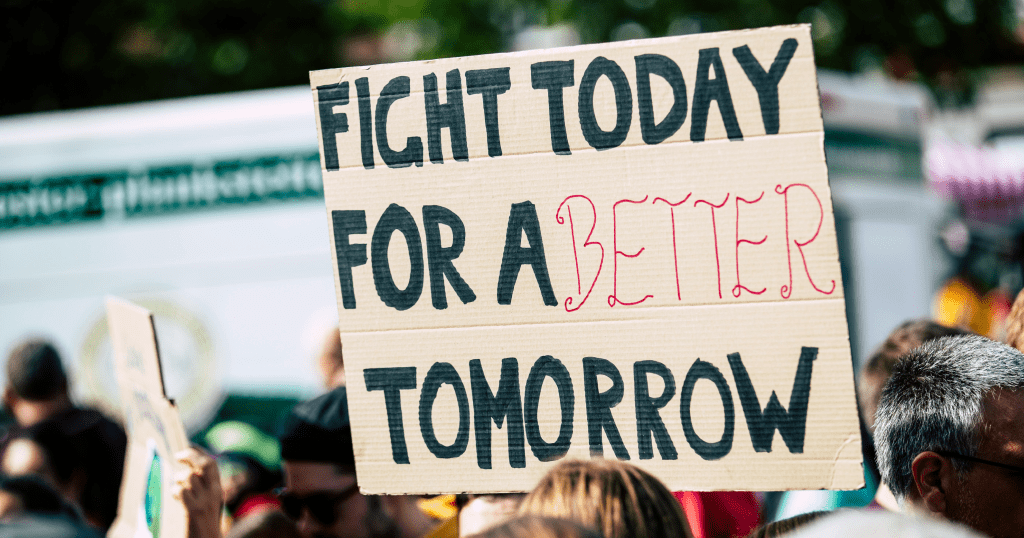
Purpose: What Is Your Role?
As I end this talk, I want to return to that deep, universal question—the question of purpose.
What is your role in Nigeria’s transformation?
You may not be a governor or senator—yet.
But you have power.
Your street.
Your ward.
Your local government area.
That is your stage. Change it—and you’ve already changed Nigeria.
Because a truly powerful nation is not built from the top down, but from the ground up.
And that is the true power of grassroots politics.
Final Call to Action
So I leave you with this:
Join your local politics. Show up. Ask questions. Organize. Mobilize. Vote.
You don’t need to change the whole country. Just start with your ward.
Grassroots is not the bottom. Grassroots is the foundation.
Let’s rebuild Nigeria—one community at a time.
Thank you.