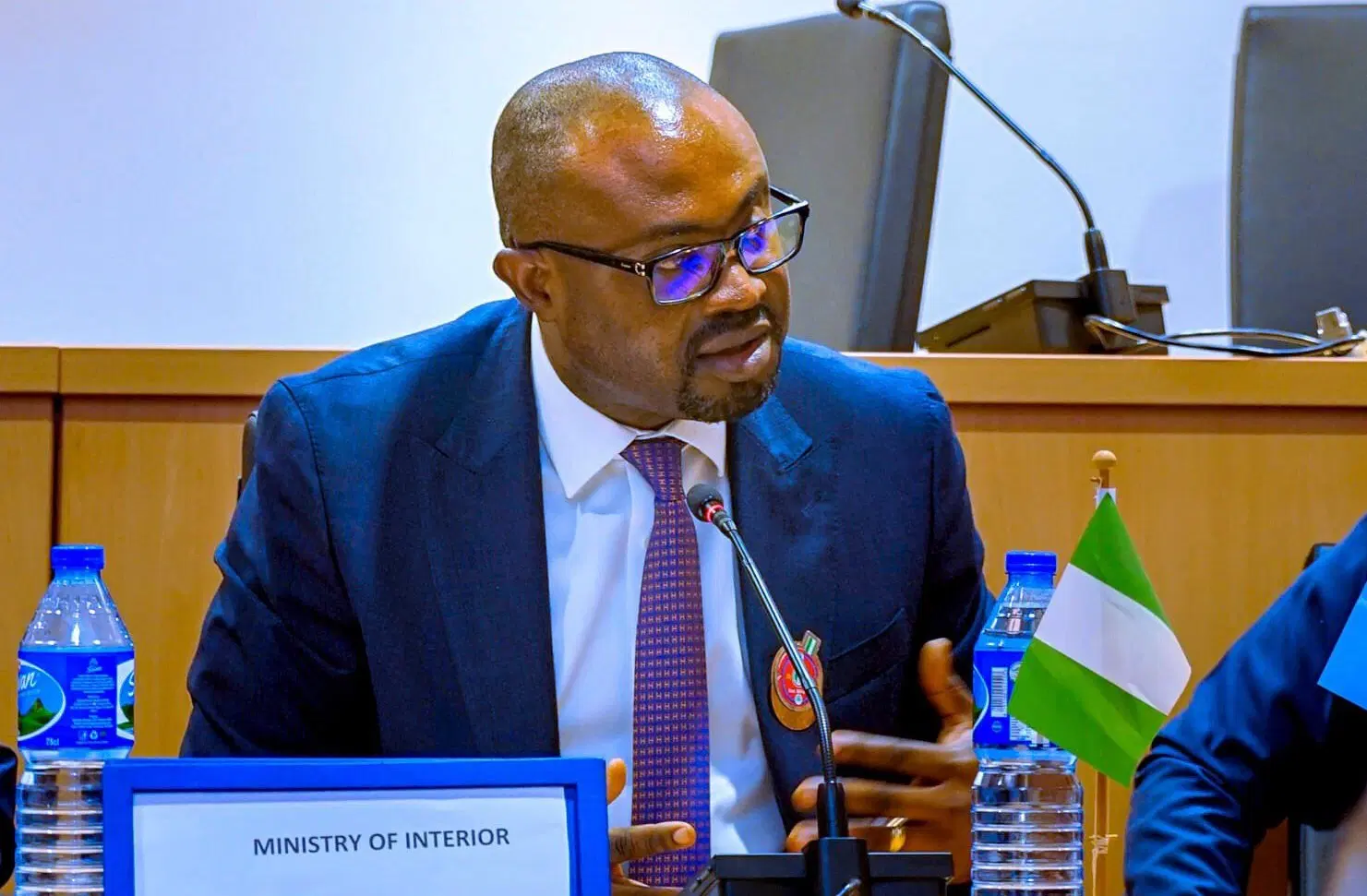
The Minister of Interior, Dr. Olubunmi Tunji-Ojo, has announced that the waiting time for Nigerian passport processing has been significantly reduced, thanks to recent automation efforts spearheaded by the Ministry of Interior in partnership with the Nigeria Immigration Service (NIS).
Speaking at a stakeholders’ sensitisation workshop in Abuja, Tunji-Ojo attributed the improvement to the newly automated passport application system, which allows applicants to upload their own documents—eliminating unnecessary bureaucracy and enhancing the integrity of the process.
“As long as there is no query with your data or background, you will get your passport within two to three weeks, which is fast by any standards,” the minister assured. He noted that the system has saved the ministry nearly a billion naira annually.
Addressing the struggles of Nigerians abroad, Tunji-Ojo revealed that passport renewal can now be done within 10 minutes using mobile phones. “Your phone is an immigration office,” he said, highlighting a more accessible, digital-first approach to services.
Permanent Secretary of the Ministry, Dr. Magdalene Ajani, underlined the importance of the workshop in aligning all stakeholders with the ministry’s new reforms. She highlighted innovations such as the upgraded e-visa platform, e-CERPAC, deployment of e-gates at entry points, and the introduction of mandatory expatriate insurance policies.
NIS Comptroller-General, Mrs. Kemi Nandap, said the workshop goes beyond document launches. It marks a new chapter in transparency, access, and global best practices for Nigeria’s immigration system. She added that the new “Guide to Nigerian Immigration Processes 2025” aims to build public trust and ease access to services.
What you should know
The Nigerian government has automated its passport processing and immigration systems, enabling faster service delivery. Passport renewals can now be done from home, and applicants can expect their documents within 2–3 weeks if all details are in order— a move aimed at eliminating delays and improving national service efficiency.