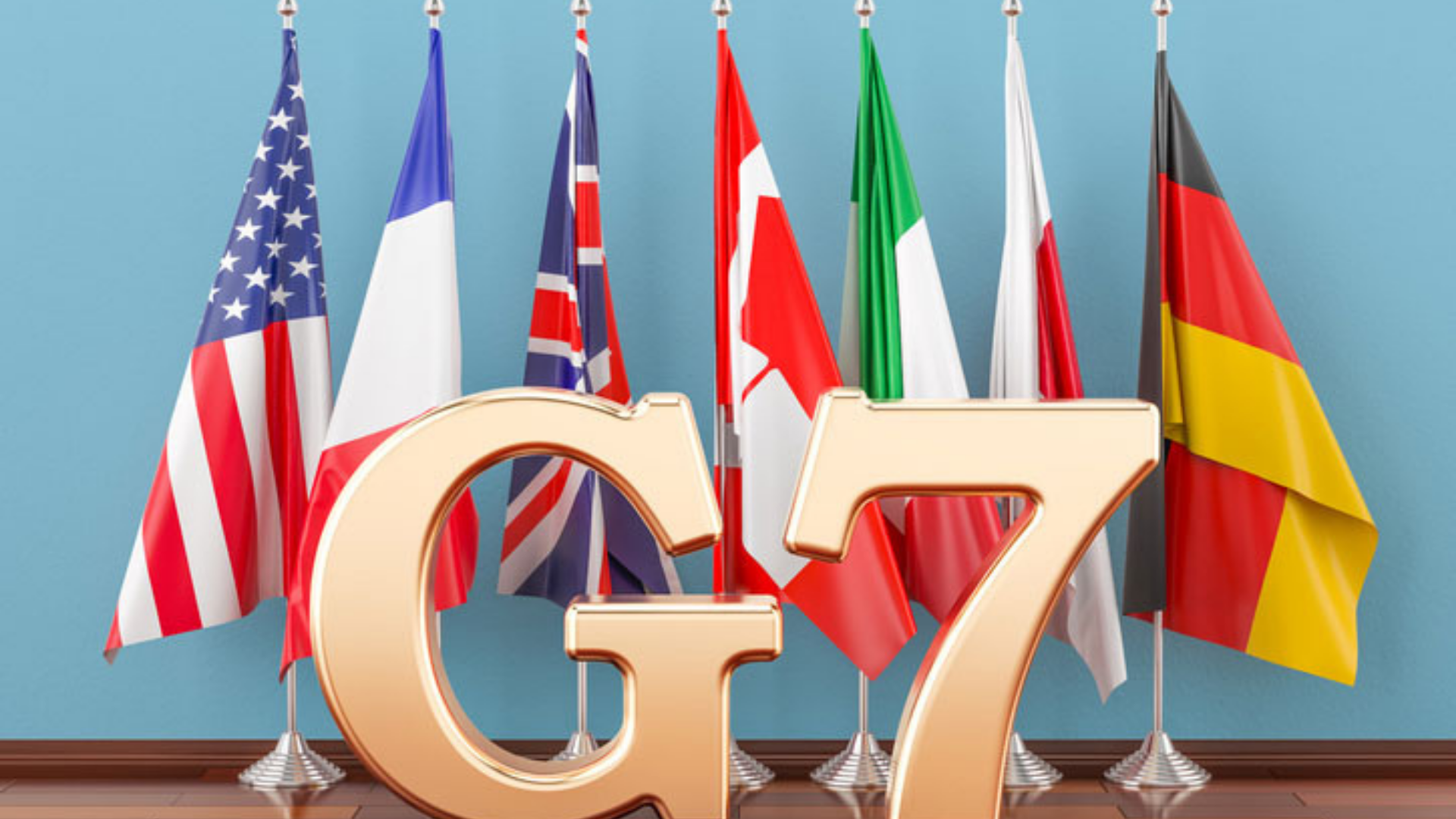
The Group of Seven nations announced Saturday they have reached a breakthrough agreement to exempt US multinational corporations from a global minimum tax regime, delivering a major policy win for President Donald Trump’s administration following intense diplomatic negotiations.
The compromise establishes what officials are calling a “side-by-side” framework that would allow American companies to be taxed exclusively within the United States on both their domestic and international earnings, effectively shielding them from the 15 percent global minimum tax rate that other multinational corporations face under international agreements.
The deal emerged from what sources described as vigorous lobbying by the Trump administration, which has consistently opposed the global tax framework negotiated during the previous administration. Canada, currently holding the G7’s rotating presidency, released the joint statement outlining the terms of the agreement.
Trump’s Legislative Push Bears Fruit
The timing of the agreement appears closely tied to the Trump administration’s domestic legislative agenda. The G7 statement specifically referenced “recently proposed changes to the US international tax system” contained within Trump’s comprehensive domestic policy package, dubbed the “One Big, Beautiful Bill,” which remains under congressional consideration.
Treasury Secretary Scott Bessent had telegraphed the development just days earlier, telling lawmakers Thursday that a “joint understanding among G7 countries that defends American interests” was taking shape. Bessent simultaneously called for the removal of Section 899 from Trump’s legislative package—a provision critics had labeled a “revenge tax” that would have imposed levies on foreign-owned firms and investors from countries deemed to tax US businesses unfairly.
The controversial clause had raised concerns among foreign investors about potential barriers to investment in the United States, creating what many viewed as diplomatic friction that needed resolution.
Background and International Context
The exemption represents a significant departure from the 2021 international tax agreement, which was hammered out by nearly 140 countries under the auspices of the Organization for Economic Cooperation and Development (OECD). That landmark deal, negotiated during the Biden administration, established two key pillars for reforming global corporate taxation, including the 15 percent minimum tax rate designed to prevent multinational corporations from shifting profits to low-tax jurisdictions.
Trump had been a vocal critic of the OECD framework throughout his campaign and early presidency, arguing it disadvantaged American businesses and represented an infringement on US tax sovereignty.
Implementation Questions Remain
While the G7 agreement represents a crucial diplomatic breakthrough, significant implementation hurdles remain. The OECD itself must ultimately approve the exemption for US companies, and it remains unclear how the organization’s broader membership, which extends far beyond the G7, will respond to what amounts to a carve-out for American corporations.
The G7 statement acknowledged these challenges, expressing hope for “expeditiously reaching a solution that is acceptable and implementable to all” stakeholders in the international tax system.
Economic and Diplomatic Implications
The agreement could provide substantial competitive advantages for US multinational corporations, potentially saving them billions in tax obligations while their foreign competitors remain subject to the global minimum rate. The G7 characterized the framework as offering “greater stability and certainty in the international tax system moving forward.”
However, the deal may also raise questions about the long-term viability of the broader international tax reform effort, particularly if other major economies seek similar exemptions or if developing nations view the arrangement as undermining the principle of tax fairness that underpinned the original OECD agreement.
The compromise represents one of the most significant early foreign policy achievements for the Trump administration, demonstrating its ability to leverage US economic influence to secure favorable terms from key allies on a contentious multilateral issue.
WHAT YOU SHOULD KNOW
The G7 has agreed to exempt US multinational companies from the global 15% minimum tax that applies to other corporations worldwide, giving American businesses a significant competitive advantage. This represents a major diplomatic victory for President Trump, who successfully pressured allies to create a special “side-by-side” system where US companies only pay taxes at home.
The deal essentially allows American corporations to avoid billions in additional taxes that their foreign competitors must pay, though final approval still requires broader international consent beyond the G7. This exemption undermines the 2021 global tax fairness agreement that nearly 140 countries had signed onto, potentially setting a precedent for other nations to seek similar carve-outs.