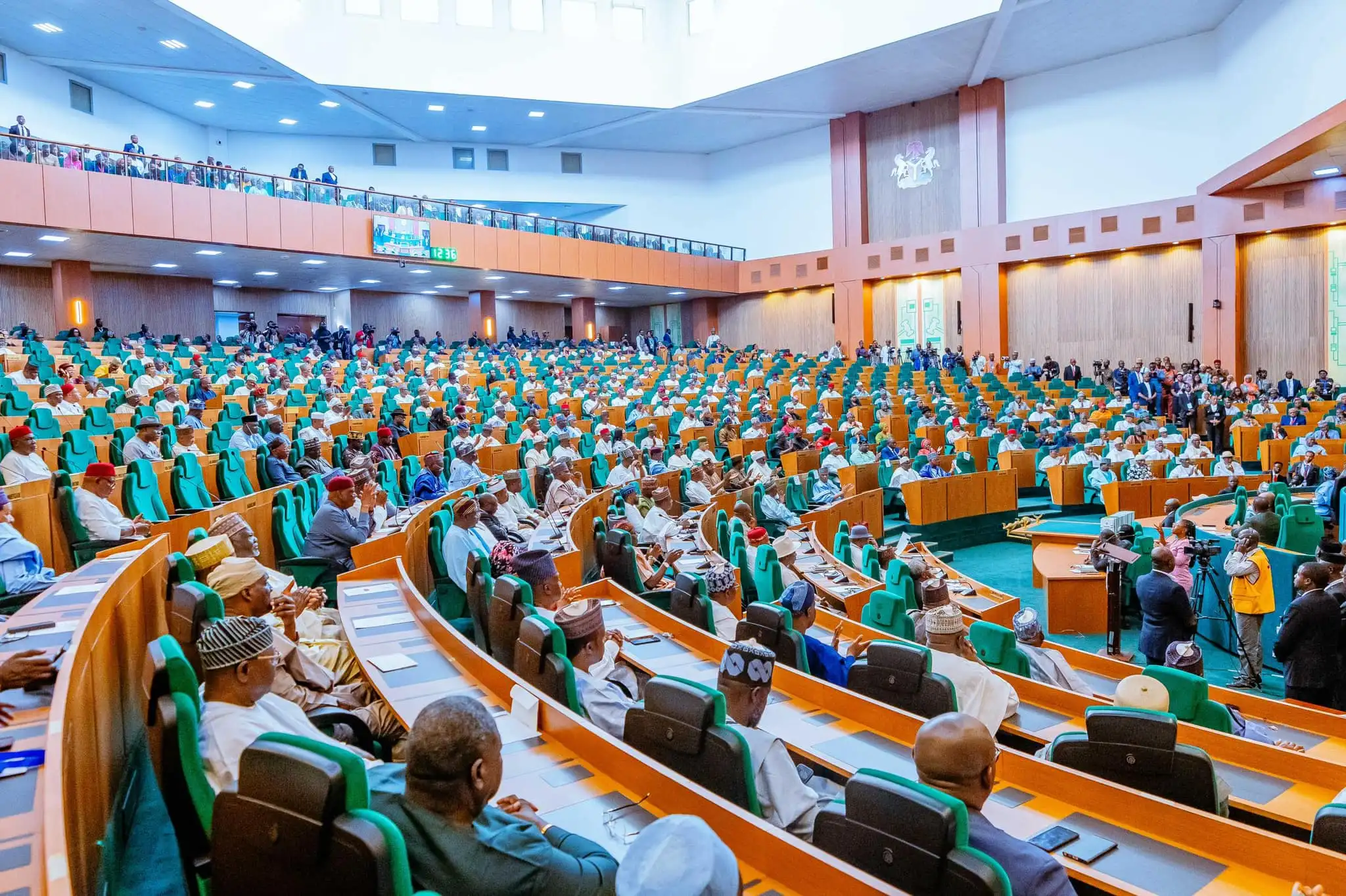
The House of Representatives has stepped up efforts to address pressing issues in Nigeria’s public service, including stagnation in career progression, age falsification, and the mandatory retirement of directors.
It is also considering the introduction of a 30-day bereavement leave to support civil servants dealing with personal loss.
This development followed a public hearing held by the House Committee on Public Service Matters on Friday, aimed at gathering expert opinions and public contributions as part of broader reforms to modernise public sector operations.
According to House Speaker Tajudeen Abbas, the public hearing offered an open forum to deliberate legislative proposals that touch on welfare, institutional efficiency, and accountability within the service.
He noted that the current policy mandating retirement at the director level, while well-intended, has raised concerns about the premature exit of experienced professionals and its impact on institutional continuity.
He further emphasized the House’s resolve to confront the issue of promotion stagnation, which has led to widespread frustration among civil servants. Despite years of dedication and performance, many find their upward mobility blocked — a situation Abbas said was undermining morale and productivity.
Also highlighted was the urgent need to tackle age falsification within the civil service. The Speaker explained that the practice distorts succession planning and undermines trust in the system. To address this, proposals include the deployment of technology-driven verification systems and stronger legal enforcement.
The House is equally reviewing motions to restructure promotion processes, ensure merit-based advancement, and address administrative inefficiencies in legislative operations.
One such proposal seeks to repeal the 2014 National Assembly Service Commission Act and replace it with the National Assembly Service Act, 2025. Additionally, an amendment to the National Assembly Service Pension Board Act (2023) is being considered to improve retirement benefits and governance.
Chairman of the Committee, Sani Bala, assured that the legislative process would be conducted with transparency and thorough engagement with stakeholders. He reiterated the importance of separating powers while ensuring all arms of government work collectively in the national interest.
Meanwhile, the President of the Nigeria Labour Congress, Joe Ajaero, praised the initiative but proposed that the term “widowhood leave” be replaced with “bereavement leave” to include both male and female beneficiaries. He also called for full salary during the leave period, citing the emotional and psychological toll the loss of a spouse can have on a worker’s productivity.
What you should know
The House is taking deliberate steps to revamp Nigeria’s public service with a focus on fairness, transparency, and welfare. From introducing bereavement leave to tackling promotion stagnation and age falsification, these reforms are aimed at boosting morale and institutional efficiency across the board.