Oil prices pulled back sharply on Monday after briefly touching five-month peaks, as energy markets grappled with the potential fallout from escalating U.S.-Iran military confrontations that threaten one of the world’s most vital oil transit routes.
Brent crude futures surrendered early gains to close down 70 cents, or 0.9%, at $76.31 per barrel by mid-afternoon trading. U.S. West Texas Intermediate followed suit, dropping 76 cents to $73.09—a 1% decline that underscored the market’s uncertainty over geopolitical developments in the Persian Gulf.
The volatility reflected traders’ struggle to price in risks from weekend U.S. airstrikes on Iranian nuclear facilities, which President Donald Trump claimed had “obliterated” key atomic sites. The attacks, coordinated with ongoing Israeli military operations, represent a dramatic escalation in Middle Eastern hostilities that could potentially disrupt global energy supplies.
Critical Shipping Lane Under Scrutiny
Market anxiety centered on the Strait of Hormuz, the narrow waterway through which roughly 20% of global oil supplies flow daily. Ship tracking data revealed that at least two supertankers executed U-turns near the strait following the U.S. strikes, with other vessels altering course, speeding up, or pausing their journeys as violence gripped the region.
“There’s been no disruption to supply—yet. But the market knows all too well how quickly that could change,” cautioned Fawad Razaqzada, a market analyst at City Index. While experts consider a complete Strait closure unlikely, Razaqzada warned that “asymmetric attacks on ships or terminals remain a very real possibility.”
The strategic chokepoint’s vulnerability was further highlighted by Iran’s escalatory rhetoric on Monday. Tehran, OPEC’s third-largest crude producer, declared that U.S. attacks on its nuclear infrastructure had “expanded the range of legitimate targets” for its armed forces, while denouncing Trump as a “gambler” for joining Israel’s military campaign.
Political Pressure Meets Market Reality
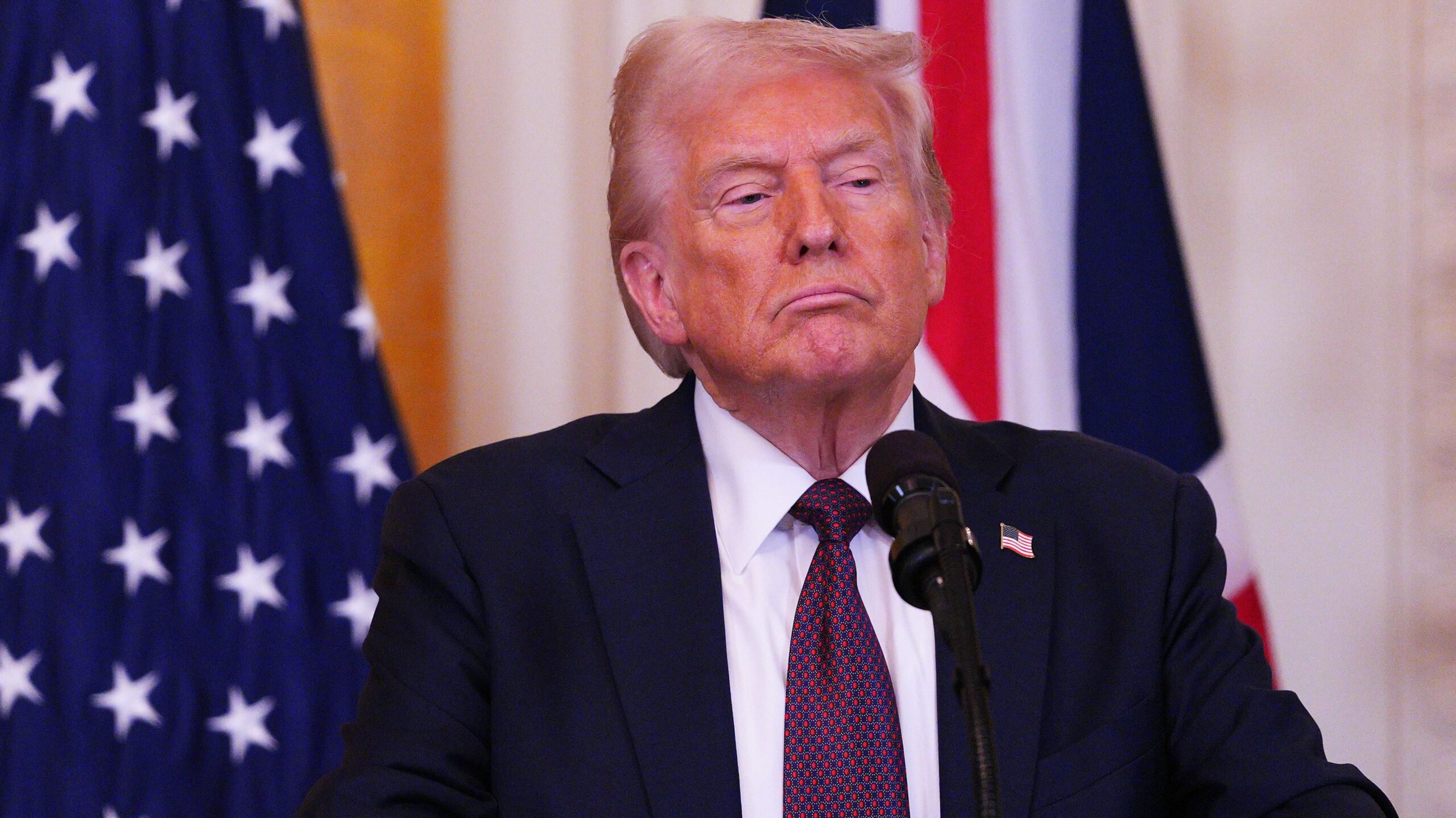
Adding another layer of complexity, President Trump publicly urged domestic energy production increases via his Truth Social platform, posting “drill, baby, drill” and emphasizing “I mean now.” The intervention appeared aimed at containing potential oil price spikes that could complicate his administration’s economic agenda.
The president’s comments came as major international oil companies began implementing precautionary measures. Iraq’s state-run Basra Oil Company confirmed that energy giants including BP, TotalEnergies, and Eni had evacuated personnel from regional oilfields—a development that signals growing industry concern about operational security.
Analysts Weigh Geopolitical Premium
Financial institutions are recalibrating their outlook as the crisis unfolds. HSBC analysts projected that Brent crude could surge above $80 per barrel to account for heightened Strait of Hormuz closure risks, though they expect prices to retreat if supply disruptions fail to materialize.
The bank’s assessment reflects broader market uncertainty about whether current tensions will translate into actual supply shortages. Iran’s economic dependence on crude exports to Asia creates mutual incentives to avoid complete transit blockades, yet the potential for targeted attacks on infrastructure or shipping remains elevated.
Monday’s trading session captured this uncertainty perfectly, with both Brent and WTI initially spiking to five-month highs of $81.40 and $78.40, respectively, before seesawing throughout European market hours.
The pattern suggests traders are adopting a wait-and-see approach, prepared to react swiftly to developments but reluctant to maintain premium pricing without concrete supply threats.
As regional tensions continue to simmer, energy markets face the challenging task of pricing geopolitical risks that could rapidly transform from theoretical concerns into supply chain disruptions affecting consumers worldwide.
WHAT YOU SHOULD KNOW
Oil prices dropped 1% on Monday despite hitting five-month highs, as markets weighed the real supply threat from escalating U.S.-Iran military strikes near the Strait of Hormuz—the critical waterway carrying 20% of global oil supplies.
While no actual disruptions have occurred yet, tankers are already rerouting and major oil companies are evacuating staff, signaling that energy markets remain one military miscalculation away from significant supply shocks that could drive prices well above $80 per barrel.