The U.S. dollar strengthened across major currency pairs Monday as financial markets absorbed the implications of President Trump’s direct military intervention in Israel’s conflict with Iran, marking what analysts describe as a historic escalation in Middle Eastern tensions.
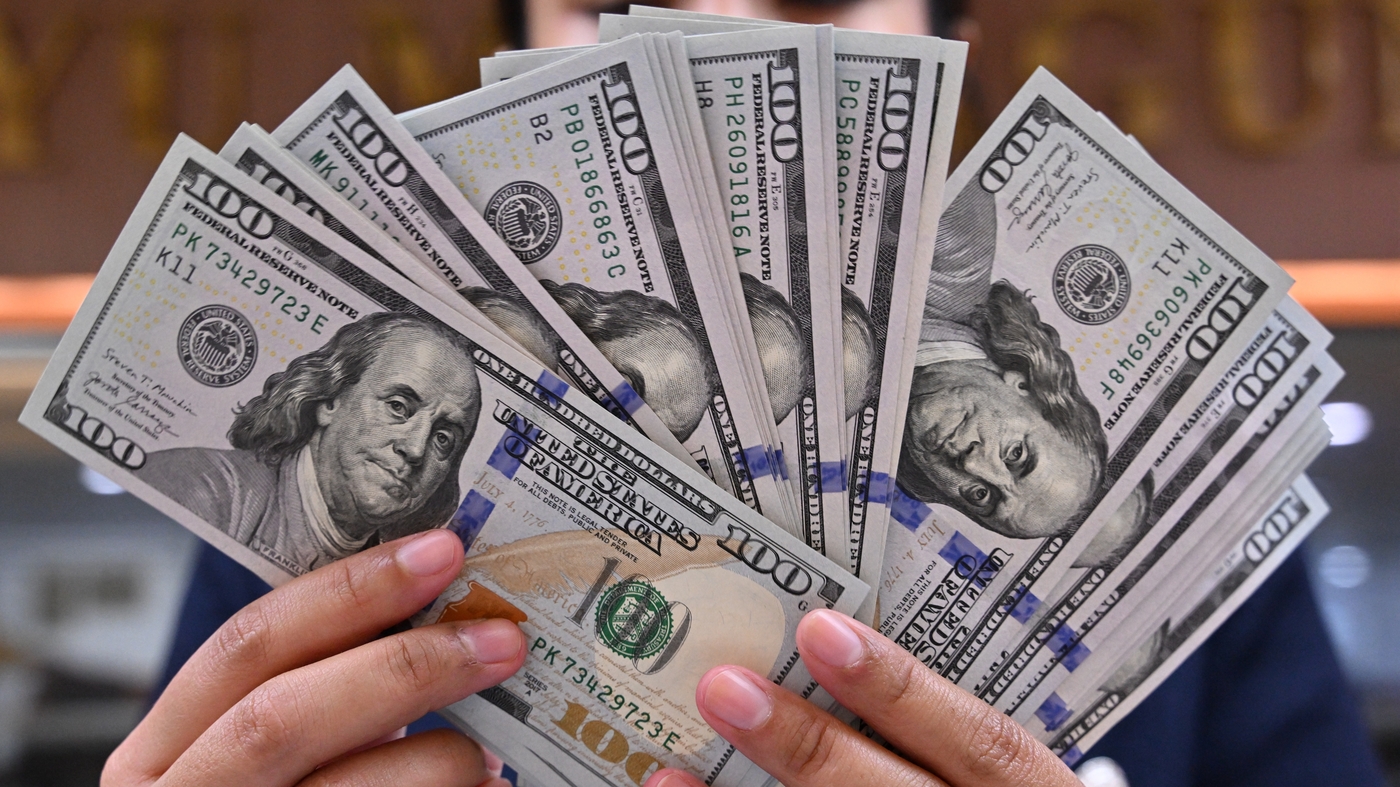
The greenback gained 1.3% against the Japanese yen, reaching 147.7—its highest level since mid-May—as investors sought safe-haven assets following the weekend’s dramatic military action. Trump declared the strikes an “amazing success,” but markets remained on edge as the world awaited Tehran’s promised retaliation.
The currency moves came after U.S. forces attacked three key Iranian nuclear facilities, with Trump claiming the operation “obliterated” the targeted sites. The military operation involved sophisticated weaponry, including 14 “bunker buster” bombs dropped from B-2 stealth bombers and more than two dozen Tomahawk missiles launched from submarines.
Despite the gravity of the military escalation, foreign exchange strategists noted a surprisingly restrained market response. Francesco Pesole, FX strategist at ING, attributed the muted reaction to investors’ structural reluctance to embrace long dollar positions, suggesting “markets need more than what would normally be required to enter long dollar positions.”
The crisis has exposed underlying economic vulnerabilities, particularly for energy-dependent economies. Bank of America strategists warned that the dollar-yen pair could climb further if oil prices remain elevated, citing Japan’s near-total dependence on oil imports, with over 90% sourced from the volatile Middle East region. By contrast, the United States maintains relative energy independence, providing a buffer against supply disruptions.
Oil markets initially surged to five-month highs before retreating, reflecting uncertainty about potential supply chain disruptions. The volatility increased after Iran’s parliament approved measures to potentially close the Strait of Hormuz, through which nearly a quarter of global oil shipments pass.
European currencies faced headwinds, with the euro declining 0.5% to $1.147 despite relatively stable regional economic data. Flash PMI readings showed the eurozone economy remaining flat for a second consecutive month in June, while slightly improved UK indicators failed to support sterling, which fell 0.46% to $1.3389.
Risk-sensitive currencies bore the brunt of the sell-off. The Australian dollar, often viewed as a barometer for global risk appetite, hit a one-month low, declining 1.1% to $0.63815. The New Zealand dollar suffered similar losses, dropping 1.3% to $0.589.
Commonwealth Bank of Australia currency strategist Carol Kong characterized the current market environment as “wait-and-see,” noting that investors appear more concerned about potential inflationary pressures from the conflict than immediate economic disruption. She warned that “currency markets will be at the mercy of comments and actions from the Iranian, Israeli, and U.S. governments.”
The geopolitical crisis has temporarily restored the dollar’s traditional safe-haven appeal, though the gains remain modest compared to typical flight-to-quality episodes. This restraint reflects the currency’s challenging year-to-date performance, with the dollar index down 8.6% against major trading partners amid concerns about the Trump administration’s trade policies and their potential economic impact.
Iran vowed to defend itself following what represents the biggest Western military action against the Islamic Republic since its 1979 revolution. Tehran denounced Trump as a “gambler” for joining Israel’s military campaign and expanded the range of what it considers legitimate targets for retaliation.
As financial markets navigate this unprecedented escalation, attention now turns to Federal Reserve Chair Jerome Powell’s upcoming semi-annual testimony to Congress, where monetary policy considerations may intersect with the evolving geopolitical landscape. The central bank faces the complex challenge of balancing domestic economic concerns with the potential inflationary impacts of Middle Eastern instability.
Market participants remain positioned defensively, with the dollar index rising 0.38% to 99.3, while traders monitor diplomatic channels and military developments for signs of either escalation or de-escalation in this rapidly evolving crisis.
WHAT YOU SHOULD KNOW
The U.S. dollar strengthened against major currencies Monday following unprecedented American military strikes on Iranian nuclear facilities, but the market reaction remained surprisingly restrained. While the dollar gained 1.3% against the yen and oil prices initially spiked, investors showed reluctance to fully embrace safe-haven trades despite the historic escalation.