The Independent National Electoral Commission has convened a high-level meeting with leaders of political parties in Abuja to present and deliberate on new electoral guidelines ahead of the 2027 general elections.
The meeting, held at the commission’s headquarters, brought together party chairmen, secretaries, and representatives, including Nenadi Usman representing the Labour Party Nigeria, as well as Abdulrahman Mohammed and Samuel Anyanwu representing the Peoples Democratic Party.
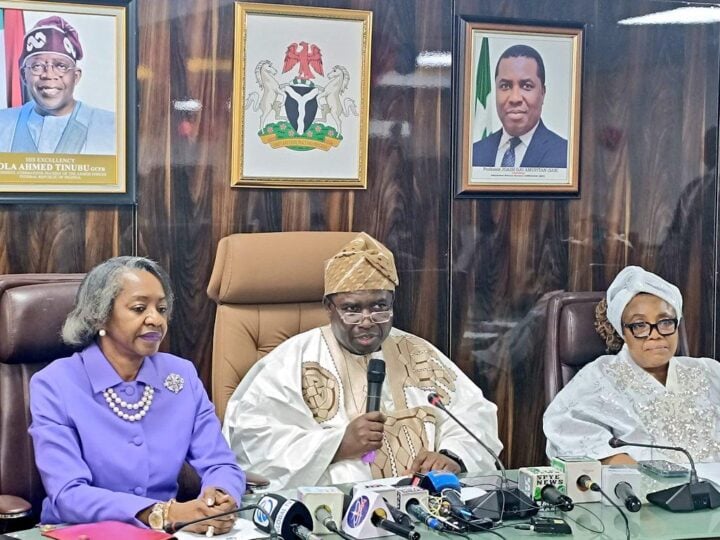
The discussions are centred on newly drafted electoral guidelines intended to regulate the conduct of the 2027 polls, following the passage of the Electoral Act 2026.
According to the INEC Chairman, the updated framework aligns with the provisions of the new law, emphasising that political actors must adapt to evolving regulations rather than rely on outdated processes.
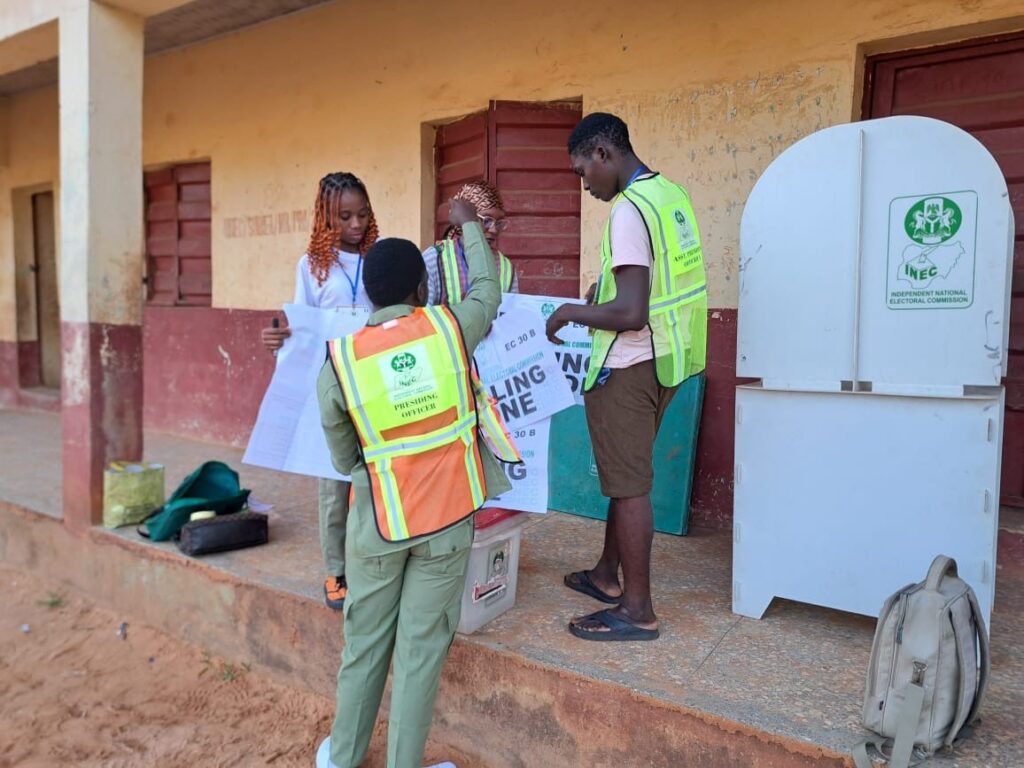
As part of preparations, INEC also highlighted key timelines for voter participation. The Continuous Voter Registration (CVR) exercise will begin with online pre-registration on August 18, 2025, followed by physical registration starting August 25, 2025. This will enable eligible Nigerians to register or update their voter details.
In addition, the commission plans to conduct a nationwide voter register revalidation exercise aimed at removing duplicate entries and deceased individuals, thereby strengthening the credibility of the electoral roll.
Debates, however, continue around proposed reforms, particularly provisions in the Electoral Act Amendment Bill 2026. One major point of contention is the Senate’s stance on real-time electronic transmission of election results to INEC’s Result Viewing (IReV) portal.
Meanwhile, political activities are gaining momentum ahead of the elections. Bola Tinubu has secured endorsement from the All Progressives Congress for a second term, while opposition figures including Atiku Abubakar, Rotimi Amaechi, and Peter Obi are reportedly exploring a coalition platform under the African Democratic Congress to challenge the ruling party.
What you should know
INEC’s engagement with political parties signals early preparations for the 2027 elections and reflects ongoing efforts to improve electoral transparency and credibility.
The introduction of updated guidelines, alongside voter registration and revalidation exercises, aims to address past challenges. However, debates over key reforms, such as electronic transmission of results, highlight lingering concerns about electoral integrity.
With political alliances already forming, the groundwork for a highly competitive election cycle is steadily taking shape.