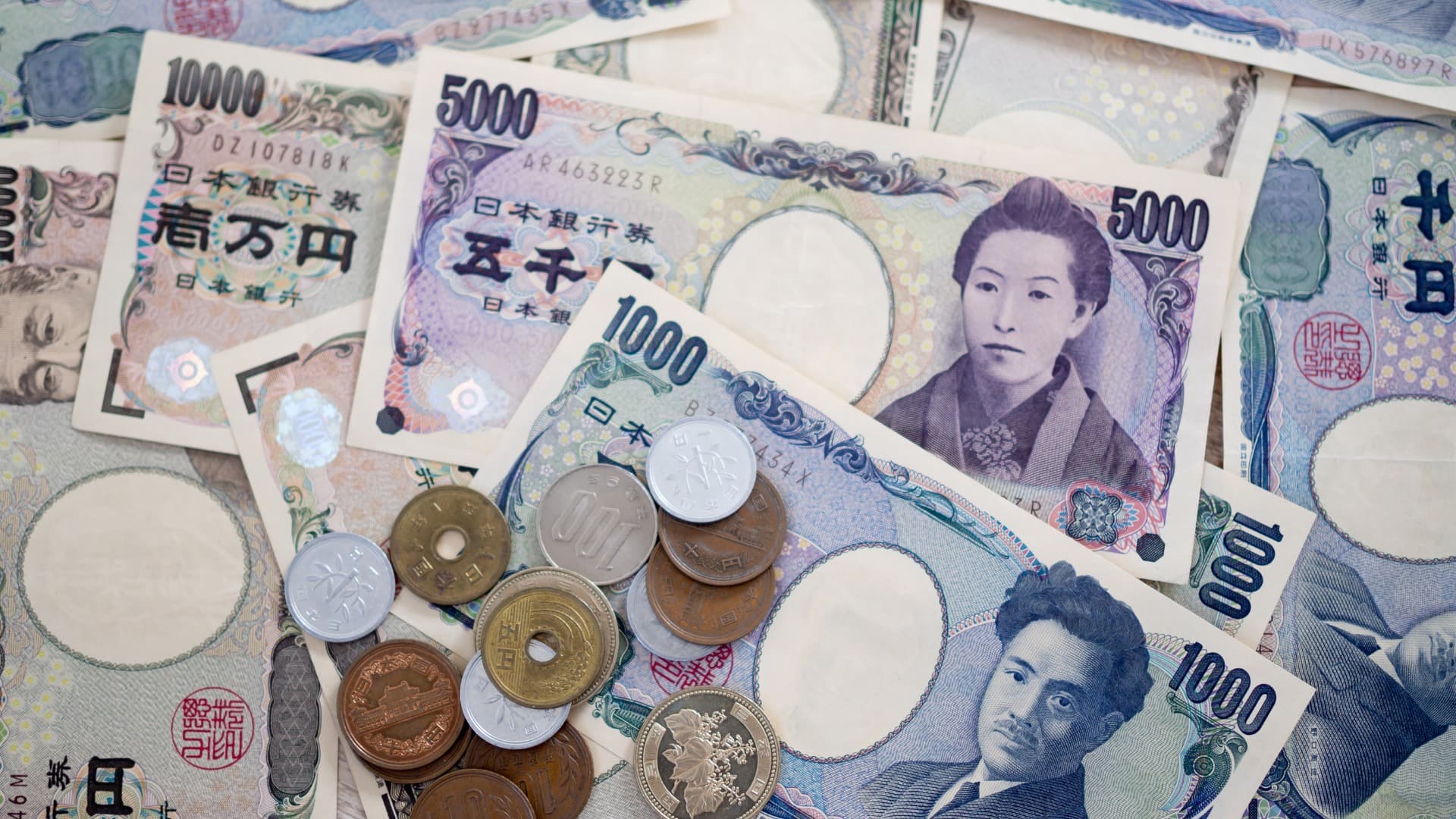
The Japanese yen strengthened against the dollar on Friday following pointed remarks from Finance Minister Satsuki Katayama that Tokyo stands ready to deploy all available measures—including coordinated intervention with Washington—to arrest the currency’s prolonged slide.
The yen recovered to trade at 158.08 per dollar, up 0.37% on the day, after Katayama’s comments reminded markets that Japanese authorities retain options to defend their currency. Despite Friday’s gains, the yen remains on course for its third consecutive weekly decline against the greenback and earlier this week touched its weakest level in eighteen months.
“Tokyo would not rule out any options to counter weakness in the yen,” Katayama told reporters, invoking a joint statement signed with the United States last September that he characterized as “extremely significant” for its explicit language permitting intervention. The remarks appeared calculated to put currency speculators on notice that Japan’s tolerance for yen weakness has limits.
The currency’s recent tumble has coincided with mounting political uncertainty in Tokyo. Markets are bracing for a critical week ahead that will see fiscally dovish Prime Minister Sanae Takaichi dissolve parliament to call a snap election, while the Bank of Japan simultaneously convenes its policy meeting.
According to sources who spoke to Reuters, some BOJ policymakers are considering raising interest rates sooner than markets currently anticipate as a countermeasure to yen depreciation. However, Takaichi’s expected consolidation of power through early elections has fueled expectations that she may gain greater latitude to pursue additional economic stimulus measures—a prospect that has weighed on the currency this week.
“Lower house dissolution reports are fueling JPY depreciation pressure,” noted Shinichiro Kadota, Head of Japan FX and Rates Strategy at Barclays Tokyo. The bank has extended its bullish dollar-yen forecast but cautioned that “potential intervention risk could cap the upside.”
Barclays analysts warned that Japan’s ruling Liberal Democratic Party faces a potentially tight electoral contest as opposition parties strengthen their coordination. Both monetary policy direction and currency movements could hinge not only on election outcomes but also on how foreign exchange markets react to political developments.
While the yen managed Friday gains, the broader dollar index—which tracks the U.S. currency against a basket of major peers—paused its recent rally, slipping 0.14% to 99.19. Nevertheless, the greenback remains positioned for a 0.7% weekly advance, marking its third consecutive week of gains.
The dollar’s sustained strength reflects shifting expectations around Federal Reserve policy following a string of resilient U.S. economic data. Weekly jobless claims unexpectedly declined in the latest report released Thursday, though analysts suggested the figures may reflect seasonal adjustment complications rather than fundamental labor market strength.
Fed funds futures markets have now priced in June as the likely timing for the central bank’s next rate cut, a notable delay from earlier expectations. The recalibration comes as improved employment figures and persistent inflation concerns have prompted Fed policymakers to adopt a more cautious stance on monetary easing.
Across the Atlantic, European Central Bank chief economist Philip Lane indicated Friday that policymakers see no immediate need to adjust interest rates if economic conditions remain stable. However, Lane acknowledged that unexpected developments—including potential deviations by the Federal Reserve from its policy mandate—could alter the outlook.
The ECB has held rates steady since concluding an aggressive cutting cycle in June, signaling last month that it feels no urgency to shift course again in the near term.
The euro edged marginally higher Friday, rising 0.1% to $1.16220, but remains headed for its third straight weekly decline against the dollar. The single currency touched its lowest level against the greenback since early December during Thursday’s trading session.
As currency markets close out another volatile week, traders are positioned for continued turbulence with Japan’s political calendar, central bank meetings on both sides of the Pacific, and evolving economic data all threatening to reshape the landscape in the coming sessions.
WHAT YOU SHOULD KNOW
Japan is signaling it may intervene to stop the yen’s slide, which hit an 18-month low this week. The currency faces dual pressures: political uncertainty from upcoming snap elections under fiscally dovish PM Takaichi and a strengthening dollar driven by delayed Fed rate cut expectations. Meanwhile, the Bank of Japan may raise rates sooner than expected to combat yen weakness.
Markets are on edge as Japan’s political outcomes next week could determine both fiscal policy direction and potential currency intervention—making this a critical moment for Asian currency markets with global implications.