The World Bank is set to resume concessional lending to Uganda with more than $2 billion in new financing over the next three fiscal years, ending a contentious, nearly two-year standoff that left the East African nation financially strained and diplomatically isolated.
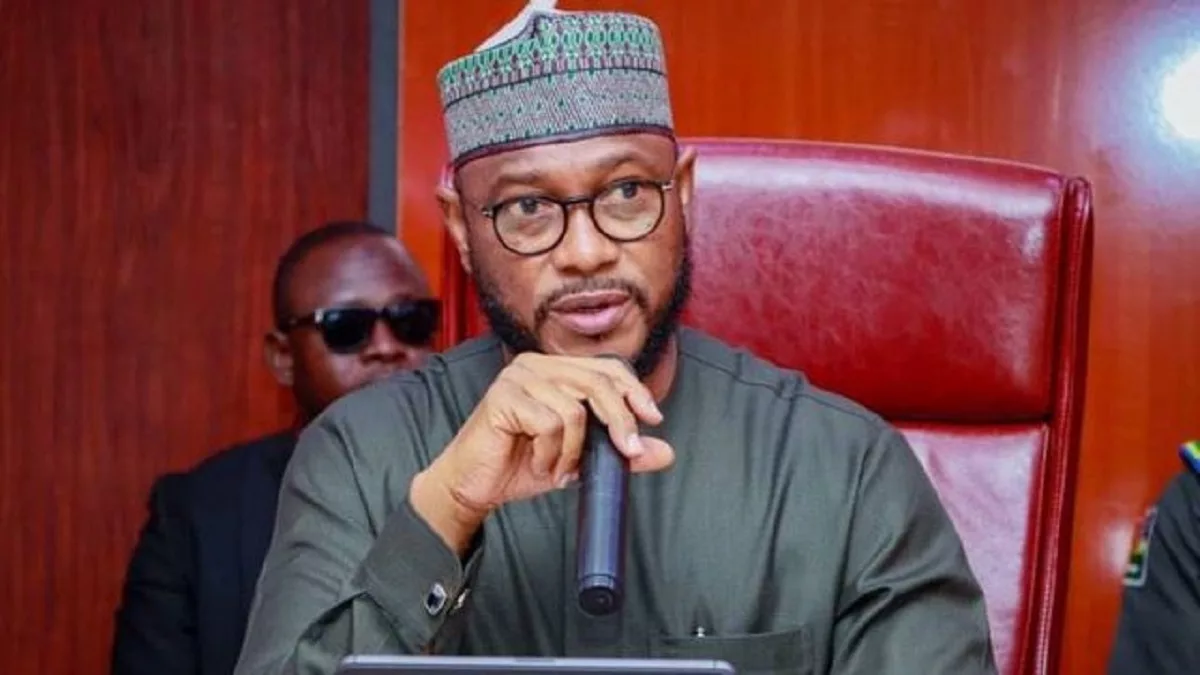
The announcement, confirmed Tuesday by Ramathan Ggoobi, Uganda’s Permanent Secretary of the Ministry of Finance and Secretary to the Treasury, signals a significant thaw in relations between Kampala and the Washington-based multilateral lender. The World Bank had effectively halted new loans to Uganda in August 2023 following the country’s passage of one of the world’s harshest anti-LBGTQ laws, which prescribes severe penalties—including the death penalty in some cases—for homosexual acts.
“I am glad to announce that concessional financing is back,” Ggoobi said in a statement. “In the next three financial years, the World Bank will disburse over $2 billion of new money to finance our development.”
The restored funding represents a critical lifeline for Uganda’s economy, which has struggled to maintain momentum amid tighter credit conditions. The suspension forced the government to turn increasingly to domestic borrowing, driving up interest rates and crowding out private sector investment. The infusion of low-interest, long-term World Bank credit is expected to ease fiscal pressures and reinvigorate stalled infrastructure and social programs.
Strategic Sectors to Benefit
According to Ggoobi, the new financing will target transportation, energy, information and communications technology, and agriculture—sectors considered vital to Uganda’s poverty reduction strategy and economic transformation agenda. These areas have long been priorities for the government as it seeks to modernize infrastructure, expand energy access, and boost agricultural productivity in a country where roughly 70 percent of the population depends on farming.
The World Bank, historically one of Uganda’s largest development partners alongside China, has not yet issued an official statement confirming the details of the renewed financing arrangement. Questions remain about whether any conditions or reforms were negotiated as part of the deal, particularly given the international outcry that followed the passage of the anti-homosexuality law.
A Costly Standoff
The 2023 suspension came amid fierce international condemnation of Uganda’s Anti-Homosexuality Act, which President Yoweri Museveni signed into law in May of that year despite warnings from Western donors and human rights organizations. The legislation, which criminalizes not only same-sex relations but also the “promotion” of homosexuality, drew swift rebukes from the United States, the European Union, and the United Nations.
The World Bank’s decision to freeze new lending was seen as one of the most tangible economic consequences of the law, though the institution framed its action around concerns that the legislation contradicted its core values and could undermine project implementation.
The financial impact was immediate. With reduced access to concessional credit, Uganda faced higher borrowing costs domestically and struggled to finance key development projects. The timing was particularly challenging as the country grappled with rising debt levels and inflationary pressures.
Eyes on the IMF
Beyond the World Bank, Uganda is also in active negotiations with the International Monetary Fund for a new Extended Credit Facility. The country’s previous $1 billion ECF program expired last year without being fully disbursed, amid concerns over fiscal management and governance issues.
A new IMF program would not only provide additional financial support but also send a signal of confidence to private investors and other creditors. IMF agreements typically come with policy conditions aimed at improving fiscal discipline, enhancing transparency, and strengthening institutions—areas where Uganda has faced persistent criticism.
Oil on the Horizon
Uganda’s economic outlook is buoyed by expectations of a transformative windfall: crude oil production is scheduled to begin in mid-2026. The government projects that oil revenues could drive GDP growth into double digits by the 2026/27 fiscal year, fundamentally reshaping the country’s fiscal landscape.
The long-delayed oil project, developed in partnership with international companies including TotalEnergies and the China National Offshore Oil Corporation, has been beset by logistical, environmental, and political challenges. But officials remain optimistic that it will provide the resources needed to accelerate industrialization, expand infrastructure, and reduce poverty.
Still, economists caution that oil wealth brings its own risks, including exchange rate volatility, corruption, and the so-called “resource curse” that has afflicted other African petrostates. How Uganda manages this transition will be critical to determining whether the oil boom translates into broad-based development or deepens inequality.
Unanswered Questions
While the restoration of World Bank financing is welcome news for Kampala, significant questions linger. It remains unclear whether Uganda has made any commitments regarding the controversial anti-LBGTQ law or broader human rights reforms as part of the agreement. The government has shown no indication of repealing or softening the legislation, which continues to face legal challenges domestically and condemnation internationally.
For now, Uganda appears to have secured a financial reprieve. But the underlying tensions between its domestic policies and international norms are far from resolved—and could resurface as the country seeks to deepen its engagement with global financial institutions and Western partners in the years ahead.
WHAT YOU SHOULD KNOW
The World Bank is restoring $2 billion in funding to Uganda after a two-year freeze triggered by the country’s harsh anti-LBGTQ law. This marks a crucial financial breakthrough for Uganda, which was forced into expensive domestic borrowing during the suspension.
The funds will support critical infrastructure in transport, energy, ICT, and agriculture. Combined with anticipated oil production starting in 2026, Uganda expects strong economic growth ahead. However, the deal raises unresolved questions: it’s unclear whether Uganda made any human rights commitments in exchange for the restored financing, as the controversial law remains in effect despite ongoing international condemnation.