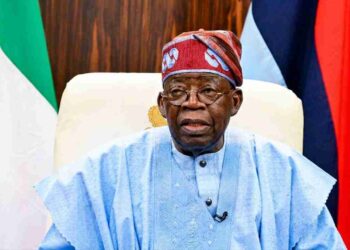
The spokesperson to the Federal Capital Territory Minister, Lere Olayinka, has maintained that the federal government is not indebted to workers of the Federal Capital Territory Administration who are currently on strike.
Olayinka made this clarification during an appearance on Channels Television’s The Morning Brief on Wednesday, where he sought to counter claims linking the industrial action to unpaid salaries.
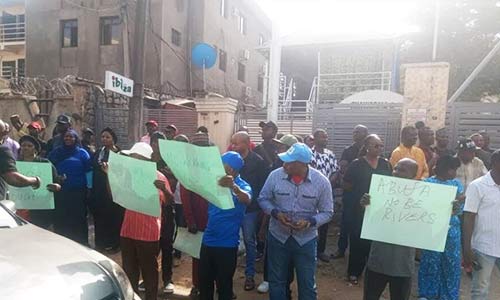
According to him, there is a widespread assumption that the strike is a result of salary arrears, an assertion he described as incorrect. He explained that the only salary that could be described as outstanding is the January 2026 salary, which is still running and therefore cannot be considered unpaid.
“There is this mindset that it’s because the government is owing salaries. No salary is being owed. The government is not owing staff of the Federal Capital Territory Administration (FCTA) and the Federal Capital Development Authority (FCDA) a dime in terms of salary,” he said.
Olayinka also spoke on the issue of promotion arrears, which form part of the workers’ demands. He disclosed that as of December last year, the FCT Minister had approved the sum of N286.1 million for the settlement of the arrears. “The minister has approved, and it’s at the treasury level—payment is being processed. What else do you want the minister to do?” he asked, suggesting that the responsibility has moved beyond the minister’s desk.
Addressing claims that the minister had failed to personally engage the workers, Olayinka rejected the allegation, stating that the minister delegated top officials to engage with the unions on multiple occasions. He explained that meetings were held involving the Head of Service, Chief of Staff to the minister, Permanent Secretary of Common Services, and the Chairman of the Civil Service Commission. “Those are the people the minister sent, and you are saying the minister did not give you an audience. How else do you want him to give you one?” he added.
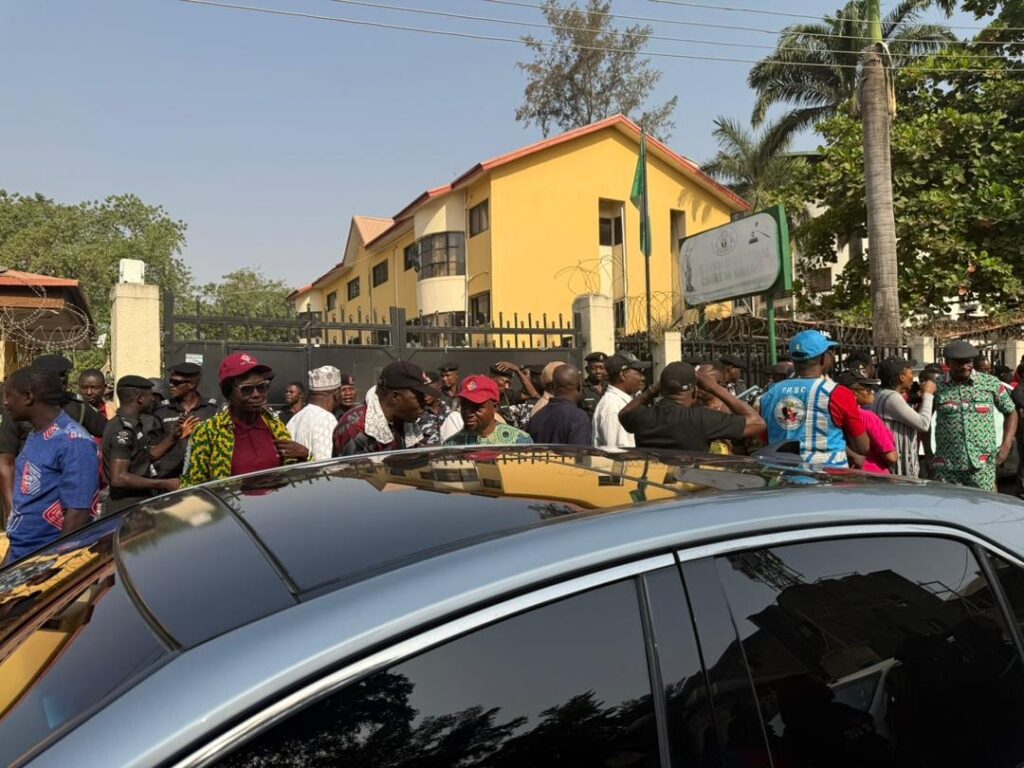
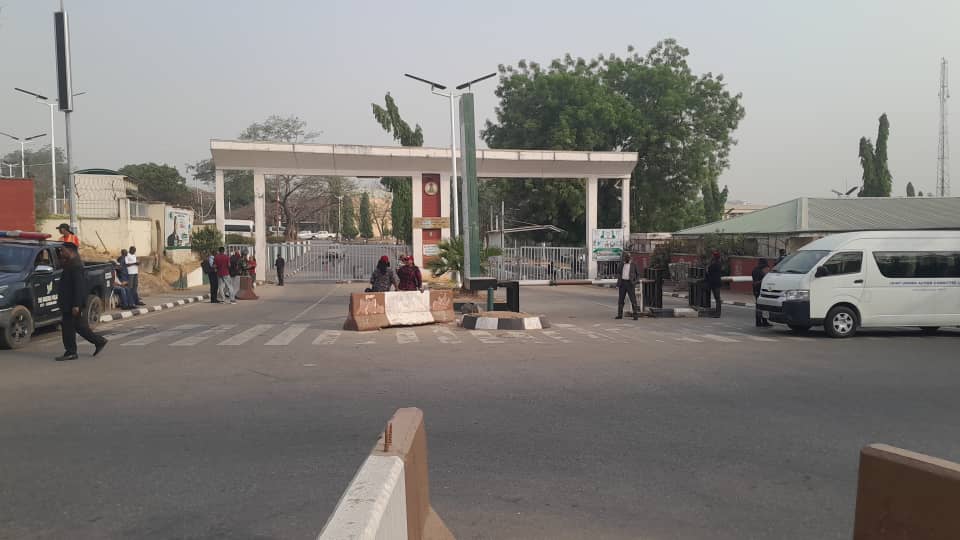
The strike began on January 19 when workers of the Federal Capital Territory Administration and the Federal Capital Development Authority downed tools, leading to the shutdown of activities across Abuja. The action affected all FCTA secretariats, departments, agencies, area councils, and parastatals, as workers protested what they described as unmet demands by the FCT administration.
The Minister of the Federal Capital Territory, Nyesom Wike, has stated that the workers presented 14 demands, out of which the government has addressed 10. “So what then is the issue?” he asked, while insisting that security agencies and FCT management had made efforts to engage the unions through dialogue.
He further suggested that the strike may be driven by issues beyond the demands officially listed by the workers.

On Tuesday, Justice Emmanuel Subilim of the National Industrial Court ordered the striking FCTA workers to suspend their industrial action pending the hearing and determination of the originating summons before the court.
The order followed an application filed by the FCT Minister, seeking a directive compelling the workers to return to work.
Justice Subilim ruled that once a dispute has been referred to the National Industrial Court, all forms of industrial action, including strikes, must be halted.
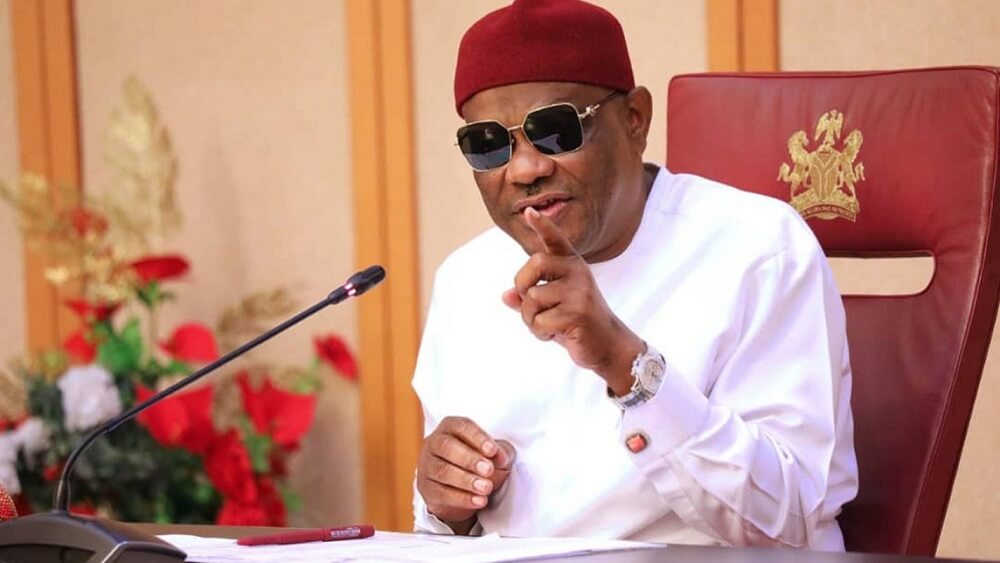
Following the ruling, Minister Wike warned that any FCTA worker who fails to resume duty from Wednesday, January 28, would face disciplinary action. He reiterated that his administration has met with union leaders and that all grievances raised have been formally discussed, even as efforts to resolve the impasse continue.
What you should know
The FCTA strike has drawn national attention due to its impact on governance and public services in Abuja.
While workers insist their demands remain unresolved, the FCT administration argues that salaries are fully paid and most demands have been addressed. The dispute now sits before the National Industrial Court, which has ordered a suspension of the strike.
At the heart of the issue are questions around trust, implementation of agreements, and the balance between workers’ rights and maintaining public administration in the nation’s capital.