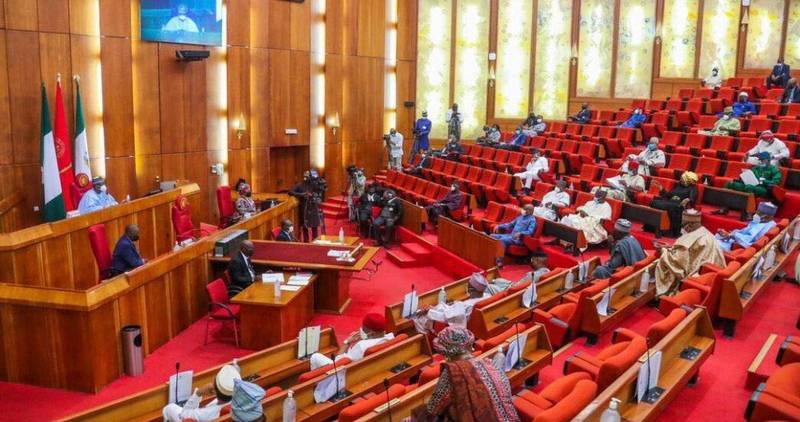
The rising interest of serving senators in the 2027 governorship races points to a clear change in how political power is viewed in Nigeria.
With at least 11 lawmakers preparing to contest for state government houses, the move reflects growing ambition as well as dissatisfaction with the limits of legislative influence at the federal level.
For many senators, the National Assembly no longer represents the highest point of political authority. While senators help shape national laws, governors still control state structures, local appointments, and access to funds. This imbalance makes state executive offices far more attractive to politicians seeking real control.
Executive Power Over Legislative Influence
Governorship positions offer direct command over projects, security decisions, and political loyalty at the grassroots. Unlike senators, governors are seen daily by the public through road projects, school upgrades, salary payments, and crisis responses. This closeness to everyday life gives governors stronger public recognition and political leverage.
Senators often struggle to explain their federal roles to voters who prefer visible results. As a result, many lawmakers see executive power as a better platform to secure relevance and long-term political survival.
Party Structures And Home-state Realities
Despite holding national offices, most senators still rely heavily on governors for party machinery back home. Control over delegates, ward leaders, and campaign logistics usually rests with state executives. By contesting governorship seats, these senators hope to break free from that dependence and become the main power brokers in their states.
This explains why even senior figures in the Senate are willing to give up their positions to enter what is often a tougher and more uncertain race.
The Cost To The National Assembly
The departure of experienced lawmakers could weaken the legislature. When senior senators leave, the Senate loses institutional knowledge and continuity. It also reinforces the idea that lawmaking is only a temporary stop, not a career path built on policy depth and oversight.
Such perceptions damage public trust in the National Assembly and reduce respect for its role in governance.
High Stakes And Political Danger
Governorship contests are rarely smooth. Zoning disputes, godfather influence, and internal party struggles can derail even well-known candidates. In states where more than one senator is eyeing the same seat, internal battles could divide parties and produce weakened candidates.
For some lawmakers, a failed governorship bid may mark the start of political decline rather than progress.
What You Should Know
The reported number of senators eyeing governorship seats ahead of 2027 stands at 11, cutting across different regions of the country. Some of the lawmakers have already made their intentions public, while others are still consulting party leaders and political allies.
Most of the senators involved are from the ruling APC, though other parties are also affected. Several of them occupy influential positions in the Senate, including leadership and key committee roles.
Governorship elections are expected to intensify internal party contests, especially in states with zoning arrangements and multiple strong aspirants. Political observers believe these contests will shape party unity and voter choices ahead of the general elections.
If many of these senators succeed, the composition of the National Assembly after 2027 may change sharply, with fewer long-serving lawmakers and a stronger focus on newer entrants.
The unfolding moves point to a wider debate about power balance in Nigeria and whether legislative offices can remain attractive in a system where executive authority still holds greater weight.