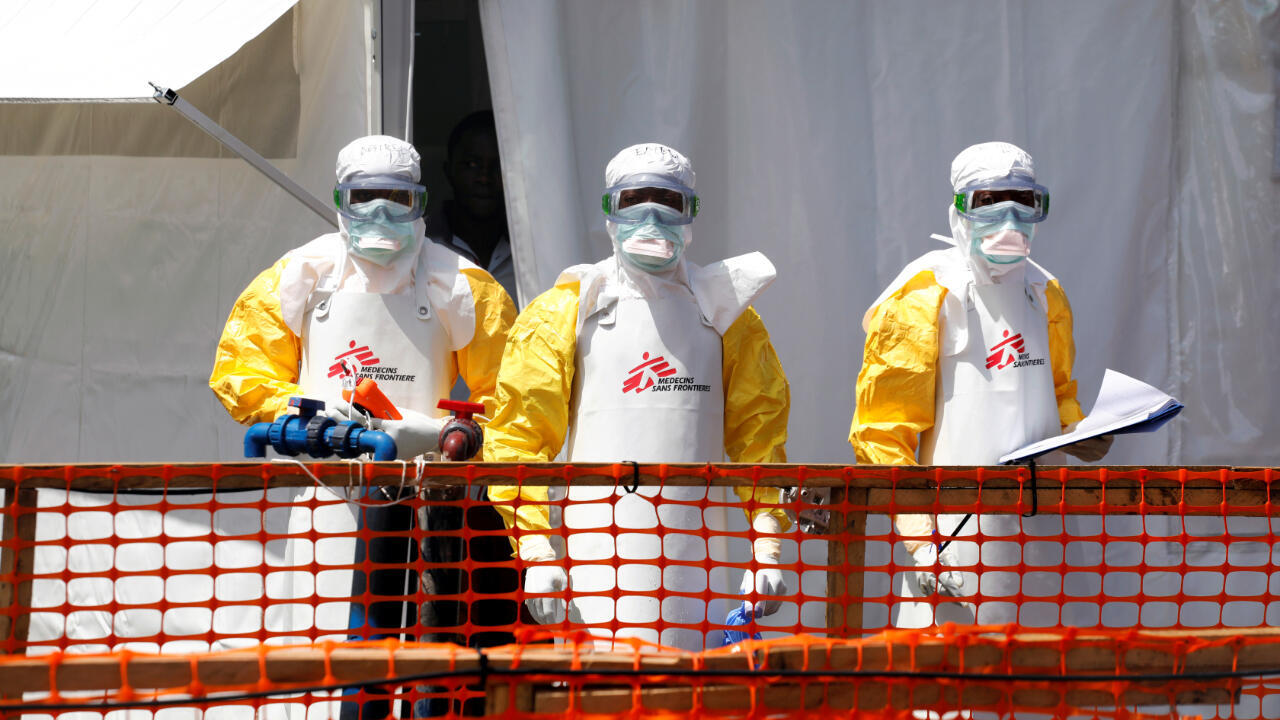
An Ebola outbreak declared in the Democratic Republic of Congo (DRC) earlier this month has claimed 42 lives from 64 confirmed cases, the World Health Organization (WHO) said on Wednesday.
Health officials in the DRC began rolling out a vaccination programme against the virus two weeks ago, targeting communities in the central province of Kasai where the resurgence was first reported. The highly contagious haemorrhagic fever, which spreads through direct contact with bodily fluids, has killed around 15,000 people across Africa in the past five decades.
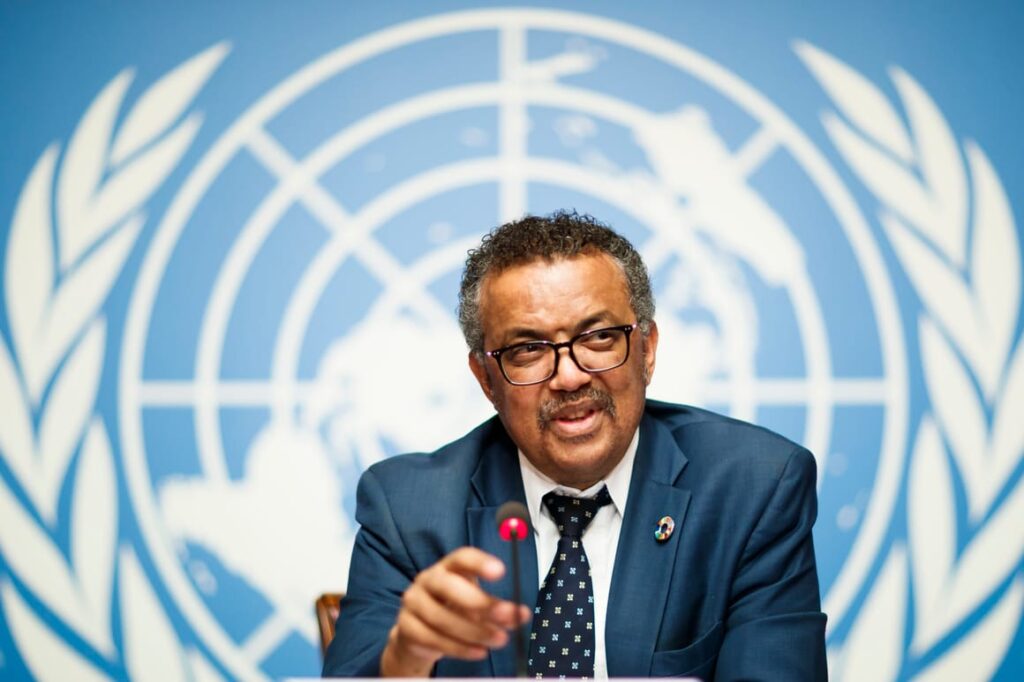
WHO Director-General Tedros Adhanom Ghebreyesus confirmed the figures in a post on X, noting that the agency and its partners are working closely with the Congolese government to curb the outbreak. The UN health body has assessed the risk of spread as high nationally but moderate for the wider region.
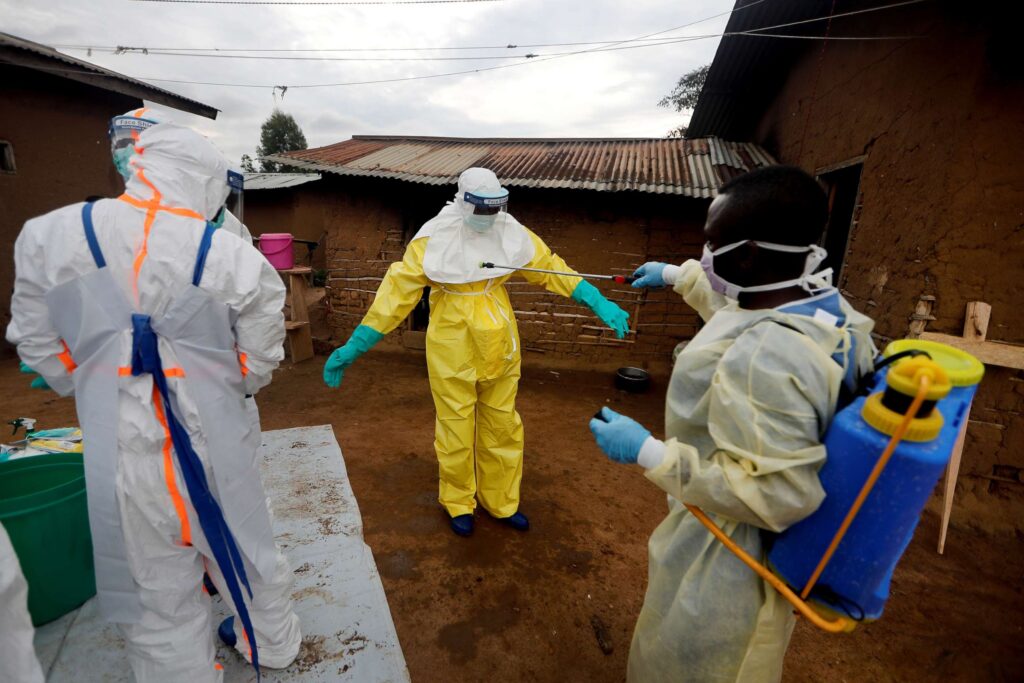
The outbreak is being fuelled by challenges such as late detection, incomplete contact tracing, insufficient protective equipment, and unsafe burial practices. WHO also warned that high mobility across the country and reliance on traditional healers heighten the threat of transmission.
The Zaire strain, the same variant responsible for previous deadly outbreaks, has been identified as the cause of the current wave. A vaccine is available, and the International Coordination Group on Vaccine Supply has cleared the shipment of 45,000 additional doses to the DRC.
The deadliest Ebola outbreak in the country occurred between 2018 and 2020, when nearly 2,300 people lost their lives. The latest outbreak has a reported mortality rate of 45.7 percent, falling within the historical range of 25 to 90 percent.
What you should know
The Democratic Republic of Congo has experienced multiple Ebola outbreaks, with the virus first identified there in 1976.
The latest outbreak highlights the persistent public health challenges facing the country, as officials race to contain the disease through vaccination campaigns and improved detection measures.