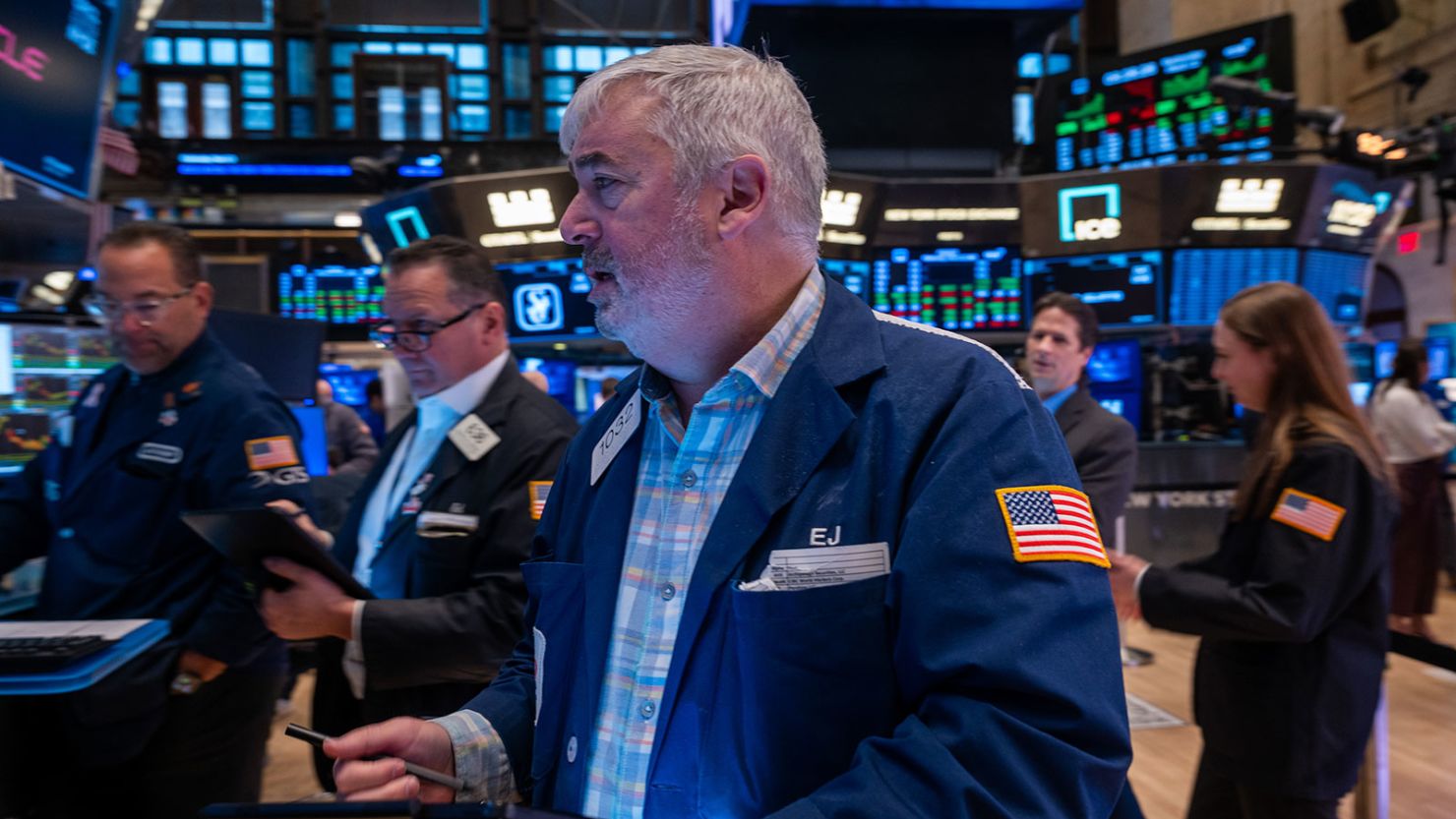
Wall Street exhibited cautious optimism on Wednesday morning, with futures pointing to a modestly higher opening as investors demonstrated growing familiarity with President Trump’s aggressive trade negotiating tactics.
The measured market response stands in stark contrast to the volatility that gripped trading floors earlier this week. Pre-market indicators showed resilience across major indices, with S&P 500 E-minis climbing 0.24%, Nasdaq 100 E-minis advancing 0.21%, and Dow E-minis posting a 0.29% gain.
This steady performance comes despite Trump’s latest escalation in his trade offensive, which included a 50% tariff on copper and ordered investigations into pharmaceuticals and other sectors to support future tariffs.
The president’s recent moves mark a significant intensification of his trade strategy. On Tuesday, Trump announced the copper tariff increase while simultaneously threatening levies on semiconductors and pharmaceuticals. This followed a broader salvo against 14 trading partners, with promises of additional tariff notices throughout the day.
However, markets appear to have found their footing after Monday’s sharp selloff, which was triggered by tariff threats specifically targeting Japan and South Korea. Trump took some of the edge off by signing an executive action Monday to extend the date for all “reciprocal” tariffs, with the exception of China, to August 1. This extension has provided breathing room for ongoing negotiations.
“Markets have gotten used to how Trump negotiates, where he goes very aggressive to begin with, and then we end up at a much lower level,” observed Ross Bramwell, investment strategist at Homrich Berg. This sentiment reflects a broader market psychology that has developed around Trump’s trade approach, where initial aggressive positioning often softens through subsequent negotiations.
The delay in tariff implementation until August 1 has become a crucial lifeline for market sentiment. Investors are now closely monitoring whether corporate earnings, set to be released next week, will show any concrete impact from existing trade measures. The market’s reaction suggests that, without tangible evidence of tariff damage in second-quarter results, traders are willing to maintain their optimistic stance.
European leaders are actively engaged in diplomatic efforts to prevent further escalation. European Commission President Ursula von der Leyen confirmed that the EU is working closely with the Trump administration to reach a comprehensive deal while simultaneously preparing for various scenarios should negotiations fail.
The Federal Reserve finds itself in a challenging position amid this trade uncertainty. During some particularly chaotic moments, Trump changed tariff levels in the span of a few hours, creating the kind of policy volatility that central bankers typically seek to avoid. With a July rate reduction now almost entirely off the table, traders are focusing on September, where odds stand at approximately 63%, according to CME Group’s FedWatch tool.
Thursday’s initial jobless claims report will provide the next significant data point for labor market assessment, following last week’s surprisingly robust jobs report that helped propel the S&P 500 and Nasdaq to record highs. The Dow remains tantalizingly close to its all-time high, trading just 1.9% below that milestone.
Individual stock movements reflected sector-specific developments. AES Corp. surged 13.5% in premarket trading following Bloomberg reports that the power provider is exploring strategic options, including a potential sale. Conversely, UnitedHealth Group declined 1.6% after the Wall Street Journal reported a Department of Justice investigation into the company’s Medicare payment practices.
The advertising sector faced headwinds as shares of Interpublic and Omnicom each fell over 3% following peer WPP’s decision to slash its annual profit guidance, highlighting how global economic uncertainty is affecting service industries.
As markets prepare for the opening bell, the overarching theme remains one of cautious optimism tempered by ongoing trade uncertainty. While Trump’s tariff strategy continues to evolve, investors appear increasingly confident in their ability to navigate the president’s negotiating style, betting that initial aggressive positions will ultimately moderate through diplomatic channels. The August 1 deadline now looms as the next critical juncture for both markets and international trade relations.
WHAT YOU SHOULD KNOW
Wall Street shrugged off President Trump’s latest tariff escalations Wednesday, with futures pointing higher as investors grow accustomed to his aggressive negotiating style.
Trump extended most tariff deadlines to August 1, giving negotiators crucial breathing room. Markets have learned to look past Trump’s initial hardline positions, expecting them to soften through subsequent negotiations.