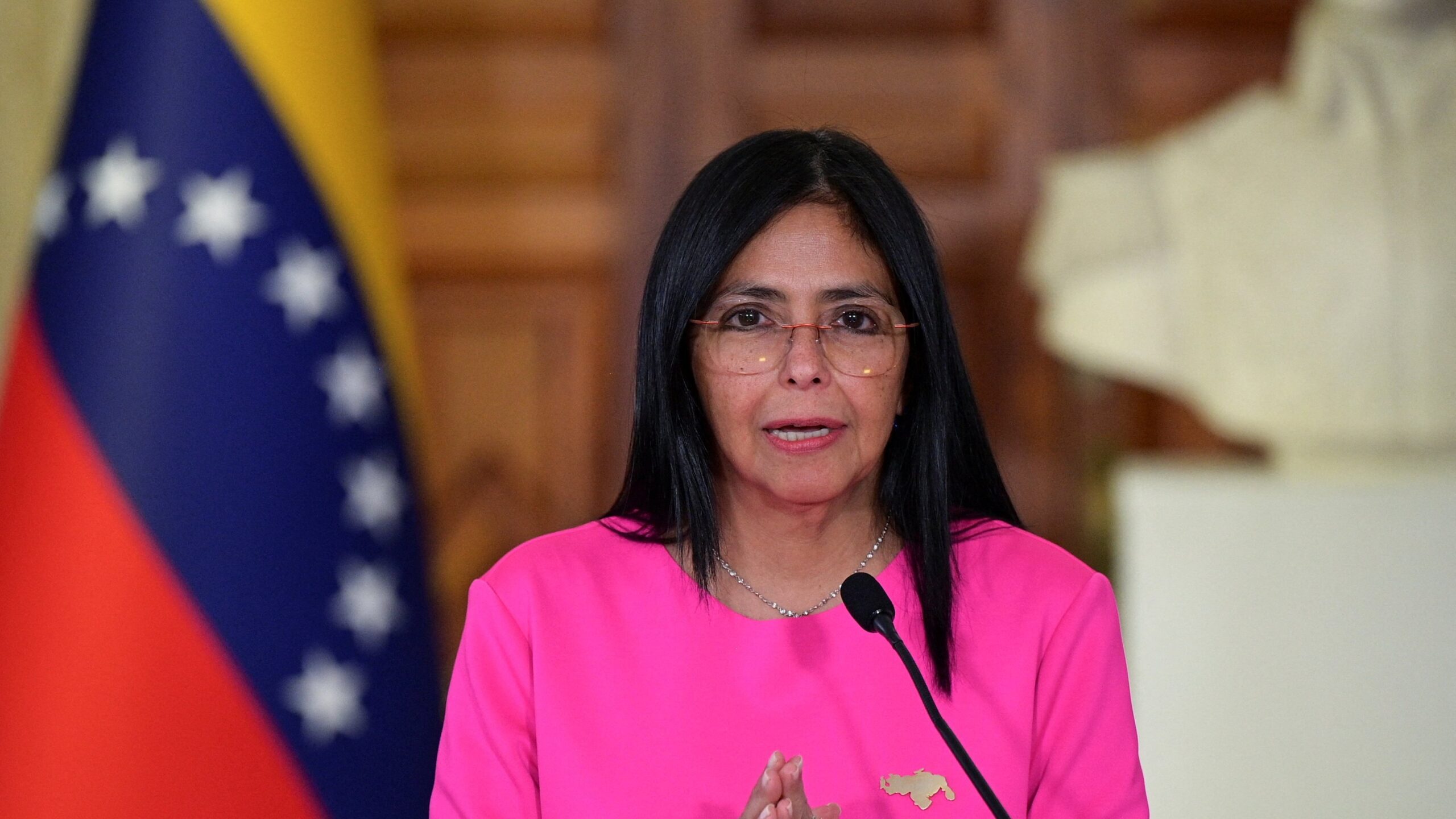
Venezuela’s interim leadership on Friday removed businessman Alex Saab from his role as minister of industry, distancing the administration from a figure long accused of acting as a key financial proxy for ousted leader Nicolas Maduro.
In a message shared on Telegram, Vice President Delcy Rodriguez said the industry ministry would be merged with the commerce portfolio and expressed gratitude to Saab, a Colombian-born Venezuelan, “for his service to the Homeland; he will be taking on new responsibilities.” No further details were given on the nature of those responsibilities.
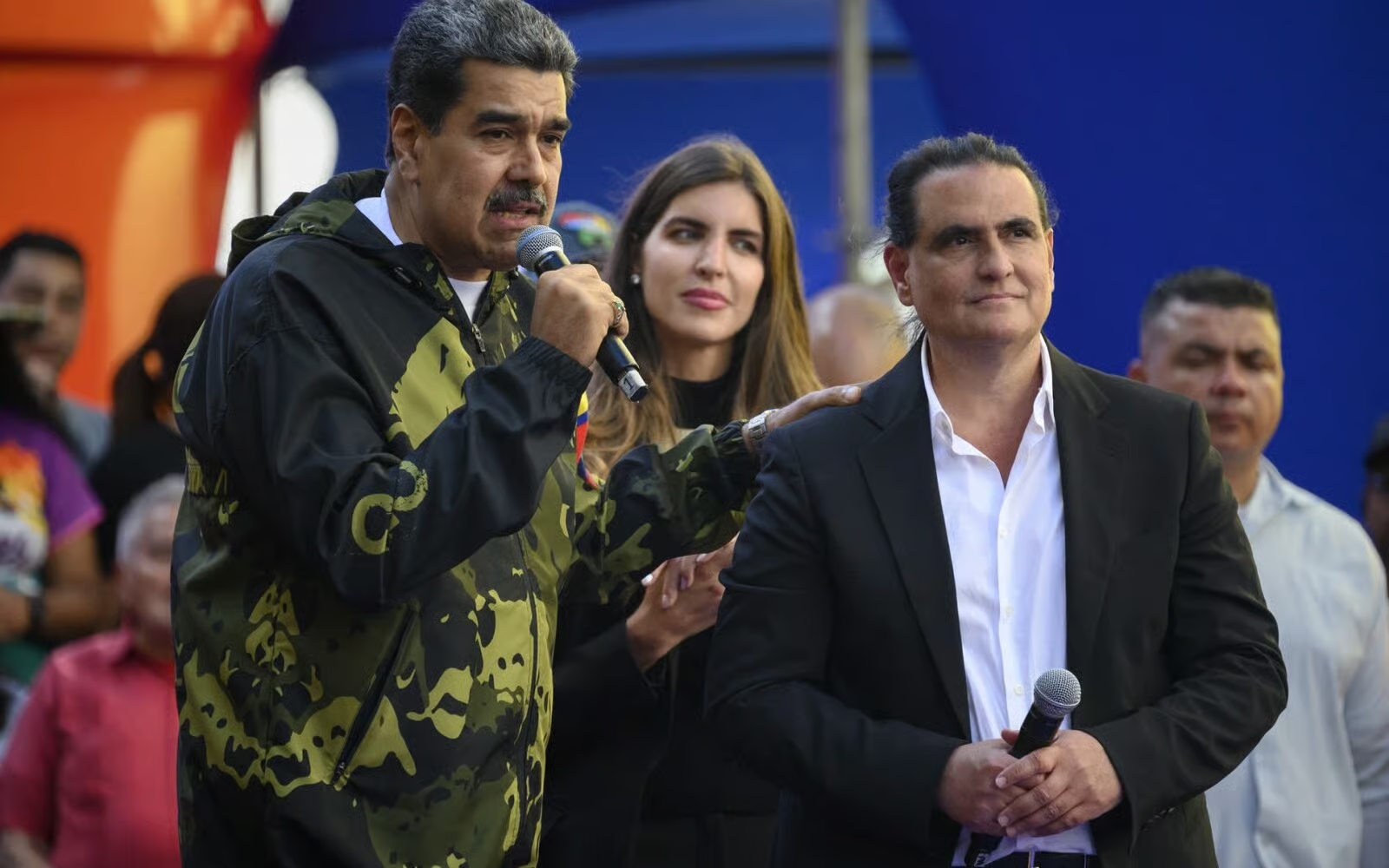
The decision comes amid sustained pressure from Washington following the January 3 US military operation that forced Maduro from power. Saab had been appointed to the cabinet in 2024 under Maduro’s leadership, despite his long-running legal troubles abroad.
Saab, who was released in 2023 as part of a prisoner exchange with the United States, was widely regarded as one of Maduro’s closest confidants.
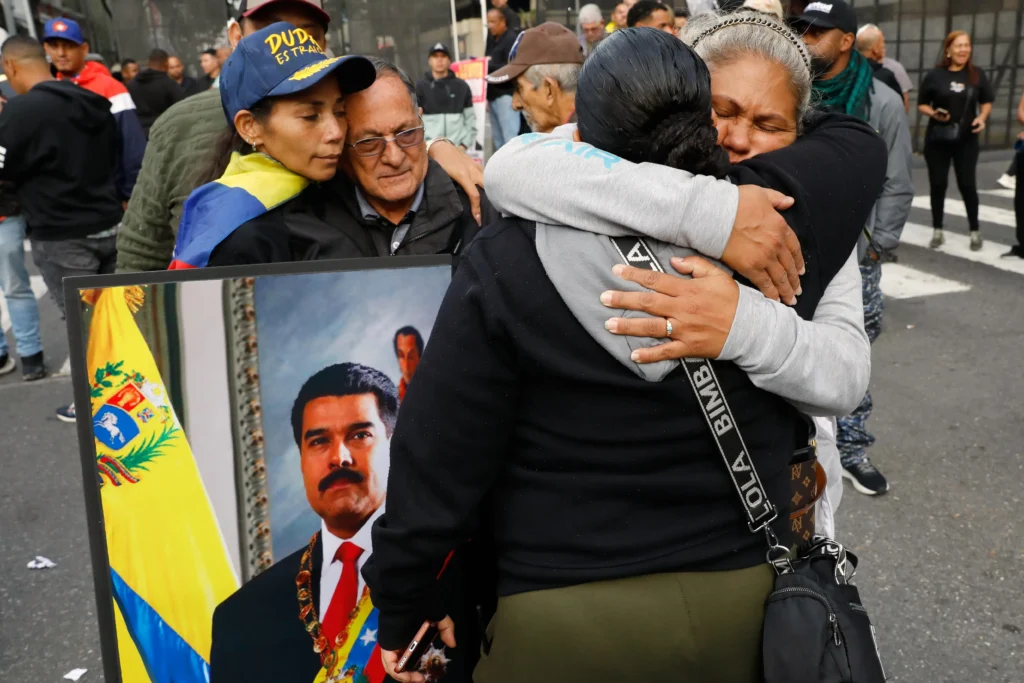
He was detained in 2020 during a refuelling stop in Cape Verde after an Interpol notice was issued over allegations that he functioned as a money launderer for the former socialist president.
Following his arrest, Saab was extradited to the United States, where prosecutors charged him and his business associate, Alvaro Pulido, with operating a scheme that allegedly siphoned funds from food aid programs intended for Venezuelans.
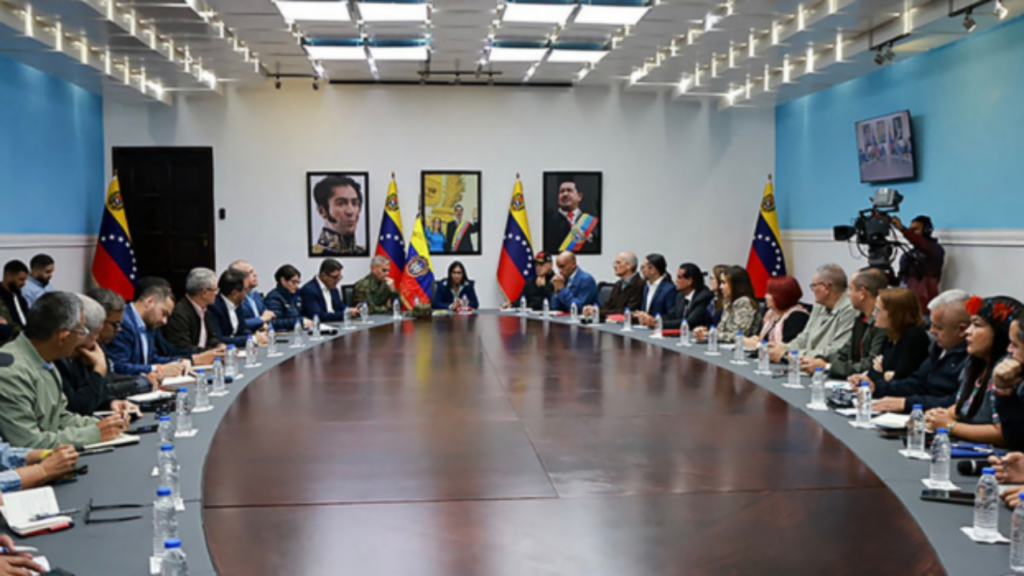
After his release, Saab returned to Caracas to a hero’s welcome from government supporters and was later sworn in as Minister of Industry in October 2024. His removal now signals a further reshaping of Venezuela’s political landscape under Rodriguez, who has overseen several high-level changes since the US capture of Maduro and his wife, Cilia Flores.
What you should know
Alex Saab has long been a controversial figure in Venezuelan politics due to his close ties to Nicolas Maduro and allegations of corruption linked to food aid and money laundering.
His dismissal reflects broader efforts by Venezuela’s interim authorities to recalibrate governance following Maduro’s removal and respond to international pressure, particularly from the United States.
The restructuring of ministries and sidelining of prominent Maduro-era figures suggest an attempt to redefine power structures and restore credibility amid ongoing political and economic uncertainty.