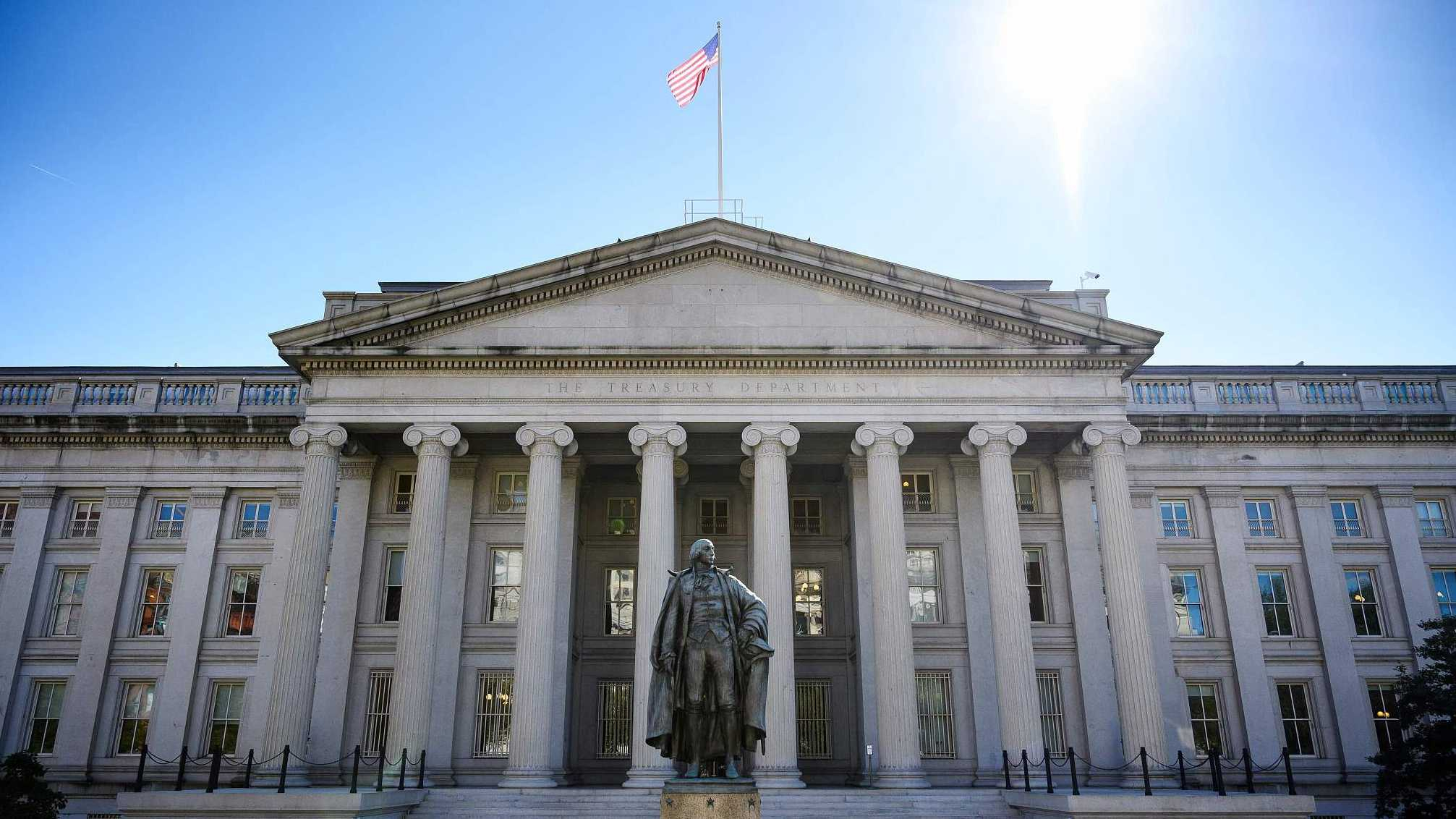
The United States has frozen the assets and properties of eight Nigerians accused of links to extremist groups, including Boko Haram and the Islamic State of Iraq and the Levant (ISIL).
The action was detailed in a document exceeding 3,000 pages released by the United States Department of the Treasury through its Office of Foreign Assets Control (OFAC). The publication also listed individuals sanctioned for cybercrime and other security-related offences.
According to OFAC, the document serves as a public reference for actions taken against Specially Designated Nationals (SDNs) whose assets and financial interests are blocked under US sanctions programmes.
“This publication of Treasury’s Office of Foreign Assets Control, OFAC, is designed as a reference tool providing actual notice of actions by OFAC with respect to Specially Designated Nationals and other persons … whose property is blocked, to assist the public in complying with the various sanctions programmes administered by OFAC,” the agency stated.
Nigerians Named in Sanctions List
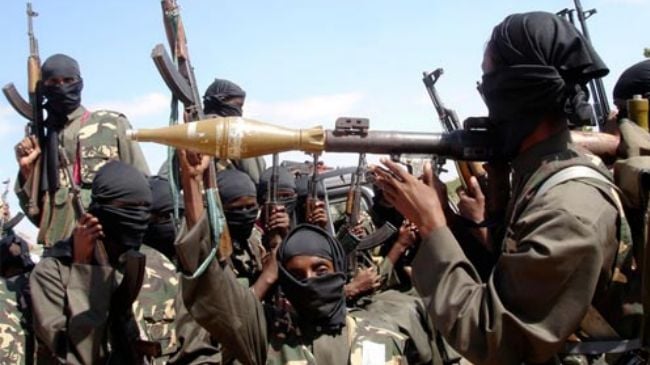
Among those listed is Salih Yusuf Adamu, also known as Salihu Yusuf, who was identified as having ties to Boko Haram. He was previously convicted in the United Arab Emirates in 2022 alongside five others for attempting to transfer $782,000 from Dubai to Nigeria to support extremist activities.
Babestan Oluwole Ademulero, born March 4, 1953, was designated under terrorism sanctions and listed under multiple aliases.
Abu Abdullah ibn Umar Al-Barnawi, also known as Ba Idrisa, reportedly born in Maiduguri, Borno State, was flagged under terrorism-related sanctions.
Abu Musab Al-Barnawi, also referred to as Habib Yusuf, was identified as a Boko Haram leader and sanctioned under terrorism provisions.
Khaled or Khalid Al-Barnawi, born in 1976 in Maiduguri, was listed with aliases including Abu Hafsat and Mohammed Usman, and linked to Boko Haram.
Ibrahim Ali Alhassan, born January 31, 1981, was also listed and reportedly linked to Boko Haram.
Abu Bakr ibn Muhammad ibn ‘Ali Al-Mainuki, also known as Abu-Bilal Al-Minuki, born in 1982 in Mainok, Borno State, was identified as having ties to ISIL.
Nnamdi Orson Benson, born March 21, 1987, was listed under cyber-related sanctions.
Sanctions Implications
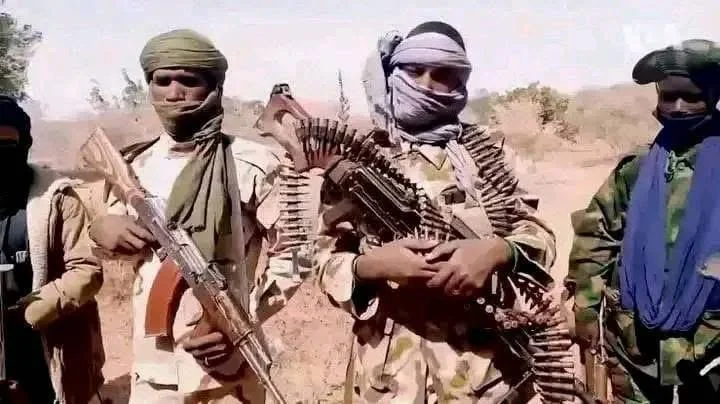
The sanctions mean that all property and financial interests belonging to the listed individuals within US jurisdiction are blocked. US persons are generally prohibited from engaging in transactions or dealings with them.
The designations fall under Executive Order 13224, which targets individuals and entities involved in terrorism and terrorism financing.
The US officially designated Boko Haram as a foreign terrorist organisation in 2013, citing its involvement in violent attacks across northern and northeastern Nigeria, as well as parts of the Lake Chad Basin.
The latest measures underscore Washington’s continued focus on disrupting terrorism financing networks and countering cyber-related threats.
What you should know
The United States Treasury, through OFAC, has sanctioned eight Nigerians over alleged links to Boko Haram, ISIL, and cybercrime activities.
The sanctions freeze their assets under US jurisdiction and prohibit Americans from conducting transactions with them, as part of ongoing counter-terrorism efforts.