The United Nations has raised alarm over the slow pace of progress in ensuring access to safe drinking water worldwide, warning that more than two billion people remain without such basic necessity.
The organisation, through its health and children’s agencies, noted on Tuesday that one in every four people globally was still without safely-managed drinking water in 2024, with more than 100 million individuals relying on unsafe sources such as rivers, ponds, and canals.
A joint study by the World Health Organisation (WHO) and UNICEF revealed that inadequate water, sanitation, and hygiene (WASH) services continue to expose billions to higher risks of disease. The agencies warned that the world is not on track to meet the 2030 target of universal access to safe water and sanitation, stressing that the goal “is increasingly out of reach.”
“Water, sanitation, and hygiene are not privileges: they are basic human rights,” said WHO’s environment chief Ruediger Krech. He urged world leaders to accelerate efforts, particularly in marginalized communities most affected by these gaps.
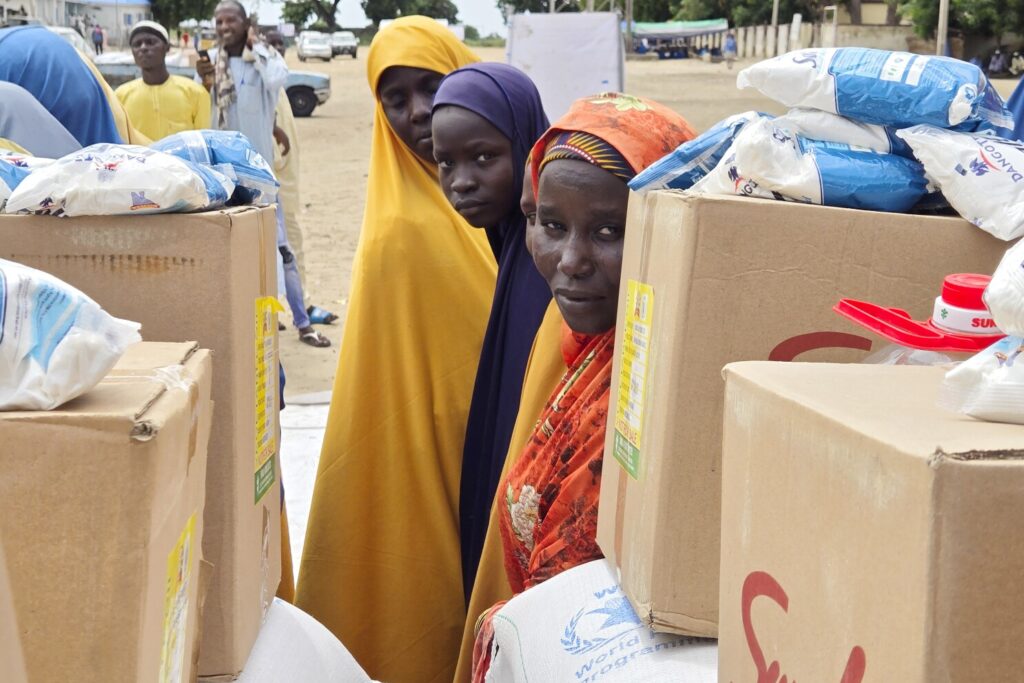
The report outlined five categories of water services, with the highest being safely managed water—defined as water accessible on the premises, available whenever needed, and free from both faecal and chemical contamination. The lower categories included basic, limited, unimproved, and surface water sources.
There have been improvements since 2015, as 961 million people have gained access to safely-managed drinking water, raising global coverage from 68 percent to 74 percent. Yet, as of 2024, 2.1 billion people remained without safe drinking water, including 106 million who still relied on surface water, although this figure represented a decline of 61 million over the past decade. The number of countries that have completely phased out the use of surface water rose from 142 in 2015 to 154 in 2024.
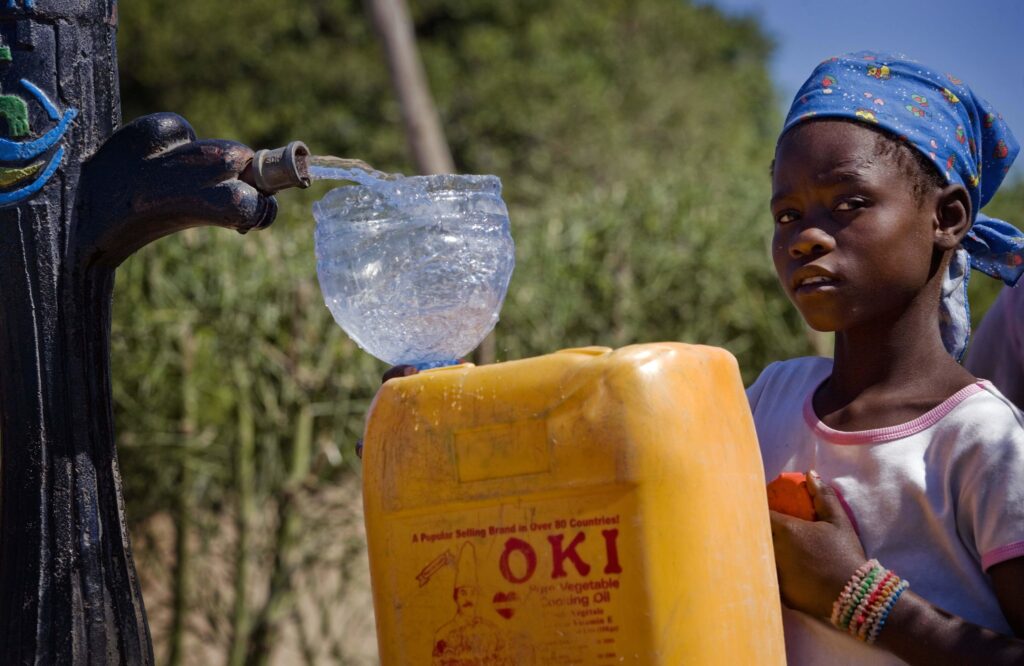
The report highlighted that 89 countries had achieved universal access to at least basic drinking water services by 2024, while 31 of those had reached universal coverage of safely managed water. However, 28 countries—predominantly in Africa—still had over a quarter of their populations without even basic services.
On sanitation, progress was noted, with 1.2 billion people gaining access to safely managed services since 2015, raising coverage from 48 percent to 58 percent. These facilities, as defined by the agencies, ensure safe disposal or treatment of human waste. Open defecation also decreased significantly, with numbers dropping from 783 million in 2015 to 354 million in 2024, accounting for about four percent of the world’s population.
In hygiene, 1.6 billion people gained access to basic services like handwashing facilities with soap and water at home. This raised coverage from 66 percent in 2015 to 80 percent in 2024.
UNICEF’s director for WASH, Cecilia Scharp, emphasized the dire impact of these gaps, especially on children. “When children lack access to safe water, sanitation, and hygiene, their health, education, and futures are put at risk,” she said. She further noted that the inequalities are more severe for girls, who often face the burden of fetching water and additional challenges during menstruation. Scharp warned that at the current pace, the global promise of safe water and sanitation for every child is “slipping further from reach.”
What you should know
The UN’s latest findings show that while progress has been made in expanding access to safe water, sanitation, and hygiene, billions are still left behind.
Africa remains the most affected region, and the world is far from meeting the 2030 goal of universal coverage.
Without urgent acceleration, vulnerable groups, especially children and women, will continue to bear the greatest risks.