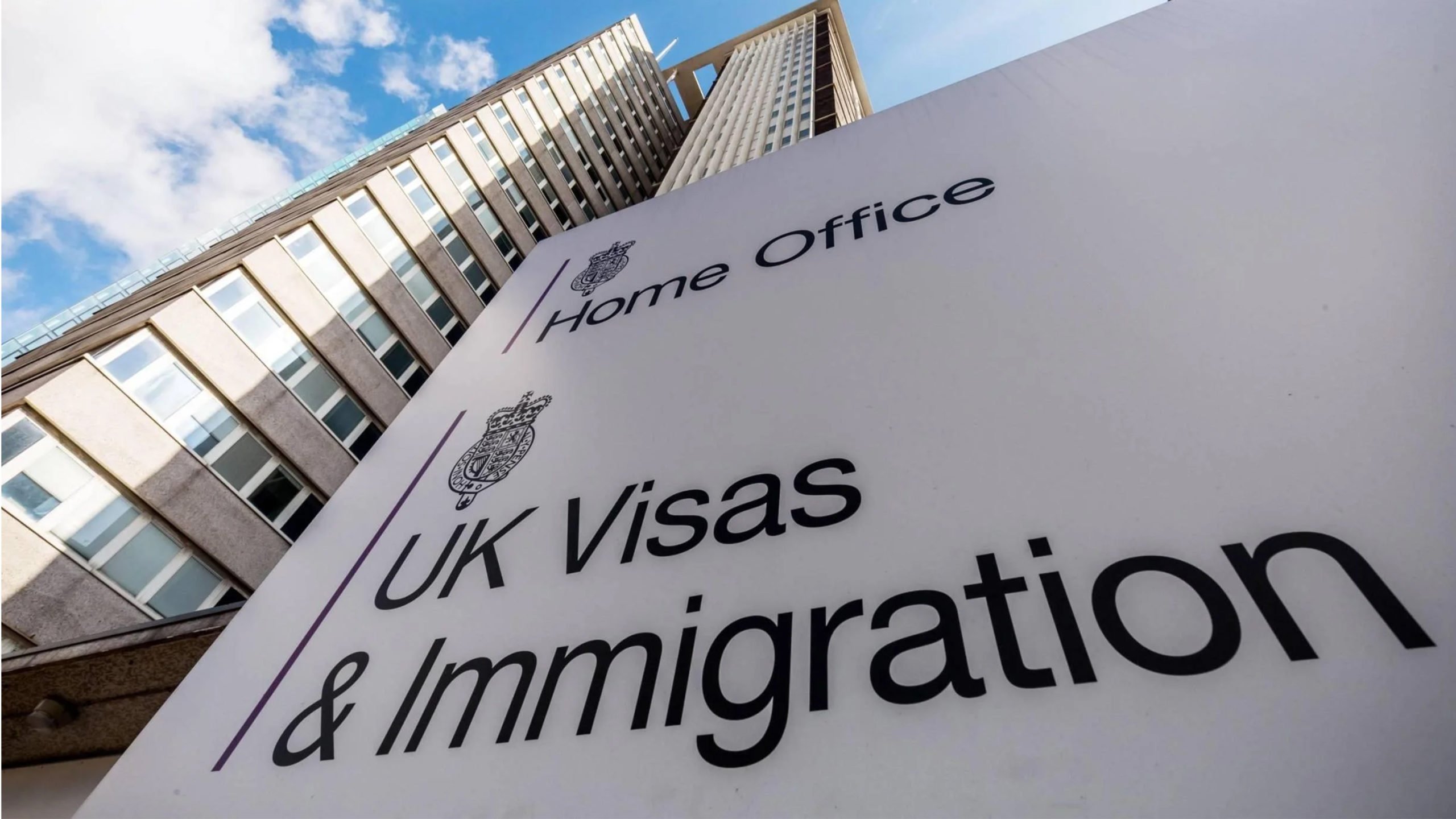
The British High Commission in Abuja has unveiled a transformative shift in the United Kingdom’s visa issuance process for Nigerians seeking entry under study and work visa categories.
According to a statement released on Wednesday, this new policy will come into effect from July 15, 2025. It stipulates that most applicants under these visa categories will no longer be issued the traditional visa stickers in their passports but will instead receive a digital alternative known as an eVisa.
This development is part of the UK government’s larger objective to transition to a fully digital immigration system. The High Commission emphasized that this shift will apply strictly to applications lodged from July 15, 2025, onward.
Individuals who submit their visa applications before this date will still be subjected to the current protocol, which involves leaving their passports at a Visa Application Centre and being issued a physical visa sticker, commonly referred to as a vignette.
The new eVisa system offers a secure, web-based record of an individual’s immigration status, replacing the need for a physical stamp or sticker. However, the High Commission stressed that all applicants—irrespective of the visa type—will still need to attend a Visa Application Centre to complete biometric enrolment as part of the visa processing procedure.
Once a decision has been made on the visa, successful applicants will receive an official email notification from UK Visas and Immigration. This email will include the visa decision and detailed instructions on setting up a UKVI account, which is essential for accessing and managing their eVisa.
Gill Atkinson Obe, the Chargé d’Affaires at the British High Commission in Abuja, described the transition as a significant improvement aimed at simplifying travel procedures for Nigerian nationals. She stated that the move will make it “easier and faster” for Nigerians to enter the United Kingdom for study or employment purposes.
According to her, the new eVisa approach will help create a process that is more efficient, secure, and user-friendly, especially for students, skilled professionals, and their families.
Despite this significant step, the High Commission clarified that not all categories of visa applicants will be affected immediately. Dependants—such as spouses or children—of individuals applying for study or work visas, as well as visitors applying for tourist visas, will continue to receive physical visa vignettes in their passports for the time being.
The High Commission also pointed out that eVisas have already replaced Biometric Residence Permits (BRPs) for individuals who have been granted leave to stay in the UK for periods longer than six months.
Holders of a UKVI account are able to use the “View and Prove” digital service to verify and share their immigration status with relevant third parties, including employers, landlords, or educational institutions in England.
Furthermore, the mission reminded applicants that the issuance of visas remains guided by global technical standards and security frameworks. It reaffirmed the UK government’s commitment to maintaining the integrity of its immigration system while continuing to work closely with the Nigerian government.
The High Commission acknowledged the ongoing efforts by Nigeria’s immigration and security authorities to align their systems with international best practices and expressed optimism about resolving the remaining technical challenges.
The eVisa system is part of a broader immigration strategy initially introduced under the Donald Trump administration’s reciprocal visa framework. This policy affected several countries, including Nigeria, and has led to changes in the duration and frequency of visa issuance based on reciprocal arrangements.
As the UK edges closer to implementing a fully digital immigration landscape, this move signifies a major turning point in how Nigerians—and indeed applicants from around the world—interact with the UK’s immigration infrastructure.
What you should know
Starting July 15, 2025, Nigerians applying for UK study or work visas will receive digital eVisas instead of physical visa stickers. Although the digital shift simplifies the process, applicants must still provide biometrics in person.
Those who apply before July 15 will follow the old method. This policy represents a step toward the UK’s vision of a fully digital immigration system while strengthening ties between the UK and Nigeria.