The United Kingdom has issued a new travel advisory urging its citizens to avoid several parts of Nigeria, citing escalating concerns over terrorism, violent crimes, kidnappings, and intercommunal clashes across the country.
The latest Foreign Travel Advice, published on GOV.UK by the Foreign, Commonwealth and Development Office (FCDO) and sighted on Sunday, warns that “insecurity is increasing across Nigeria,” with incidents of “kidnapping, violent crime, and intercommunal violence” now reported in virtually all regions.
British nationals were advised to exercise extreme caution, regularly review personal safety procedures, and have contingency plans in place. The FCDO strongly discouraged all travel to Borno, Yobe, Adamawa, Gombe, Katsina, and Zamfara States, noting the “high and increasing threat from Boko Haram or Islamic State West Africa,” especially around “transport hubs, religious areas, and large gatherings.”
The advisory also highlighted that humanitarian workers, vehicles, and supplies “can be targeted by terrorists and criminals,” stressing the need for heightened vigilance.
It further advised against all but essential travel to Bauchi, Kaduna, Kano, Kebbi, Jigawa, Sokoto, Niger, Kogi, Plateau, and Taraba States, as well as the outer suburbs of Abuja, warning that violent crimes involving firearms have spread “from the outer suburbs to more central, wealthier areas of the city.”
“British Government staff in Nigeria have been advised to restrict travel to an area broadly within the Abuja metropolitan area,” the statement added.
The FCDO also cautioned that protests in the capital city “can turn violent,” urging citizens to “monitor local media, avoid demonstrations and large gatherings, and follow instructions from local police and security forces.”
In the North-East, the UK painted a particularly troubling picture, noting that “regular military operations are ongoing in Adamawa, Borno and Yobe States,” with a persistent “risk of retaliatory attacks.” British nationals in Maiduguri were warned that further deterioration in security “could make it extremely difficult for you to leave the city.”
The advisory also warned against travel to the riverine areas of Delta, Bayelsa, Rivers, Akwa Ibom, and Cross River States in the South-South, where “militant groups remain active” and have staged attacks on oil and gas infrastructure. It cautioned that “armed robbery, criminality, and kidnapping” are prevalent in the region.
In the South-East, where secessionist activities have been on the rise, the FCDO warned that “attacks and violent clashes often occur with the military and other security forces,” noting that while foreign nationals are not usually targeted, “there is a risk you could be caught in an attack.”
Even in the South-West, including Lagos, the advisory underscored that violent crimes such as “mugging, kidnapping, car-jacking, and armed robbery” are “common, particularly in the larger cities.”
The UK government’s latest warning underscores the deteriorating security situation across Nigeria, calling for vigilance and caution among its nationals living in or visiting the country.
What You Should Know
The UK’s renewed travel advisory reflects global concern over Nigeria’s security challenges, from terrorism in the North-East to militant attacks in the Niger Delta and rising urban crimes in Lagos.
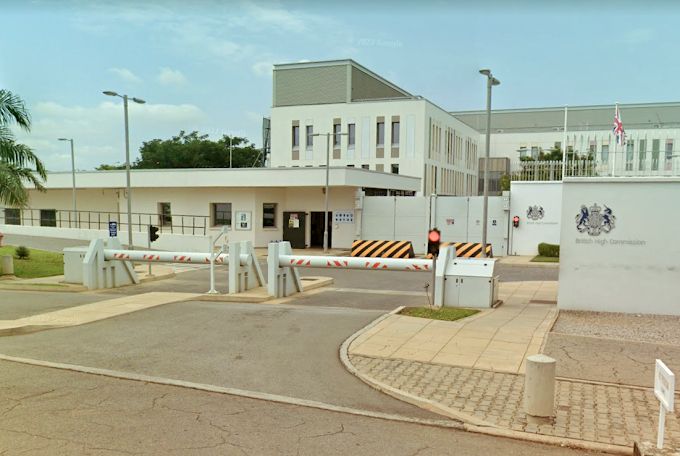
British nationals have been urged to stay within secure areas, avoid large gatherings, and maintain contact with the British High Commission for safety updates.