A Ugandan university student has been sentenced to two months in prison following a social media post that criticized President Yoweri Museveni, raising serious concerns among human rights advocates about the state of free speech in the country ahead of the upcoming general elections.
The student, Elson Tumwine, who is studying agriculture, had been undertaking an internship in Hoima, a district in western Uganda, when he went missing on June 8. After public speculation and rising fears that he had been abducted, Tumwine reappeared last week at a police station, where he was formally charged in connection with a TikTok video.
Authorities accused Tumwine of posting a manipulated video clip on the social media platform. The video, which went viral, appeared to show Uganda’s Speaker of Parliament, Anita Among, levelling serious accusations against President Museveni. According to the police, the clip had been edited in a way that falsely portrayed the Speaker making damaging allegations about the President’s past actions.
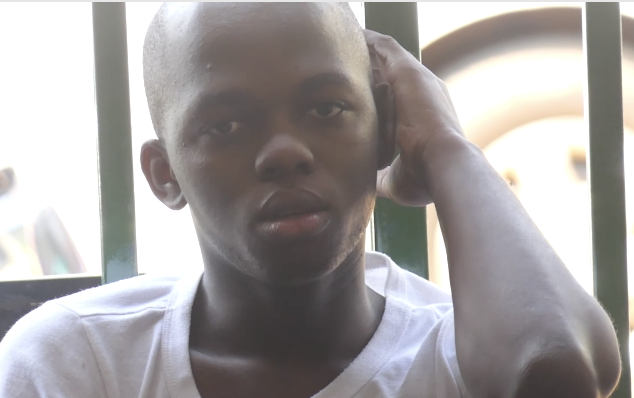
Tumwine was arraigned in a court in Entebbe, located in central Uganda, where he admitted to the charge of offensive communication and issued an apology for the content he shared. Police spokesperson Kituuma Rusoke, speaking to AFP, said the video was crafted to “ridicule, demean and incite hostility against the president of Uganda and the speaker of parliament, Anita Among.”
The arrest and sentencing of Tumwine have triggered an outcry among rights defenders and legal advocates. Kato Tumusiime, a human rights lawyer, criticized the government’s approach to dissent and expression, arguing that Tumwine’s case is not an isolated one. According to him, an increasing number of Ugandans are being targeted for their activity on social media platforms, especially when such content is deemed critical of the country’s leadership.
“We are seeing a worrying trend of social media users being charged with similar offences as Tumwine on the pretext of ridiculing and demeaning the president as we head to the general elections,” Tumusiime told AFP.
President Museveni, who has led Uganda since 1986, is preparing to run for re-election in January, a move that would further extend his four-decade-long leadership. As the elections draw closer, rights organizations have repeatedly raised alarms about the tightening grip on civil liberties and freedom of expression in the country.
Tumwine’s case follows that of another Ugandan social media user who was convicted in November for a TikTok post prosecutors claimed had insulted the president. The growing number of such prosecutions has fueled fears that Uganda is increasingly cracking down on online expression in a bid to silence dissent.
What you should know
Elson Tumwine’s conviction is the latest example of Uganda’s shrinking space for online freedom as the nation approaches another critical election cycle.
Rights groups view the use of laws against offensive communication as a strategy to suppress political criticism and discourage young citizens from expressing dissent on digital platforms.