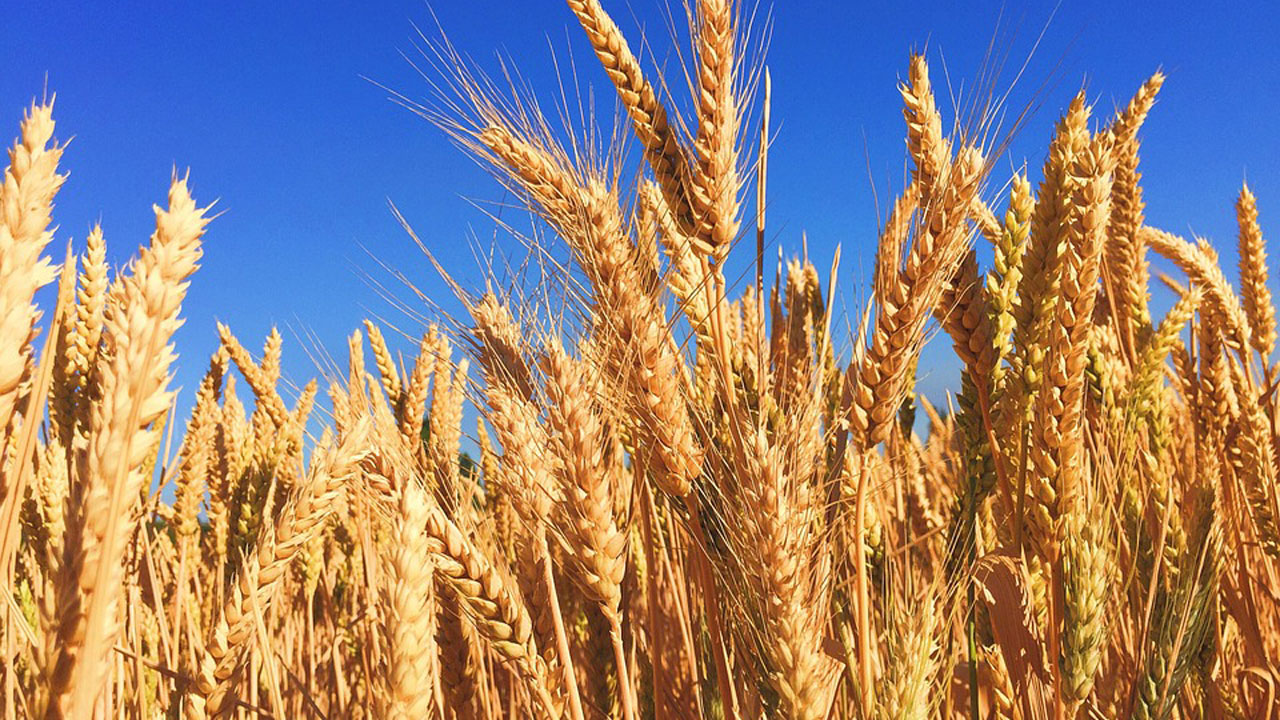
Agricultural trade between the United States and Nigeria is projected to surpass $700 million in 2025, more than doubling from previous years, according to an announcement from the U.S. Mission in Nigeria.
The dramatic increase reflects strengthening economic ties and Nigeria’s growing dependence on imported wheat to meet domestic food demand.
“In 2025, U.S.-Nigeria agricultural trade is on track to more than double to over $700 million, benefiting farmers, businesses, and consumers on both sides of the Atlantic,” the U.S. Mission stated in a social media post Tuesday, underscoring the bilateral relationship’s expanding agricultural dimension.
Wheat Anchors Growing Trade Partnership
The surge in agricultural commerce is powered primarily by wheat shipments arriving at Nigerian ports. Nigeria’s per capita wheat consumption reaches approximately 25 kilograms annually, exceeding the West and Central African average of about 20 kilograms, driven by urbanization and the proliferation of Western-style convenience foods.
Wheat-based products have become dietary staples across Nigeria’s cities and towns. Bread accounts for roughly 70 percent of flour consumption, with the remainder going toward pasta, noodles, pastries, and other baked goods that feed millions daily. These products have transcended their status as imported luxuries to become essential components of the Nigerian diet.
Domestic wheat production accounts for less than one percent of flour produced by major milling companies, largely because locally grown wheat has lower protein content unsuitable for bread and pasta manufacturing.
Flour Mills of Nigeria: The Import Linchpin
At the center of this trade relationship stands Flour Mills of Nigeria (FMN), identified by the U.S. Mission as “one of the largest importers of U.S. wheat in Nigeria.” The industrial giant processes massive volumes of American wheat to sustain its milling and food-processing operations, producing flour under its Golden Penny brand alongside pasta, noodles, and various bakery products distributed throughout Nigeria and neighboring West African markets.
Recent trade data indicates Flour Mills of Nigeria FZE captured approximately 3.2 percent of the global wheat import market, with purchases valued at $695.32 million, demonstrating the company’s substantial role in international grain commerce.
Economic Recovery Fuels Import Growth
U.S. exporters have reported increased wheat sales to Nigeria in the first quarter of marketing year 2024/2025 compared to the previous year, attributed to economic stabilization in Nigeria and higher U.S. wheat stocks relative to other global exporters. This upswing comes after Nigeria implemented significant economic reforms, including fuel subsidy removal and exchange rate unification, which initially created challenges but are now contributing to market stabilization.
Wheat flour millers have noted that the stabilization of the foreign exchange rate has improved business market conditions, enabling importers to make more profitable decisions. Additionally, Nigeria’s temporary waiver of import tariffs and duties on wheat through December 2024 aimed to lower prices and increase accessibility, though implementation challenges limited its immediate impact.
Broader Trade Context
The expanding U.S.-Nigeria agricultural relationship exists within a complex global trade landscape. According to Nigerian trade statistics from the first quarter of 2025, the United States supplied goods worth N1.42 trillion (approximately $900 million), representing 9.22 percent of total imports—making America the third-largest source of imports after China and India.
China dominated with N4.66 trillion in exports to Nigeria, capturing nearly one-third of total imports, while India held the second position with N1.72 trillion. European nations including the Netherlands, Belgium, Spain, and the United Kingdom, along with the United Arab Emirates, Brazil, and Saudi Arabia, supplied smaller shares primarily in industrial goods, food products, and machinery.
On the export side, Nigeria’s outbound trade flows primarily toward Europe, which received N8.64 trillion or 42 percent of total exports, followed by Asia at N6.75 trillion (33 percent). Exports to the Americas totaled N3.33 trillion, representing approximately 16 percent of Nigeria’s total export value.
Looking Ahead
Wheat imports are projected to reach 6.7 million tonnes in marketing year 2025/26, an increase from 6.25 million tonnes the previous year, driven by a more stable foreign exchange rate, improved consumer purchasing power, and lower global grain prices.
The trajectory of U.S.-Nigeria agricultural trade reflects both nations’ interdependence: American farmers gain a crucial export market for surplus grain production, while Nigeria secures essential food supplies for its rapidly growing population of over 200 million people. With urbanization accelerating and wheat-based foods becoming ever more entrenched in Nigerian food culture, this transatlantic agricultural partnership appears positioned for continued expansion in the years ahead.
WHAT YOU SHOULD KNOW
U.S.-Nigeria agricultural trade is set to exceed $700 million in 2025—more than double previous levels—driven almost entirely by Nigeria’s heavy dependence on American wheat imports. With domestic wheat production accounting for less than 1% of milling needs, Nigeria relies on foreign suppliers to feed its 200 million people, making companies like Flour Mills of Nigeria major conduits for U.S. grain.
This trade surge benefits American farmers while highlighting Nigeria’s critical food security vulnerability: the country cannot produce the wheat its population now depends on for daily staples like bread, noodles, and pasta. Economic stabilization and favorable exchange rates are enabling increased imports, but the fundamental issue remains—Nigeria’s food sovereignty is tied to international supply chains, leaving it exposed to global price shocks and geopolitical disruptions.