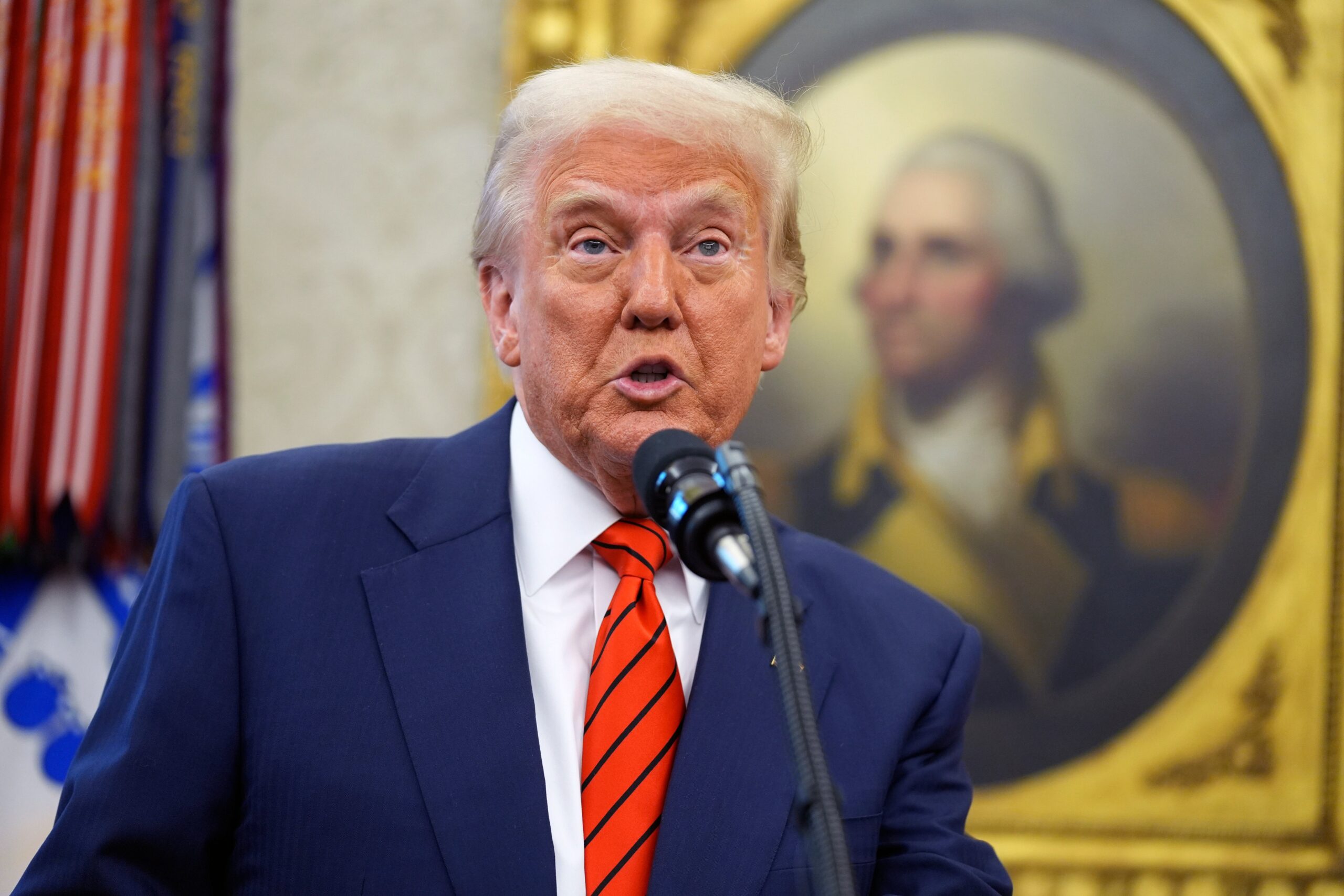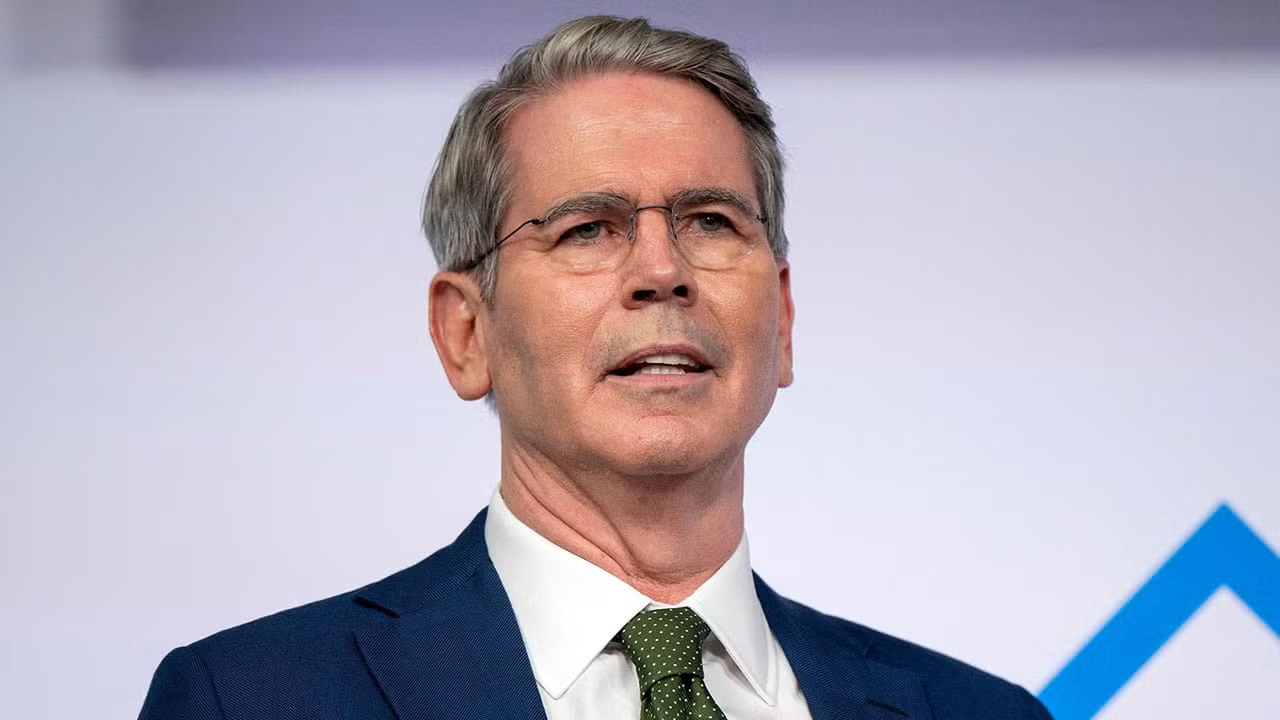
U.S. Treasury Secretary Scott Bessent announced on Tuesday that he will hold critical trade talks with his Chinese counterpart in Stockholm next week, with discussions likely centering on extending the August 12 deadline for escalated tariffs as the two economic superpowers navigate what he characterized as an increasingly “constructive” relationship.
Speaking on Fox Business Network’s “Mornings With Maria,” Bessent painted an optimistic picture of current U.S.-China trade dynamics, describing bilateral commerce as being in “a very good place” ahead of the Monday and Tuesday meetings in the Swedish capital.
“I think we’ve moved to a new level with China, where it’s very constructive, and… we’re going to be able to get a lot of things done now that trade has kind of settled in at a good level,” Bessent said, suggesting a marked departure from the trade tensions that have characterized U.S.-China relations in recent years.
Beyond Tariffs: A Broader Economic Agenda
The Stockholm discussions represent a significant expansion beyond the scope of previous negotiations, which primarily focused on restarting Chinese rare earth metal exports and U.S. semiconductor technology transfers. This time, Bessent indicated that Trump administration officials plan to address China’s fundamental economic structure, specifically targeting what he described as the country’s “over-reliance on manufacturing and exports.”
“Hopefully we can see the Chinese pull back on some of this glut of manufacturing that they’re doing and concentrate on building a consumer economy,” Bessent said, echoing longstanding U.S. concerns about Chinese industrial overcapacity that American officials argue creates unfair competitive advantages in global markets.
Sanctions Enforcement Takes Center Stage
The Treasury Secretary made clear that trade issues would not dominate the agenda alone. He plans to issue stark warnings to Chinese officials regarding Beijing’s continued purchases of sanctioned Russian and Iranian oil, as well as China’s support for Russia’s ongoing military operations in Ukraine.
Bessent revealed that bipartisan legislation in the U.S. Senate would impose devastating 100% tariffs on goods from countries that continue purchasing Russian oil, with China and India as primary targets. The proposal underscores growing congressional frustration with what lawmakers view as sanctions circumvention by major economies.
“I’m going to be in touch with my European counterparts,” Bessent said, directing pointed criticism at European allies. “The Europeans that have talked a big game about sanctioning Russia, and it’ll be very important for the Europeans to also be willing to put on this high level of secondary tariffs for sanctioned Russian oil.”
Global Trade Realignment on the Horizon
Beyond the China talks, Bessent suggested the U.S. is preparing to announce “a rash of trade deals” with multiple countries, potentially including Japan, despite recent electoral setbacks for Tokyo’s ruling party that have complicated negotiations.
“I wouldn’t be surprised if we aren’t able to iron out something with Japan pretty quickly,” he said, indicating that diplomatic momentum could overcome domestic political challenges in key partner nations.
However, the Treasury Secretary also hinted at broader tariff adjustments, suggesting that levies on most countries would “boomerang” back toward April 2 levels from the current 10%, though he left room for continued negotiations on comprehensive trade agreements.
The Stockholm meetings come at a pivotal moment for global trade relations, with the August 12 tariff deadline looming and international pressure mounting over sanctions enforcement. Bessent’s comments suggest the Trump administration views the current period as an opportunity to reshape not just bilateral trade flows, but fundamental aspects of how major economies structure their relationships in an increasingly multipolar world.
The success or failure of next week’s discussions could set the tone for U.S.-China economic relations for months to come, with implications extending far beyond trade statistics to encompass geopolitical alignment and sanctions enforcement in an era of great power competition.
WHAT YOU SHOULD KNOW
U.S. Treasury Secretary Scott Bessent will meet with China’s finance chief in Stockholm next week to likely extend the August 12 tariff deadline, marking a significant shift toward more cooperative U.S.-China trade relations.
However, the talks will expand beyond traditional trade issues to address China’s manufacturing overcapacity and, crucially, to warn Beijing about continuing to purchase sanctioned Russian oil amid the Ukraine war.
This represents a pivotal moment where economic negotiations are becoming intertwined with geopolitical enforcement, potentially reshaping how the world’s two largest economies interact on both trade and security matters.