Two members of Iran’s Islamic Revolutionary Guard Corps (IRGC) lost their lives on Sunday while attempting to neutralize unexploded ordnance left behind after last month’s Israeli airstrikes in the western city of Khorramabad.
The development marks the latest fallout from the intense 12-day war between Israel and Iran that erupted in mid-June.
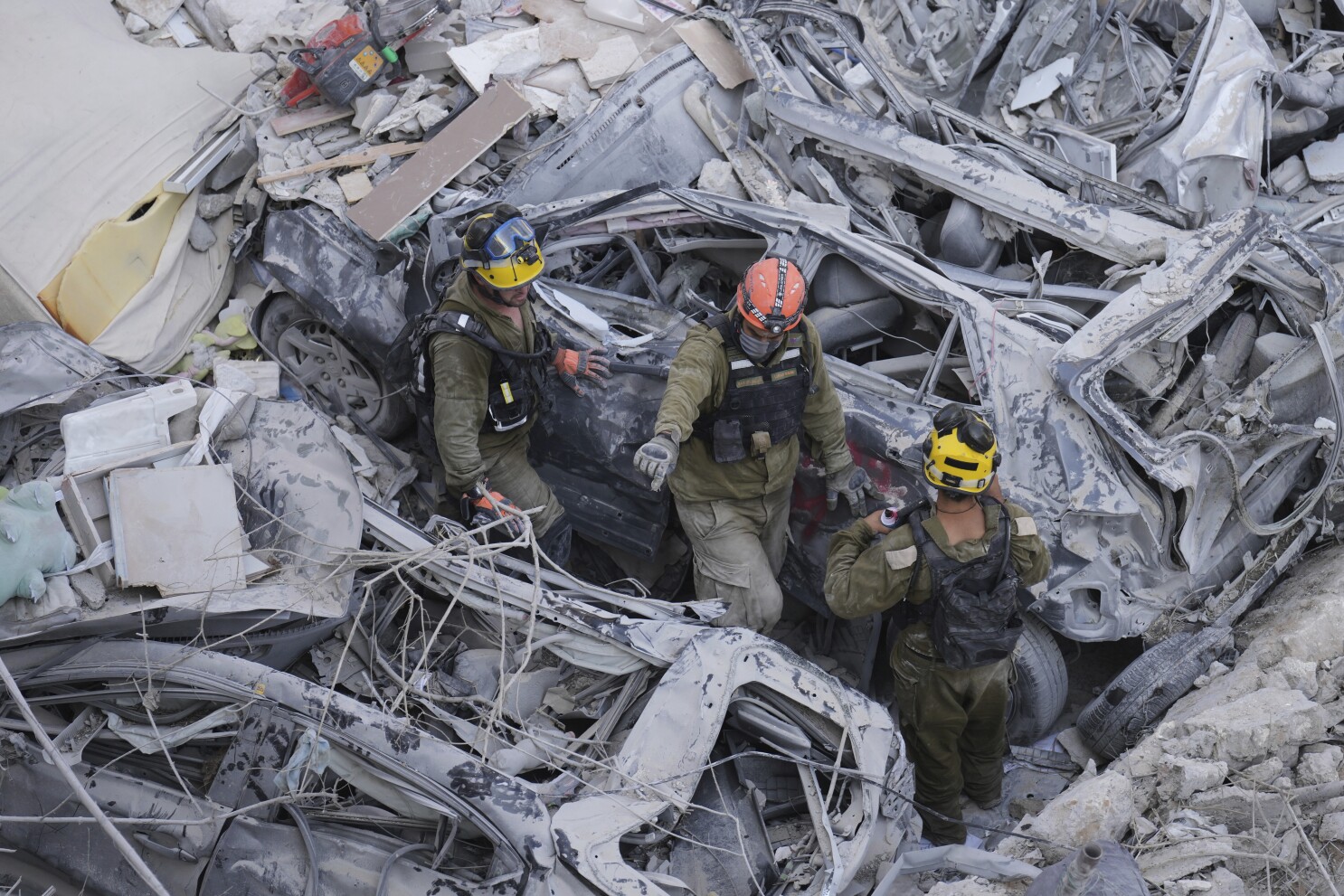
Iranian state-affiliated Tasnim news agency, citing an official IRGC statement, reported that the two guardsmen were part of a bomb disposal operation in a region that bore the brunt of Israel’s aerial assault. “Two members of the Guards were killed Sunday in Khorramabad while clearing the area of explosives left by the Zionist regime’s aggression,” the statement read, using the Iranian government’s common designation for Israel.
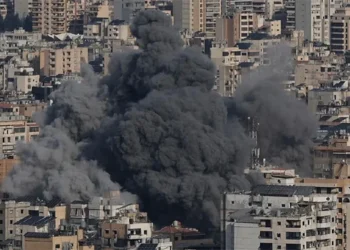
The recent conflict, which began on June 13 with a sustained bombing campaign by Israel, was one of the most direct and deadly exchanges ever between the two longtime regional adversaries. Israel justified the offensive by citing its intent to disrupt what it alleges are Iran’s covert efforts to develop nuclear weapons, an accusation Tehran has consistently denied, maintaining that its nuclear program is strictly peaceful.
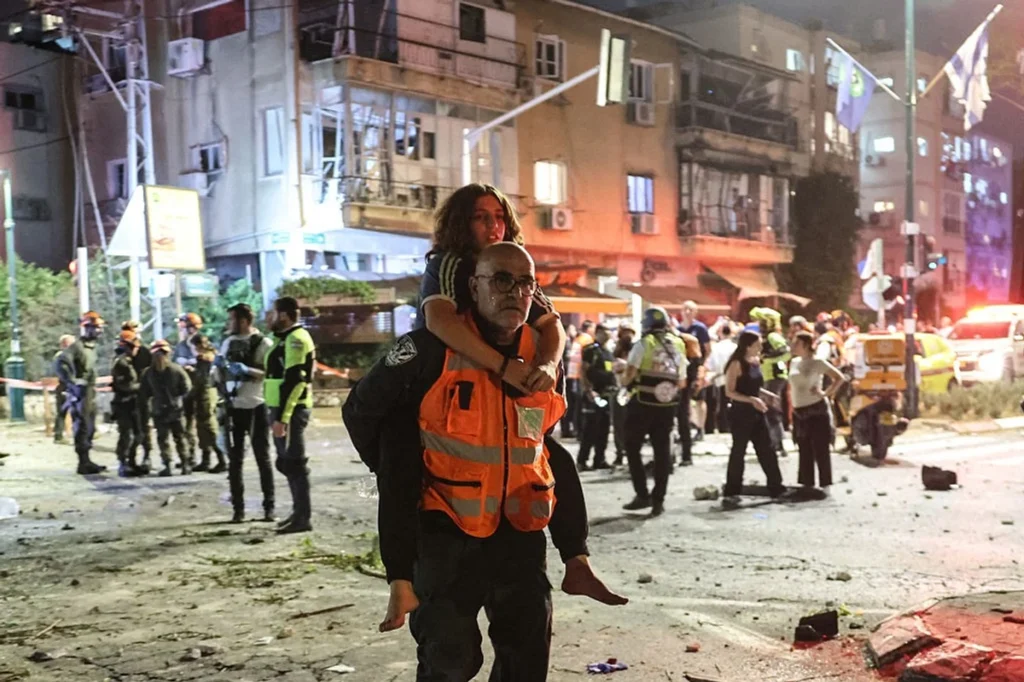
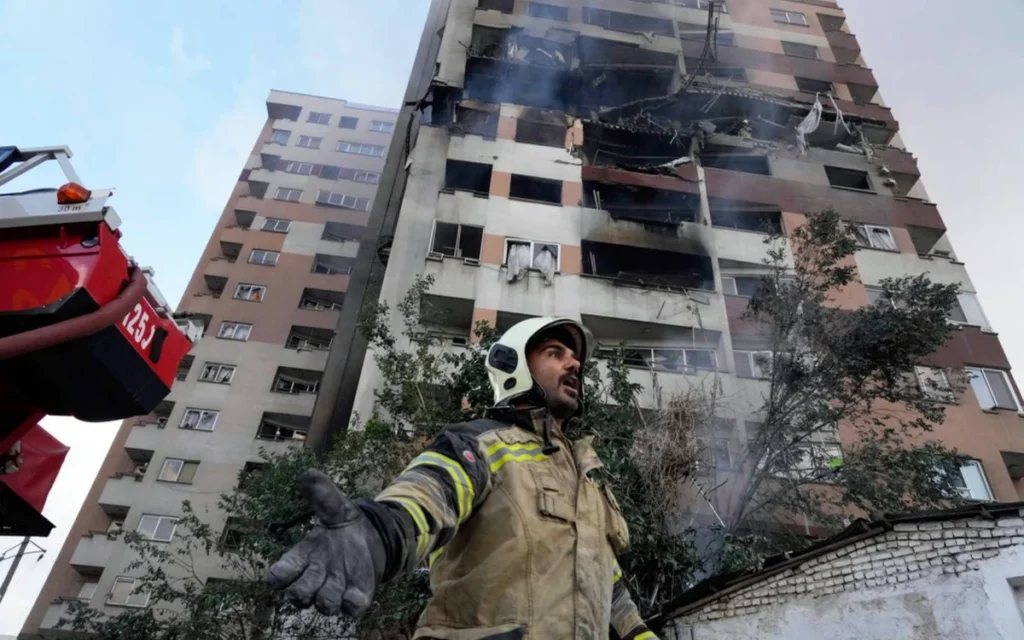
During the nearly two-week-long war, Israeli strikes reportedly targeted high-value assets within Iran, killing senior military figures, including top commanders of the Revolutionary Guards and key nuclear scientists. Iran’s judiciary later revealed that more than 900 people were killed across the country during the hostilities.
In retaliation, Iran launched a series of missile attacks that struck multiple locations in Israel. According to Israeli officials, at least 28 people were killed in those barrages. The exchange left both nations grappling with casualties, infrastructure damage, and heightened regional tensions, drawing concern from international observers over the potential for a broader conflict in the Middle East.
A ceasefire agreement between the two nations took effect on June 24, effectively halting the hostilities, though the current situation remains fragile. Since then, both governments have been focused on recovery and reasserting internal stability, with Iran particularly engaged in clearing debris and unexploded munitions from impacted areas.
This latest tragedy in Khorramabad underscores the lingering dangers in post-conflict zones, especially for military personnel and civilians exposed to hidden or unstable explosives.
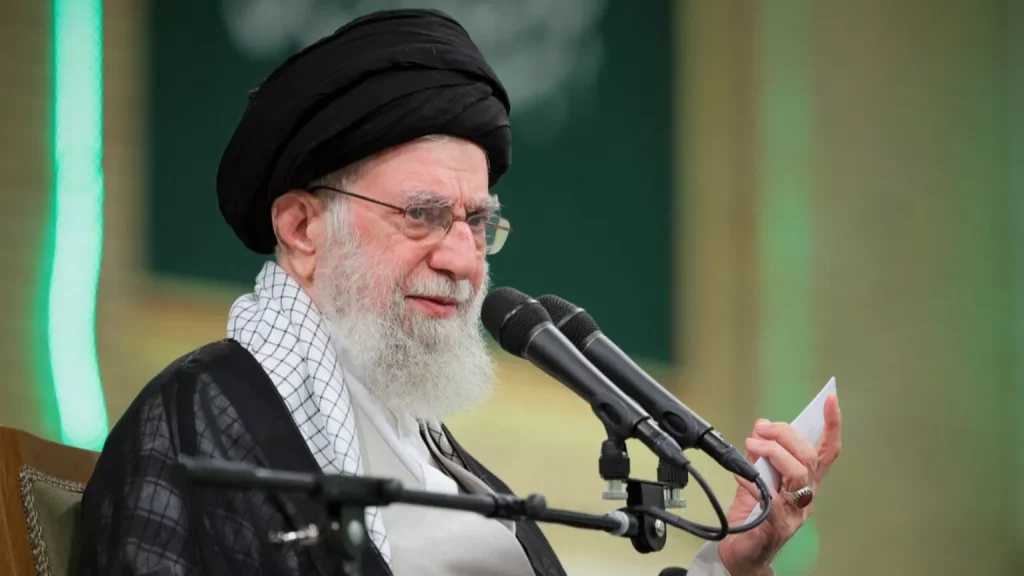
On Saturday, Iran’s Supreme Leader Ayatollah Ali Khamenei made his first public appearance since the conflict erupted. State media reported that he took part in a religious gathering in Tehran, a move seen as an effort to project calm and reassure the nation following weeks of tension and bloodshed.
In another sign of normalization, Iran officially reopened its airspace on Thursday, including over the capital, Tehran. The airspace had been closed since June 13, the first day of the conflict, reflecting the intensity and scope of the threat posed by Israeli aerial incursions.
The two Guardsmen killed on Sunday have not yet been named, but local officials said preparations were underway for their burial with full military honors.
What you should know
Two members of Iran’s elite Revolutionary Guard were killed while defusing unexploded ordnance in Khorramabad, weeks after Israeli airstrikes devastated parts of Iran.
The June war, sparked by Israel’s effort to halt Iran’s alleged nuclear ambitions, killed over 900 in Iran and at least 28 in Israel. Though a ceasefire took effect on June 24, post-war hazards like buried explosives continue to claim lives.