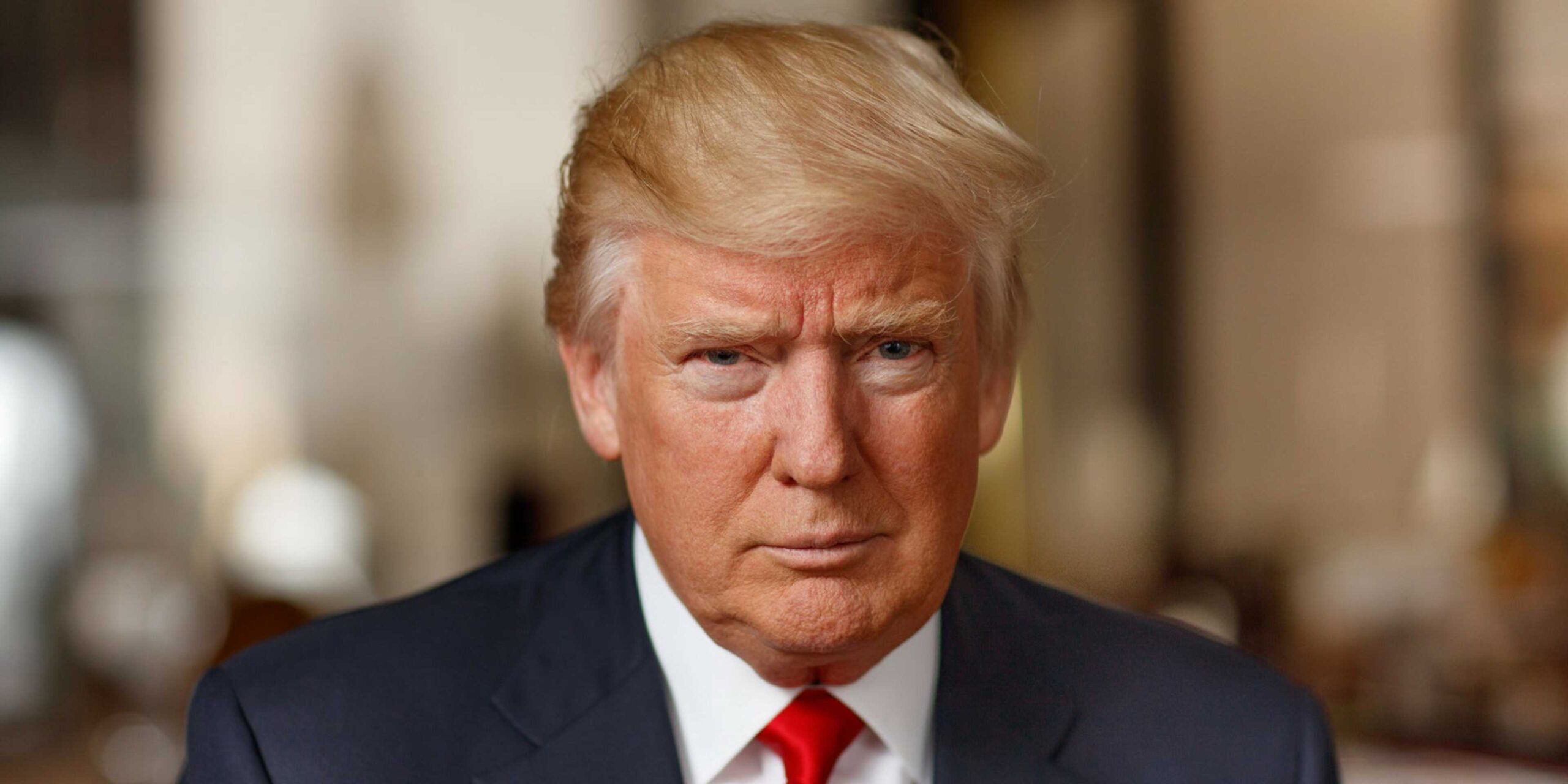
President Donald Trump announced on Sunday that the United States will impose an additional 10% tariff on any country aligning with what he termed the “anti-American policies” of the BRICS economic bloc, just as leaders from the developing world’s most influential nations convened for their annual summit in Brazil.
The timing of Trump’s threat, delivered via his Truth Social platform, appeared calculated to overshadow the gathering of BRICS leaders at Rio de Janeiro’s Museum of Modern Art, where representatives from Brazil, Russia, India, China, and South Africa—along with newer members—are positioning their alliance as an alternative to Western-dominated global institutions.
A New Economic Battleground
The confrontation highlights the deepening schism between Trump’s “America First” approach and the BRICS nations’ vision of a multipolar world order. With the expanded BRICS bloc now representing over half the world’s population and 40% of global economic output, the stakes have never been higher.
“BRICS is the heir to the Non-Aligned Movement,” declared Brazilian President Luiz Inácio Lula da Silva in his opening remarks, drawing parallels to the Cold War-era coalition of developing nations that refused to choose sides between superpowers. “With multilateralism under attack, our autonomy is in check once again.”
The BRICS joint statement, released hours before Trump’s tariff threat, appeared to anticipate the escalation, warning that rising tariffs threatened global trade in what amounted to a veiled criticism of U.S. trade policies.
Diplomatic Complexity and Economic Pressure
Trump’s ultimatum comes as his administration races against a July 9 deadline to finalize trade deals with numerous countries before implementing what officials describe as “retaliatory tariffs.” The president’s post offered no clarification of what specific “anti-American policies” would trigger the additional tariffs, leaving potential targets uncertain about the criteria for punishment.
The threat carries particular weight given BRICS’ recent expansion. The original four-nation group has grown to include Egypt, Ethiopia, Indonesia, Iran, and the United Arab Emirates, with Saudi Arabia still deliberating formal membership. Another 30 nations have expressed interest in joining either as full members or partners, creating a complex web of potential targets for Trump’s tariff policy.
High-Stakes Diplomacy
The diplomatic maneuvering was evident in the summit’s composition. Chinese President Xi Jinping notably sent his premier instead of attending personally, while Russian President Vladimir Putin participated virtually due to an International Criminal Court arrest warrant related to Ukraine. Despite these absences, the gathering still drew Indian Prime Minister Narendra Modi and South African President Cyril Ramaphosa, among other heads of state.
Indonesia’s participation proved particularly significant, with senior economic minister Airlangga Hartarto scheduled to travel directly from the Rio summit to the United States on Monday for tariff negotiations—a journey that now carries added urgency following Trump’s threat.
Beyond Trade: A Vision for Global Governance
The BRICS summit agenda extends far beyond trade disputes, encompassing calls for reforming global institutions like the UN Security Council and the International Monetary Fund. The leaders’ joint statement addressed flashpoints from Gaza to Kashmir while backing Ethiopia and Iran’s bids to join the World Trade Organization.
The group also announced plans to pilot a BRICS Multilateral Guarantees initiative through their New Development Bank, aimed at reducing financing costs and boosting investment in member states—a direct challenge to Western-dominated financial institutions.
Climate and Technology Divides
The summit highlighted other areas where BRICS nations are charting an independent course. Brazil, which will host the UN climate summit in November, used the gathering to showcase developing nations’ climate commitments, standing in stark contrast to Trump’s rollback of U.S. climate initiatives.
On artificial intelligence, the leaders called for protections against unauthorized use and mechanisms for fair payment—positions that could put them at odds with U.S. tech policies.
An Uncertain Future
As the summit continues on Monday, the question remains whether Trump’s tariff threat will push BRICS nations closer together or create fractures within the increasingly diverse coalition. With regional rivals now sitting at the same table and major emerging economies pursuing different priorities, the bloc faces its own internal challenges while navigating external pressure from Washington.
The outcome of this confrontation could reshape global trade patterns and determine whether the 21st century’s economic order will be dominated by U.S. unilateralism or the multipolar vision championed by the world’s developing nations.
WHAT YOU SHOULD KNOW
President Trump has escalated global trade tensions by threatening a 10% tariff on any country that aligns with BRICS nations, just as this expanding bloc of developing countries—representing over half the world’s population and 40% of global economic output—positions itself as an alternative to Western-dominated institutions.
This confrontation marks a critical moment in determining whether the global economy will be shaped by American unilateralism or a multipolar order led by emerging powers, with potentially massive implications for international trade, diplomacy, and economic alliances worldwide.