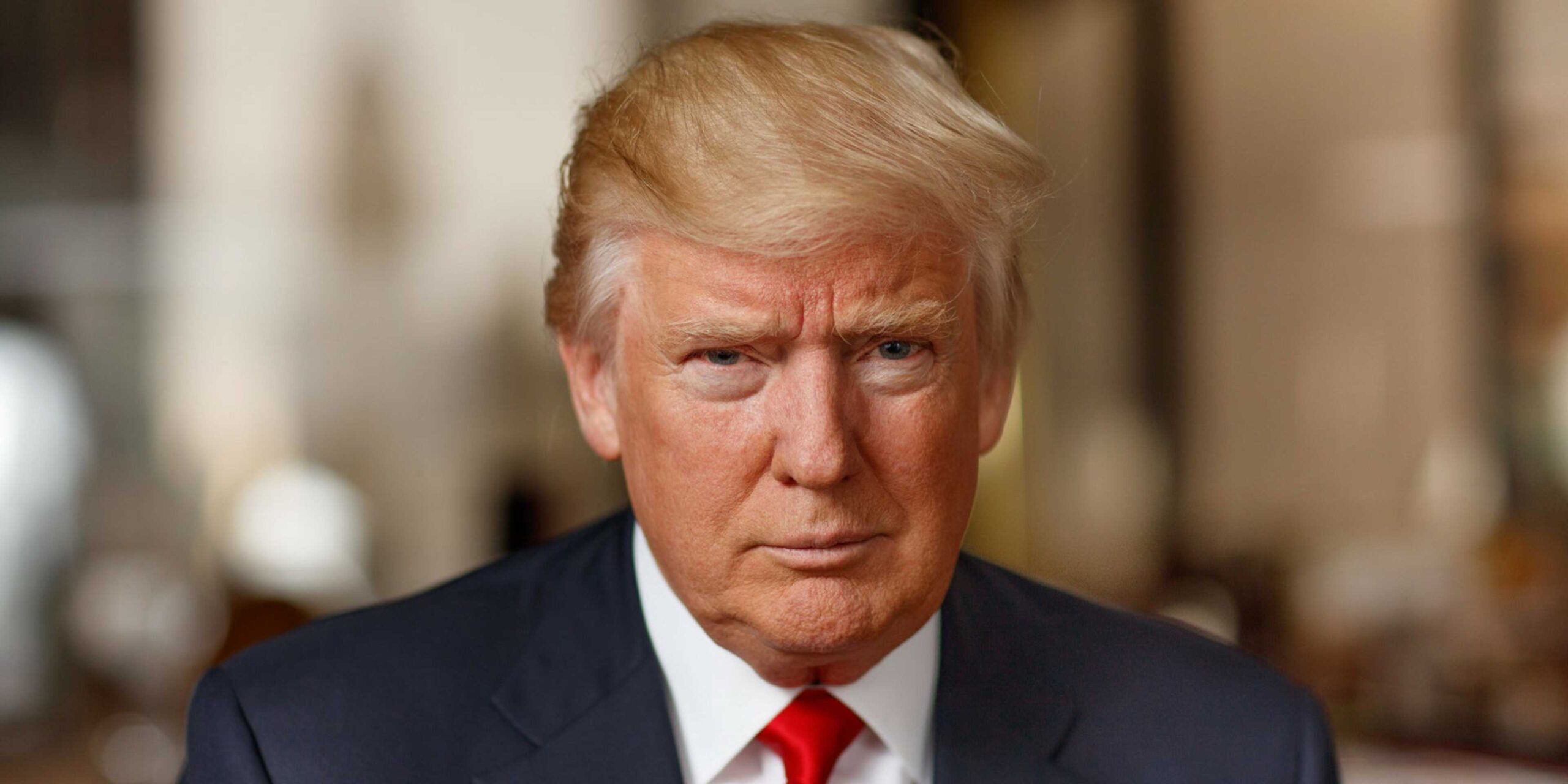
In a sweeping but calculated move, U.S. President Donald Trump on Wednesday imposed a 50% tariff on most Brazilian goods in what he described as retaliation against an alleged “witch hunt” targeting Brazilian President Jair Bolsonaro.
While the action raised immediate concerns in Brazil’s economic and political circles, the sting was softened by critical sector exemptions that helped calm market nerves—at least temporarily.
The White House, in a statement accompanying Trump’s executive order, linked the steep tariffs directly to Bolsonaro’s ongoing legal troubles in Brazil. Bolsonaro is currently standing trial for allegedly orchestrating a coup attempt following his 2022 electoral defeat.
The U.S. administration further escalated diplomatic tensions by slapping sanctions on a Brazilian Supreme Court justice overseeing Bolsonaro’s trial, accusing the judge of overstepping legal boundaries and suppressing free speech.
Despite the aggressive tone of the executive order, it stopped short of a full-scale trade disruption. Key Brazilian exports—such as civil aircraft, wood pulp, pig iron, energy products, fertilizers, and precious metals—were excluded from the tariffs. This came as a major relief to stakeholders in Brasília, especially those tied to major exporters like aircraft manufacturer Embraer and pulp giant Suzano.
“We’re not facing the worst-case scenario,” Brazil’s Treasury Secretary Rogerio Ceron told reporters, calling it “a more benign outcome than it could have been.”
Markets responded quickly to the partial reprieve. Embraer shares surged 11% in São Paulo, while Suzano gained over 1% in afternoon trading, reflecting investor relief that their core exports were spared.
Yet caution loomed over the celebration. Former Brazilian trade secretary Welber Barral warned that the U.S. tariff list covers thousands of product categories, and the exemptions apply to only a small portion. “There will be an impact,” Barral said, pointing out that vital exports like beef and coffee—mainstays of Brazil’s agricultural economy—were not spared.
The Brazilian meat industry, represented by lobbying group Abiec, had previously warned the tariffs would make exports to the U.S. “inviable.” Major players such as JBS and Marfrig now face tough questions about future trade with the American market.
Adding to the confusion, Brazilian energy companies opted to halt oil shipments to the U.S., despite explicit language in the executive order exempting energy products. The decision signals lingering uncertainty among exporters unsure how the order will be enforced in practice.
As Brazil weighs its next steps, the tariff fallout underscores a broader clash between political ideologies and economic realities. President Luiz Inácio Lula da Silva’s government must now tread carefully, balancing diplomatic protests with strategic economic shielding to protect Brazil’s vulnerable exports.
While Wall Street and São Paulo investors may have found temporary comfort in the partial exclusions, the broader implications of the U.S. move are far from resolved—especially with the 2024 U.S. elections looming and Trump eyeing a return to power.
WHAT YOU SHOULD KNOW
Trump imposed a 50% tariff on most Brazilian goods in protest of Bolsonaro’s trial, but spared key sectors like aircraft and energy—easing market fears while still threatening major exports like beef and coffee.