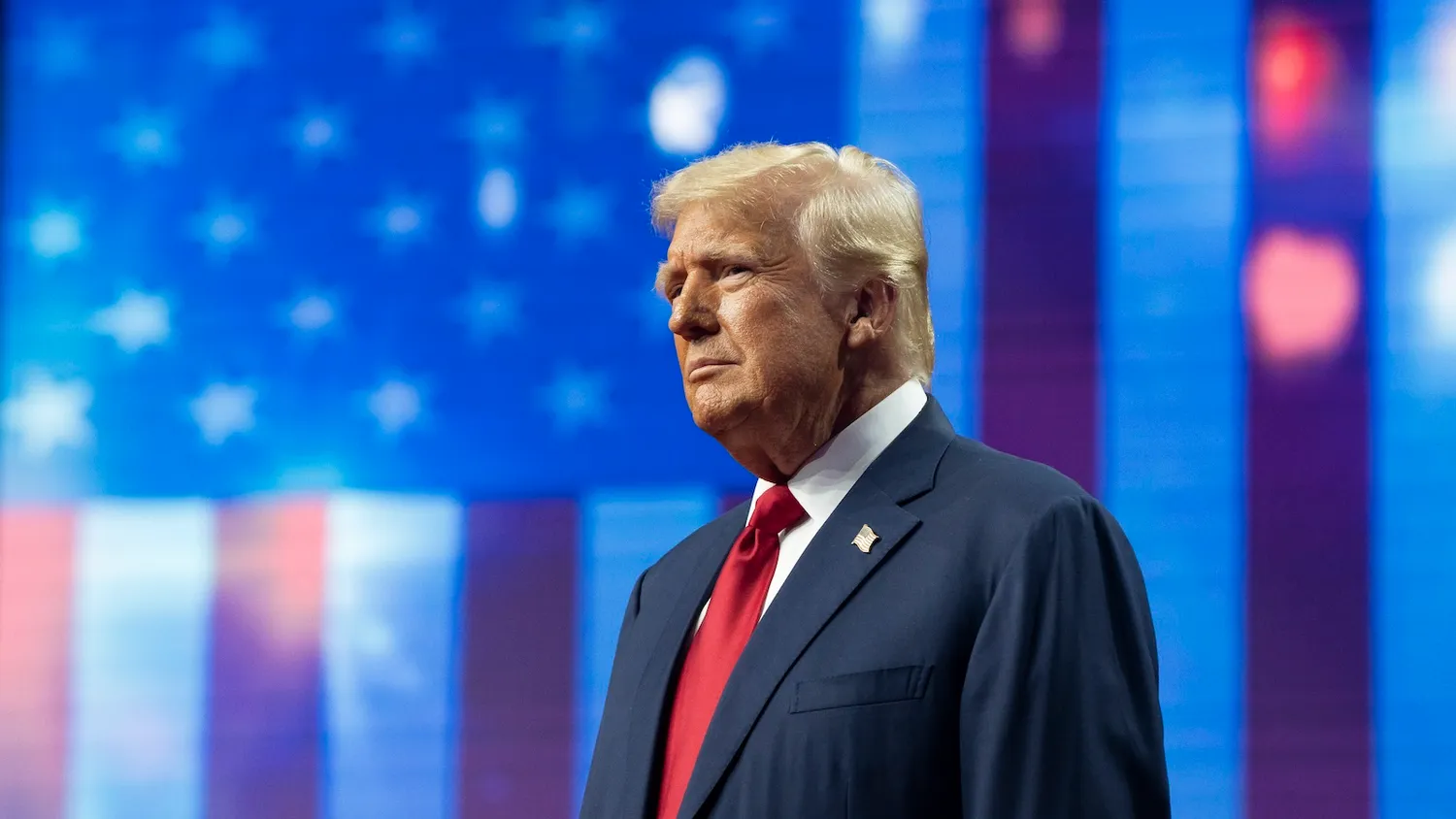
President Donald Trump escalated his administration’s economic warfare against Cuba on Thursday, signing an executive order that threatens to impose additional tariffs on any nation selling oil to the communist-led island, in what marks the latest phase of a coordinated strategy to isolate Havana diplomatically and economically.
The executive order, which invokes emergency powers typically reserved for acute national security threats, leaves critical details unspecified—including the magnitude of potential tariffs and which countries would face penalties. Those determinations have been delegated to the Secretary of Commerce, creating uncertainty in global oil markets and among Cuba’s trading partners.
The move represents the second phase of what appears to be a comprehensive strategy targeting Cuba’s economic lifelines. The island nation, which has operated under a U.S. embargo for more than six decades, historically relied on Venezuela for the bulk of its oil imports. However, that supply chain has been severely disrupted following Washington’s recent actions to remove Venezuelan President Nicolás Maduro from power and assert control over Venezuelan oil exports.
With the Venezuela pipeline effectively severed, Trump has now turned his attention to other suppliers, vowing to “completely cut off oil and money going to Cuba.” In a characteristically blunt social media post, the president issued what amounted to an ultimatum: “I strongly suggest they make a deal BEFORE IT IS TOO LATE.”
What remains unclear is the substance of any potential deal the administration might be seeking with Havana. U.S. officials have offered no public details about what concessions or policy changes would satisfy Washington’s demands, leaving observers to speculate about whether the administration seeks regime change, policy reforms, or some other outcome.
The executive order draws its authority from the International Emergency Economic Powers Act (IEEPA), a Cold War-era statute that grants the president broad powers to regulate commerce during national emergencies. The order formally declares Cuba’s government an “extraordinary threat” to U.S. national security—a designation that carries significant legal weight.
In language echoing previous administrations’ justifications for Cuba policy, the order accuses the Havana government of aligning itself with “numerous hostile countries, transnational terrorist groups, and malign actors adverse to the United States,” specifically naming Russia, China, Iran, Hamas, and Hezbollah.
This legal approach carries its own risks for the administration. Other tariffs imposed under IEEPA authority are currently facing a challenge before the Supreme Court, potentially creating a precedent that could affect the Cuba order’s implementation or longevity.
Cuba’s Foreign Minister Bruno Rodríguez condemned the action in forceful terms, characterizing it on X (formerly Twitter) as a “brutal act of aggression against Cuba and its people, who for more than 65 years have been subjected to the longest and cruelest economic blockade ever imposed.”
The order’s real-world impact may hinge largely on Mexico’s response. The United States’ southern neighbor has emerged as a significant oil supplier to Cuba in recent months, partially filling the void left by Venezuela’s reduced shipments. Media reports have suggested that Mexican oil flows to Cuba may already be declining under pressure from the Trump administration, though confirmation remains elusive.
At a press conference earlier this week, Mexican President Claudia Sheinbaum notably declined to confirm or deny whether her government would comply with U.S. pressure, stating only that Mexico would “continue to show solidarity” with Cuba—language that leaves room for interpretation.
The timing of the new sanctions coincides with Cuba’s worst economic crisis in decades. The island is experiencing recurring power outages lasting up to 20 hours daily, alongside severe shortages of food and medicine. These conditions have triggered a mass exodus of Cubans seeking better opportunities abroad, creating a humanitarian situation that critics argue the new sanctions will only exacerbate.
Humanitarian organizations have long argued that such comprehensive economic measures disproportionately harm ordinary citizens while doing little to affect government policy. The Cuban government routinely blames the U.S. embargo—what it calls “el bloqueo,” or the blockade—for the island’s economic struggles, though critics counter that government mismanagement and the country’s economic model share responsibility.
The executive order represents a significant expansion of Trump’s confrontational approach to Cuba policy, which has reversed many of the diplomatic openings pursued during the Obama administration. It also signals the administration’s willingness to use secondary sanctions—penalties on third parties doing business with targeted nations—as a primary foreign policy tool.
For global oil markets and Cuba’s potential suppliers, the order creates a stark choice: continue commerce with a small Caribbean island nation or risk economic penalties from the world’s largest economy. How nations navigate that calculus—and whether the administration follows through with actual tariff implementation—will determine whether Thursday’s executive order proves to be effective leverage or merely symbolic posturing in America’s long-running standoff with its island neighbor.
WHAT YOU SHOULD KNOW
President Trump has signed an executive order threatening tariffs on any country that sells oil to Cuba, effectively attempting to cut off the island’s remaining oil supply after already disrupting Venezuelan shipments.
The move leaves Cuba facing its worst economic crisis in decades—with 20-hour power outages and severe shortages—while putting Mexico, now Cuba’s main oil supplier, in a difficult position between maintaining solidarity with its neighbor and avoiding U.S. economic penalties.
The administration has offered no clarity on what “deal” it wants from Havana, making this less a negotiation and more an open-ended economic squeeze that could deepen a humanitarian crisis affecting millions of ordinary Cubans.