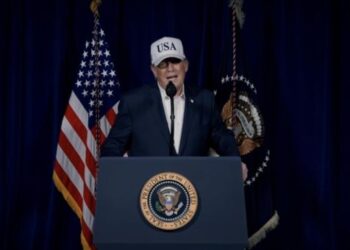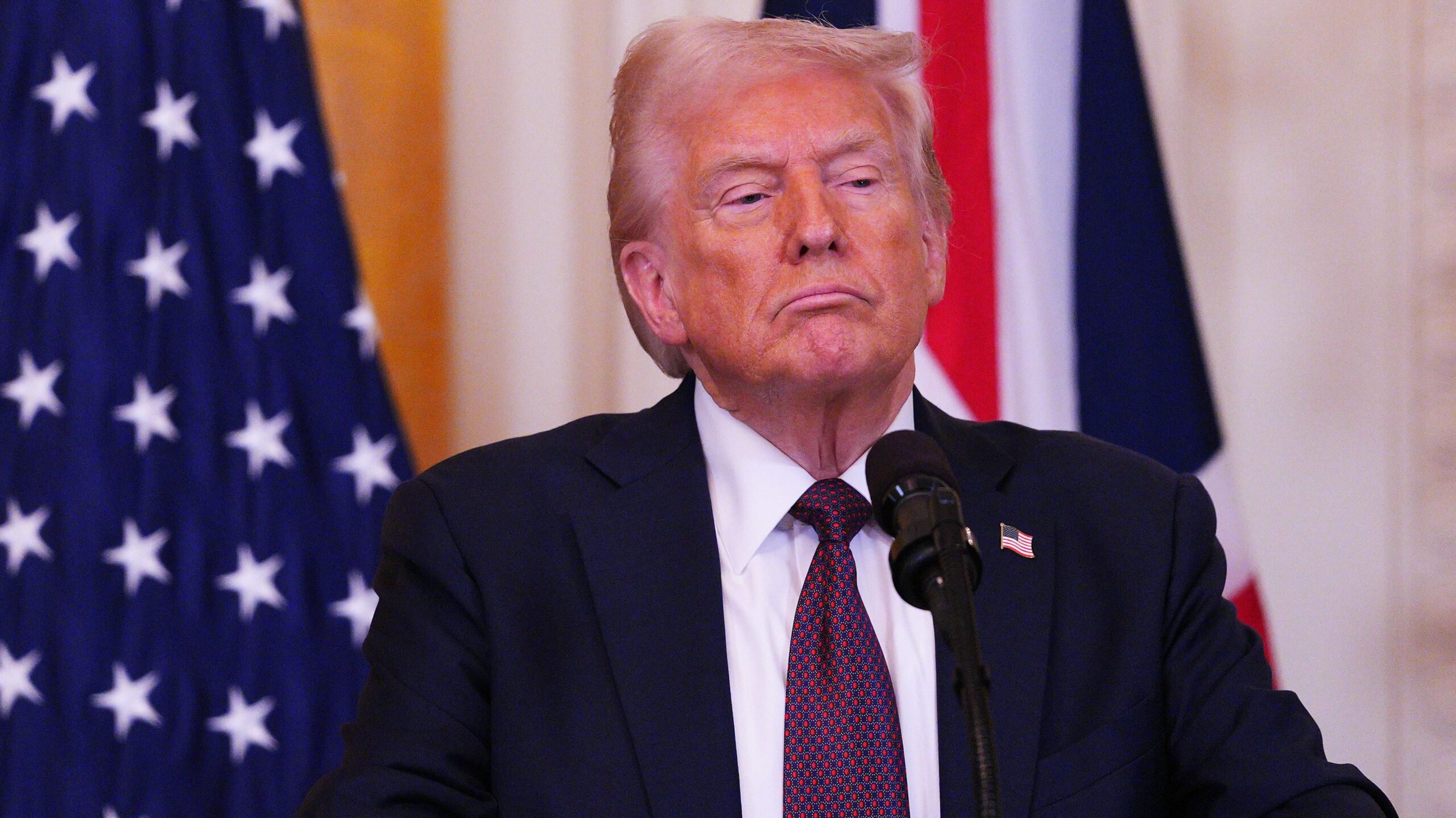
President Donald Trump has announced that the United States is withdrawing from a cornerstone international climate treaty, marking a far-reaching retreat from multilateral global engagement.
The White House disclosed the decision on Wednesday, describing it as part of a broader move away from collective international frameworks viewed as unfavorable to American interests.
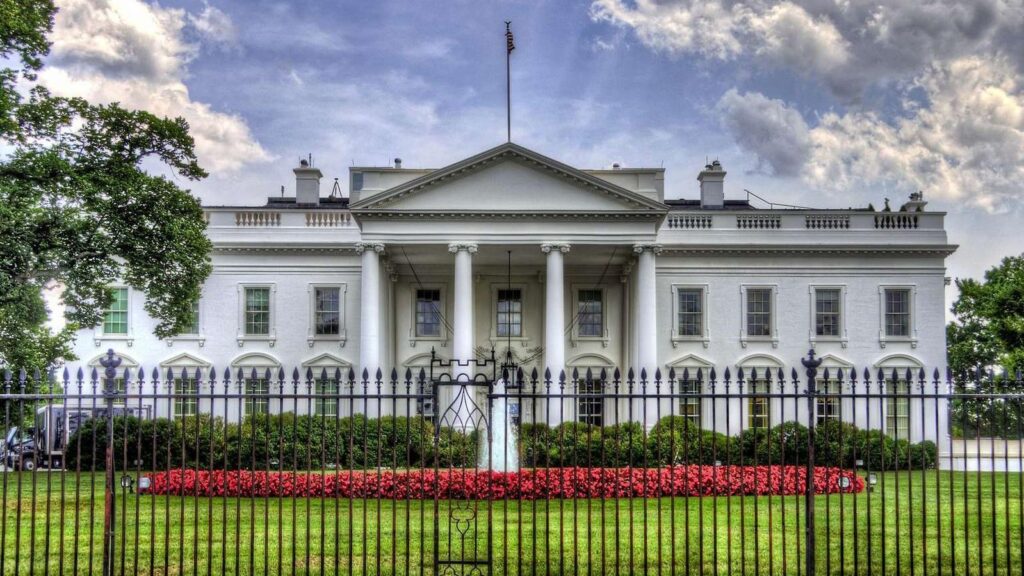
According to a White House memorandum, the administration identified 66 international organizations and treaties as being “contrary to the interests of the United States,” with roughly half of them linked to the United Nations system.
At the center of the move is the United Nations Framework Convention on Climate Change, widely regarded as the foundational treaty that supports all major global climate agreements.
Trump, whose domestic agenda strongly favors fossil fuel development, has consistently rejected the scientific consensus that human actions are driving global warming, at one point dismissing climate science as a “hoax.” His withdrawal from the UNFCCC represents a deeper step than previous exits, as the treaty forms the legal backbone of international climate cooperation.
The UNFCCC was adopted during the Rio Earth Summit in June 1992 and later approved by the US Senate under President George H.W. Bush.
While the US Constitution empowers presidents to enter treaties “provided two thirds of Senators present concur,” it does not clearly outline the process for withdrawing from them, a gap that legal experts say could open the door to court challenges.
Since returning to office, Trump has already exited the Paris climate agreement, mirroring a similar decision during his first term between 2017 and 2021, which was later reversed by his successor, former Democratic president Joe Biden. Analysts warn that leaving the underlying framework treaty could further complicate any future attempt by the United States to rejoin global climate accords.
Jean Su, a senior attorney with the nonprofit Center for Biological Diversity, told AFP that the move carries far greater consequences than withdrawing from the Paris Agreement alone. “Pulling out of the UNFCCC is a whole order of magnitude different from pulling out of the Paris Agreement,” she said.
Su added, “It’s our contention that it’s illegal for the President to unilaterally pull out of a treaty that required two thirds of the Senate vote,” noting that legal options were being explored to challenge the decision.
International observers have also expressed concern. Li Shuo of the Asia Society Policy Institute described the US withdrawal from the UN climate framework as a serious setback to global efforts, saying it fractures years of painstakingly built consensus on climate action.
Criticism has also come from within the United States. California Governor Gavin Newsom, a prominent Trump critic and widely viewed as a potential presidential contender, said in a statement that “our brainless president is surrendering America’s leadership on the world stage and weakening our ability to compete in the economy of the future — creating a leadership vacuum that China is already exploiting.”
Beyond the UNFCCC, the memorandum instructs the United States to withdraw from the Intergovernmental Panel on Climate Change, the UN body responsible for assessing climate science, as well as other climate-related entities such as the International Renewable Energy Agency, UN Oceans and UN Water. As in his first term, Trump has also pulled the US out of the Paris Agreement and UNESCO, the UN Educational, Scientific and Cultural Organization, which the country had rejoined under Biden.
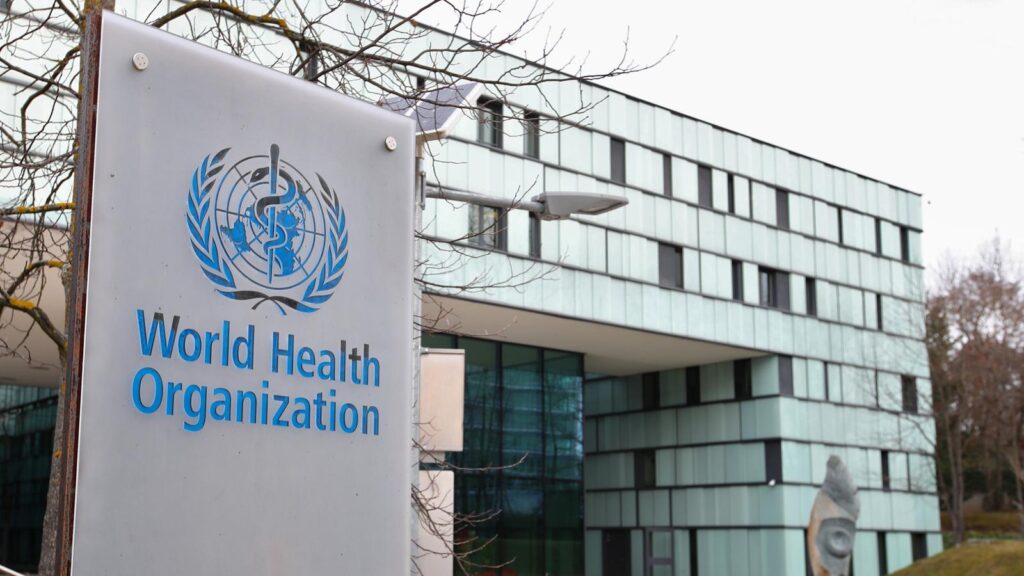
The administration has similarly withdrawn from the World Health Organization and significantly reduced foreign aid, cutting funding to multiple UN agencies and forcing them to curtail operations, including the High Commissioner for Refugees and the World Food Programme. Other organizations named in the memorandum include the UN Population Fund, UN Women and the UN Conference on Trade and Development.
Secretary of State Marco Rubio defended the decisions, arguing that many of the organizations were driven by “progressive ideology” and were attempting to “constrain American sovereignty.” He said that from DEI mandates to “gender equity” campaigns and climate orthodoxy, international bodies were increasingly serving what he described as a globalist agenda.
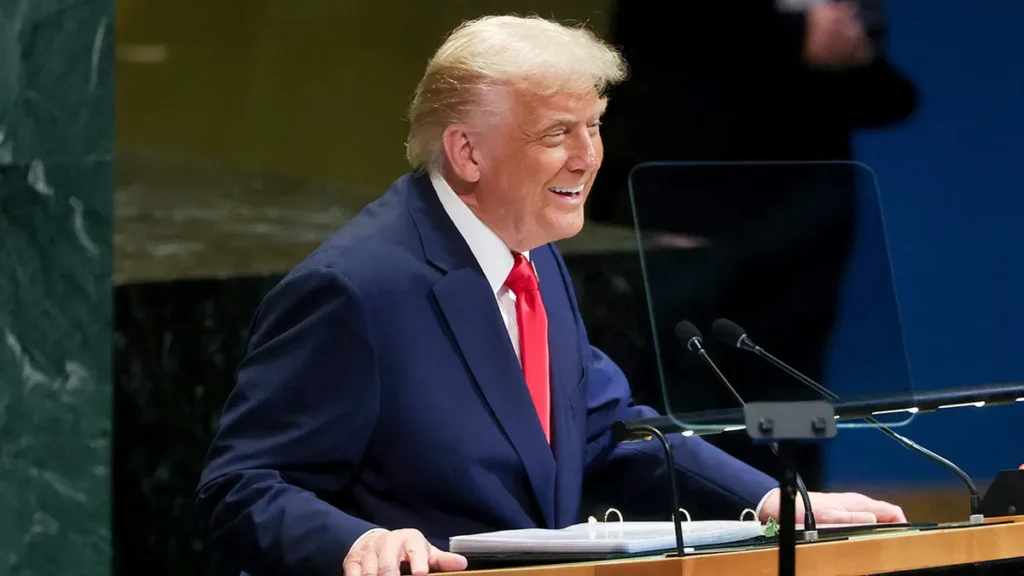
Trump’s skepticism toward the United Nations is not new. Speaking before the General Assembly in September, he delivered a sharp critique of the organization founded in 1945 to promote global peace and cooperation after the Second World War. “What is the purpose of the United Nations?” Trump asked during a sweeping speech that also touched on grievances as minor as a broken escalator and teleprompter at the UN headquarters in New York.
What you should know
The US withdrawal from the UNFCCC goes beyond symbolic politics and strikes at the legal foundation of global climate cooperation, raising questions about international leadership, treaty law and America’s long-term role in addressing climate change.
Legal challenges may emerge due to constitutional ambiguities, while the decision is expected to have ripple effects on global climate negotiations and US diplomatic influence.