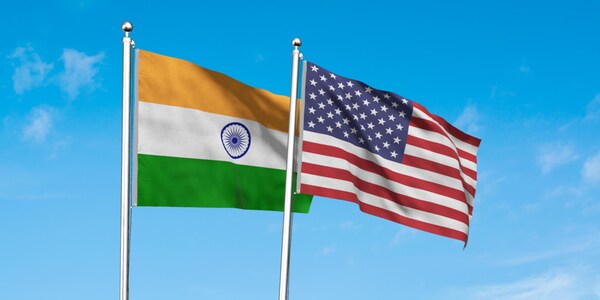
In a significant escalation of trade tensions, President Donald Trump signed an executive order Wednesday imposing an additional 25% tariffs on goods imported from India, citing the country’s continued importation of Russian oil as justification for the punitive measure.
The new tariffs, which will take effect 21 days from the date of the executive order, will be layered on top of existing 25% duties, bringing the total tariff rate on Indian goods to 50%—among the highest levied by the United States on any major trading partner. The move places India alongside Brazil as facing the steepest trade penalties, while regional competitors like Vietnam and Bangladesh maintain significantly lower tariff rates in the 15-30% range.
Economic Impact and Market Response
The tariff announcement has sent ripples through India’s export-dependent sectors, with analysts predicting severe consequences for the country’s economic growth trajectory. Export industry representatives warn that the 50% tariff rate will create a substantial competitive disadvantage for Indian manufacturers and exporters.
“The additional duty imposition is unfortunate and represents a major blow to the overall Indian exports ecosystem,” said industry analysts, with the gems and jewelry sector expected to bear the brunt of the impact. The sector, which relies heavily on U.S. consumer markets, faces the prospect of a “massive decline” in exports due to sharp increases in duties on studded gold jewelry.
However, key segments, including electronics and pharmaceuticals, will continue to be exempt from the additional tariffs, providing some relief for India’s technology and healthcare export industries.
GDP Growth Concerns
Economic forecasters are already revising their projections for India’s fiscal year 2026 growth, with some analysts warning that GDP growth could fall below 6% if the tariffs remain in place. The potential economic hit is estimated at 40-50 basis points—double earlier projections of tariff-related damage to the Indian economy.
“While Trump’s order gives another 21 days for a deal to break through, in case it does not, we will have to significantly lower the FY26 GDP growth forecast,” economists noted, highlighting the mounting pressure on both governments to resolve.
Diplomatic Tensions and Strategic Implications
The tariff dispute marks a sharp deterioration in U.S.-India relations, which have historically been characterized by growing strategic partnership and economic cooperation. The rapid escalation has raised concerns about the broader geopolitical implications, with analysts suggesting that China may seek to capitalize on the rift between Washington and New Delhi.
“This turnaround in bilateral relations has occurred quickly, and neither side can afford to be at odds with each other,” diplomatic observers noted. “Beijing is most probably welcoming these developments and may take modest steps now to improve its relations with Delhi.”
The Russian Oil Factor
At the heart of the dispute lies India’s continued purchase of Russian crude oil, despite Western sanctions imposed following Russia’s invasion of Ukraine. India has defended its energy procurement strategy as economically necessary and strategically diversified, arguing that Russian oil represents just one component of its broader crude basket.
“India’s crude oil imports have remained diversified—we’ve been sourcing from the U.S., among others, not just Russia,” industry representatives stated, emphasizing that the country maintains multiple supplier relationships.
Market Reactions and Future Outlook
Despite the severity of the announced tariffs, market reactions have been relatively muted, suggesting that investors may view the 21-day implementation window as providing sufficient time for diplomatic resolution. The delayed implementation has been interpreted by some analysts as offering an “off-ramp” for both sides to negotiate.
India’s merchandise exports to the United States totaled approximately $87 billion in fiscal year 2025, representing about 2% of India’s GDP. While the impact of the tariffs would be “notable,” analysts suggest it is “unlikely to be severe” given the relatively modest share of U.S. trade in India’s overall economy.
Path Forward
The escalating trade dispute has intensified pressure on both governments to find a face-saving resolution within the 21-day window. Industry observers suggest that India may consider agreeing to a phased reduction in Russian oil purchases while diversifying to alternative suppliers as part of a broader trade agreement.
The crisis has also underscored the importance of India’s strategy to diversify export markets and reduce dependence on any single trading partner, with the country’s expanding network of free trade agreements potentially providing alternative pathways for sustained export growth.
As both nations weigh their options, the coming weeks will prove critical in determining whether diplomatic channels can prevent what could become one of the most significant trade disputes between the world’s largest and most populous democracies.
WHAT YOU SHOULD KNOW
President Trump has imposed an additional 25% tariff on Indian goods (bringing the total to 50%), set to take effect in 21 days, citing India’s continued imports of Russian oil. This makes India one of the highest-tariffed countries alongside Brazil, severely disadvantaging it against competitors like Vietnam and Bangladesh.
India faces pressure to either significantly reduce Russian oil purchases or accept severe economic consequences, while both nations risk damaging a strategically important partnership over energy policy differences.