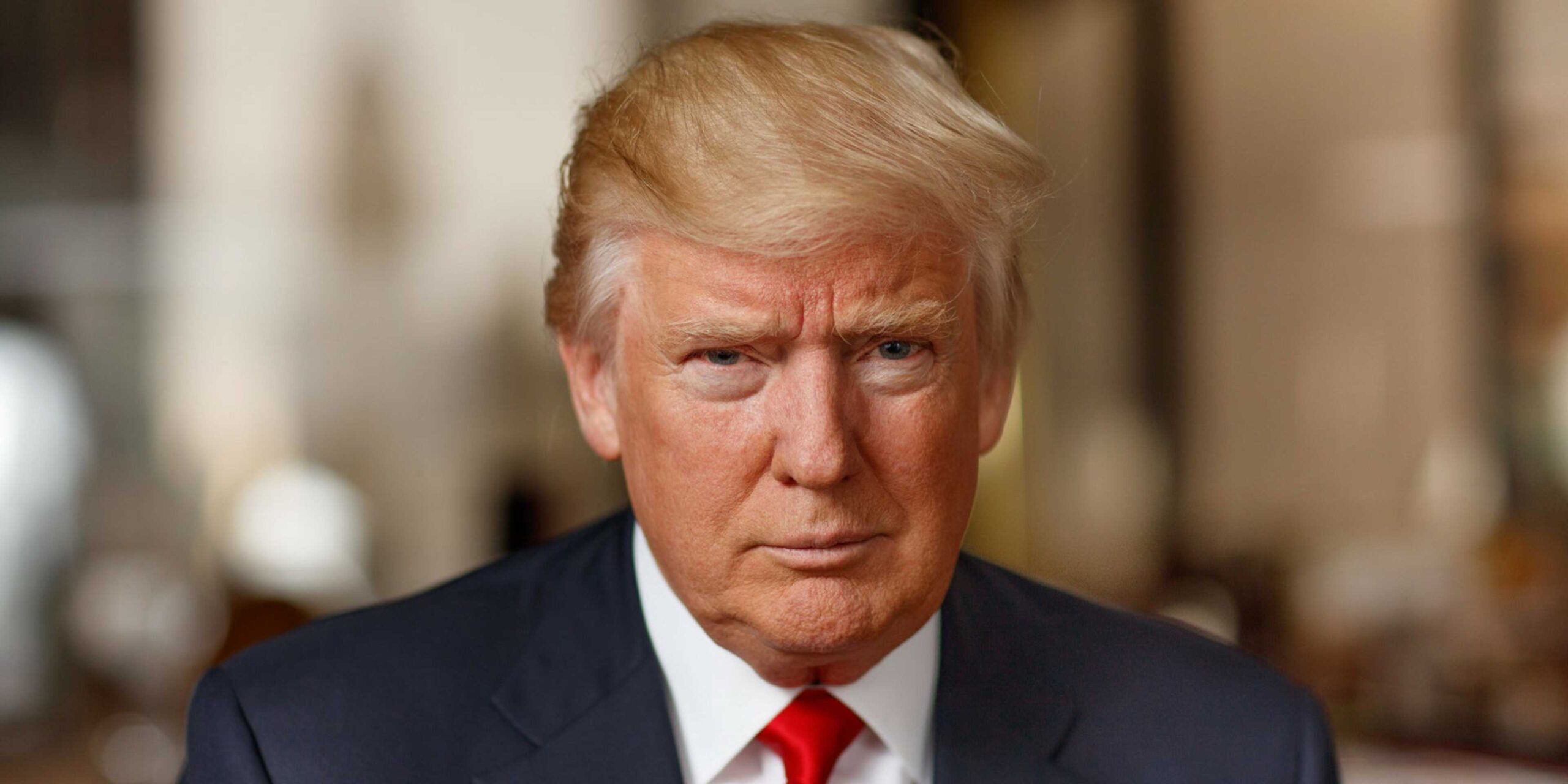
President Donald Trump on Tuesday unveiled a new trade agreement with Indonesia that will see a 19% tariff slapped on goods imported from the Southeast Asian nation, as his administration intensifies efforts to curb the U.S. trade deficit and reshape global commerce on what he deems more favorable terms for American interests.
Speaking outside the Oval Office, Trump announced that the U.S. would impose the flat tariff while exempting American exports to Indonesia from similar levies. The deal also includes provisions aimed at cracking down on transhipments from China—an ongoing concern in U.S. trade policy—and includes a significant purchase commitment from Jakarta.
“They are going to pay 19% and we are going to pay nothing,” Trump stated. “We will have full access into Indonesia, and we have a couple of those deals that are going to be announced.”
According to the president’s later post on Truth Social, Indonesia agreed to buy $15 billion worth of U.S. energy products, $4.5 billion in American agricultural goods, and 50 Boeing aircraft. However, the timeline for these purchases remains unspecified.
A Deal to Avert a Bigger Threat
The agreement with Indonesia—a relatively modest trade partner with about $40 billion in two-way trade in 2024—comes just weeks before an August 1 deadline, after which U.S. tariffs on most imports were set to rise sharply. Indonesia was among several nations that received warning letters from Trump threatening punitive tariffs, including one proposing a 32% levy, unless trade concessions were made.
Other countries like Canada, Brazil, and Japan have also been put on notice, with Trump proposing blanket tariffs ranging from 20% to 50%, and a specific 50% tariff on copper imports.
Indonesia appears to have acted quickly to secure a less severe outcome. Susiwijono Moegiarso, a senior official with Indonesia’s Coordinating Ministry for Economic Affairs, confirmed that both nations are preparing a joint statement to clarify the details of the tariff framework, non-tariff elements, and commercial commitments.
Global Trade Norms Upended
The Indonesia pact follows a similar structure to a recently inked agreement with Vietnam and is part of a broader strategy that marks a sharp departure from traditional U.S. trade policy. Since returning to the White House in January, Trump has used tariffs as a key instrument of negotiation, disrupting decades of trend toward liberalized trade and causing ripples across financial markets and global supply chains.
Analysts at Yale Budget Lab estimate that average effective U.S. tariff rates, which stood at just 2–3% before Trump’s return, are set to soar to 20.6%, slightly moderating to 19.7% after accounting for consumer behavior shifts—a rate not seen since the Great Depression era in 1933.
The tariff hike comes despite the modest trade imbalance with Indonesia. Last year, the U.S. recorded an $18 billion goods trade deficit with the country, with top imports including palm oil, electronics, footwear, car tires, rubber, and seafood.
Looking Ahead
Trump’s move signals a continuation of his aggressive “America First” trade agenda and hints at more bilateral deals to come. With talks ongoing with several other trading partners, the world watches closely as the administration barrels toward a pivotal deadline that could trigger a global escalation in trade tensions.
As the Trump administration doubles down on tariffs, many countries may find themselves forced into similar high-stakes negotiations to avoid steeper economic consequences. The ripple effects of this policy shift are likely to reshape global trade dynamics long after the ink dries on the Indonesia deal.
WHAT YOU SHOULD KNOW
The U.S. has imposed a 19% tariff on Indonesian goods under a new trade deal that grants the U.S. duty-free access and includes major purchase commitments from Indonesia—part of Trump’s broader push to reduce the U.S. trade deficit and raise tariffs globally.