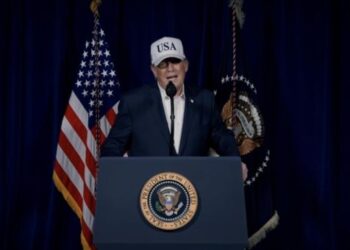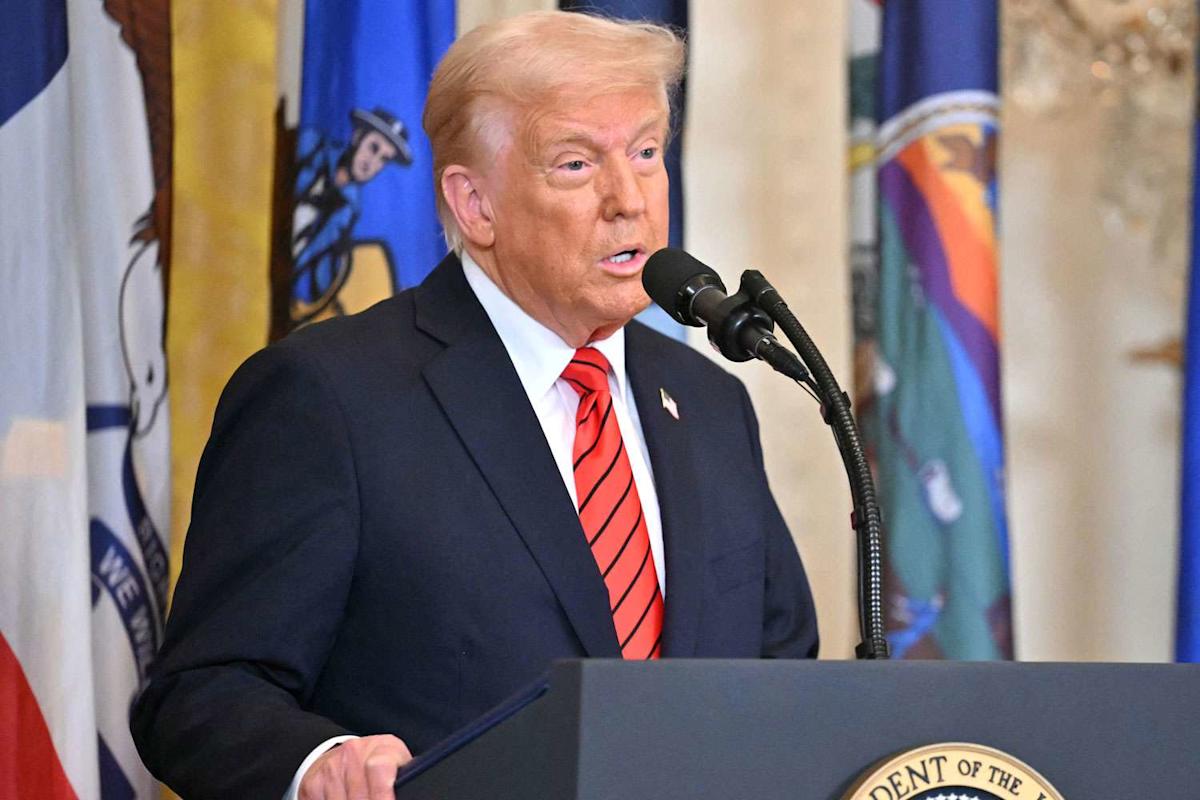
US President Donald Trump on Thursday brings together the leaders of Rwanda and the Democratic Republic of Congo for what he will present as his newest diplomatic victory despite continued unrest in the region.
Trump aims for the agreement to open the door for the United States to secure access to vital minerals located in eastern DRC, an area plagued by conflict yet rich in essential materials used in modern technology, including electric vehicles.
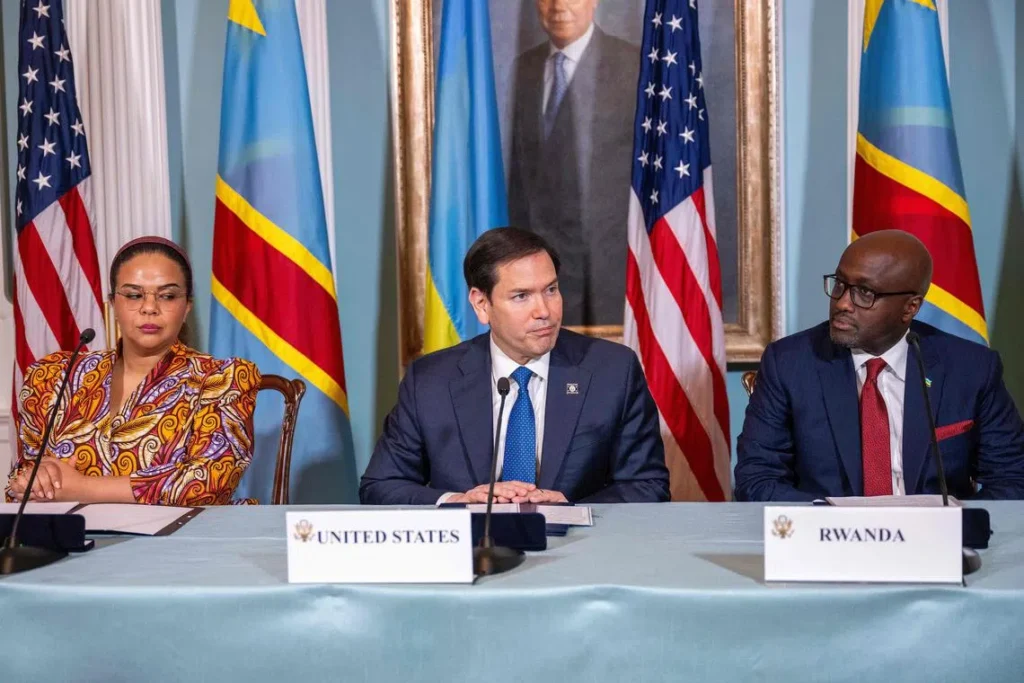
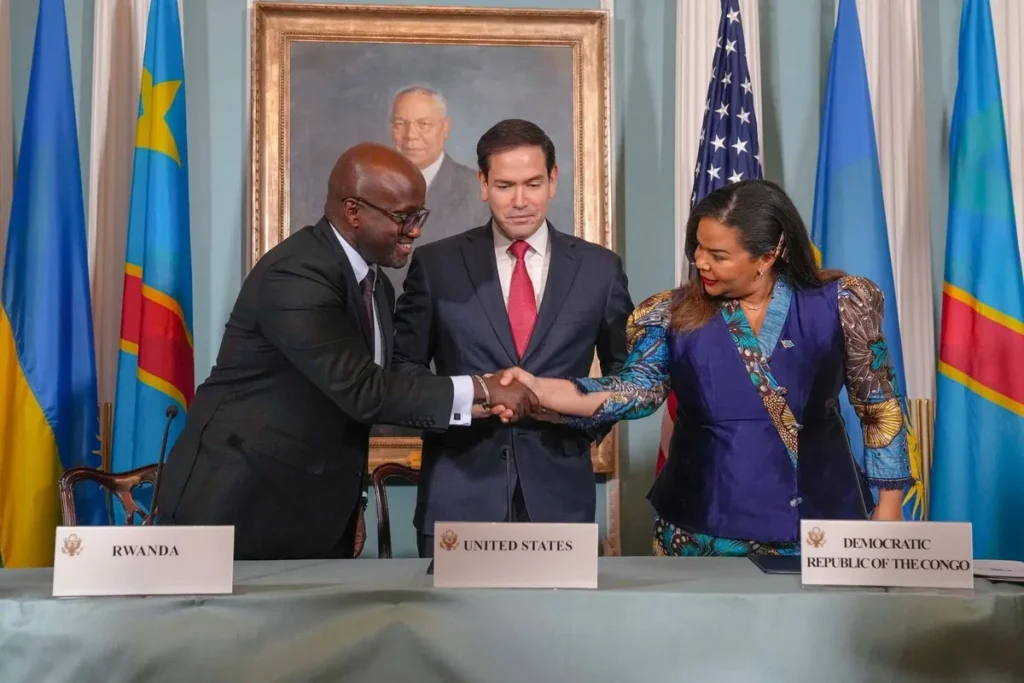
Paul Kagame, Rwanda’s longtime leader, whose country has gained a dominant position in the conflict, will meet with Trump and DR Congo President Felix Tshisekedi at the newly renamed Donald J. Trump US Institute of Peace, an institution Trump previously shut down during broad cost-cutting measures.
The White House announced that both leaders are expected to endorse a peace pact, coming more than five months after their foreign ministers gathered with Trump and unveiled a separate agreement intended to halt the violence.
However, on the eve of Trump’s anticipated meeting, fierce clashes erupted in eastern DRC, where the M23 armed group, backed by Rwanda, has continued advancing in recent weeks against the forces loyal to Kinshasa.
“Many houses have been bombed, and there are many dead,” said Rene Chubaka Kalembire, an administrative official in Kaziba, a town under M23 control.
The long-running tensions escalated sharply in late January when the M23 seized the major cities of Goma and Bukavu.
Following the June accord, the M23, which denies any affiliation with Rwanda, and the government in Kinshasa agreed to a ceasefire after mediation by US partner Qatar, though both parties have since accused each other of breaking the terms.
Trump’s Mineral Interests

Trump has repeatedly claimed that DR Congo, where countless lives have been lost over decades of war, is among the many global conflicts he has resolved since returning to the presidency in January.
He has also expressed hopes that the United States can tap into the country’s mineral wealth, resources that might otherwise be exported to China.
DR Congo holds the world’s largest reserves of cobalt, a crucial material for electric-vehicle batteries, along with significant deposits of copper and other essential minerals.
The Congolese government said that its arrangement with Trump would feature a peace agreement, a regional economic partnership, and a “strategic partnership” focused on natural resources.
Presidential spokeswoman Tina Salama emphasised that Kinshasa insisted on genuine peace before shifting toward deeper economic discussions.
“This isn’t selling out on minerals to the Americans,” she told reporters in Washington.
“It’s not peace for minerals as has been said.”
Rwanda has conditioned the withdrawal of its “defensive measures” on Kinshasa’s willingness to neutralise the Democratic Forces for the Liberation of Rwanda (FDLR), an ethnic Hutu organization tied to Rwanda’s 1994 genocide.
Kagame, who, unlike Tshisekedi, is expected to hold a separate meeting with Trump, accused DR Congo last week of delaying the signing of the agreement.
DRC Communication Minister Patrick Muyaya countered by saying that the renewed fighting demonstrated Rwanda’s lack of commitment.
“It just proves that Rwanda doesn’t want this,” he said.
Both countries have also been in discussions with the US government over one of its top priorities: accepting migrants as Trump expands a sweeping deportation campaign.
Rwanda had previously agreed to a migrant-relocation deal with the United Kingdom until Prime Minister Keir Starmer took office and scrapped the project.
What you should know
This article explores President Donald Trump’s attempt to frame a meeting with Rwandan President Paul Kagame and DR Congo’s Felix Tshisekedi as a peace breakthrough, even as violence continues in eastern DRC.
The talks intersect with US ambitions to access Congo’s vast mineral deposits, especially cobalt used in electric-vehicle batteries. Rwanda and DR Congo disagree sharply on the causes of renewed fighting, with both sides accusing the other of undermining earlier agreements.
The proposed pact also connects to wider US diplomatic interests, including ongoing negotiations with both countries on migrant intake policies.