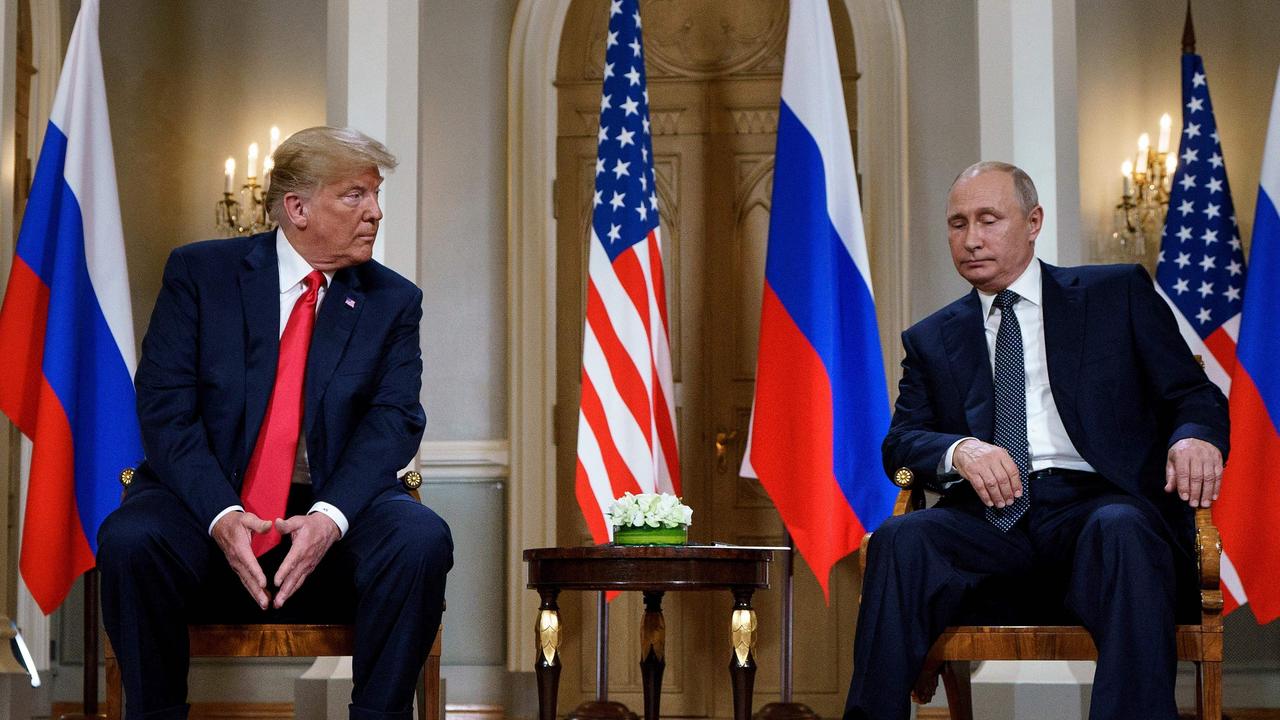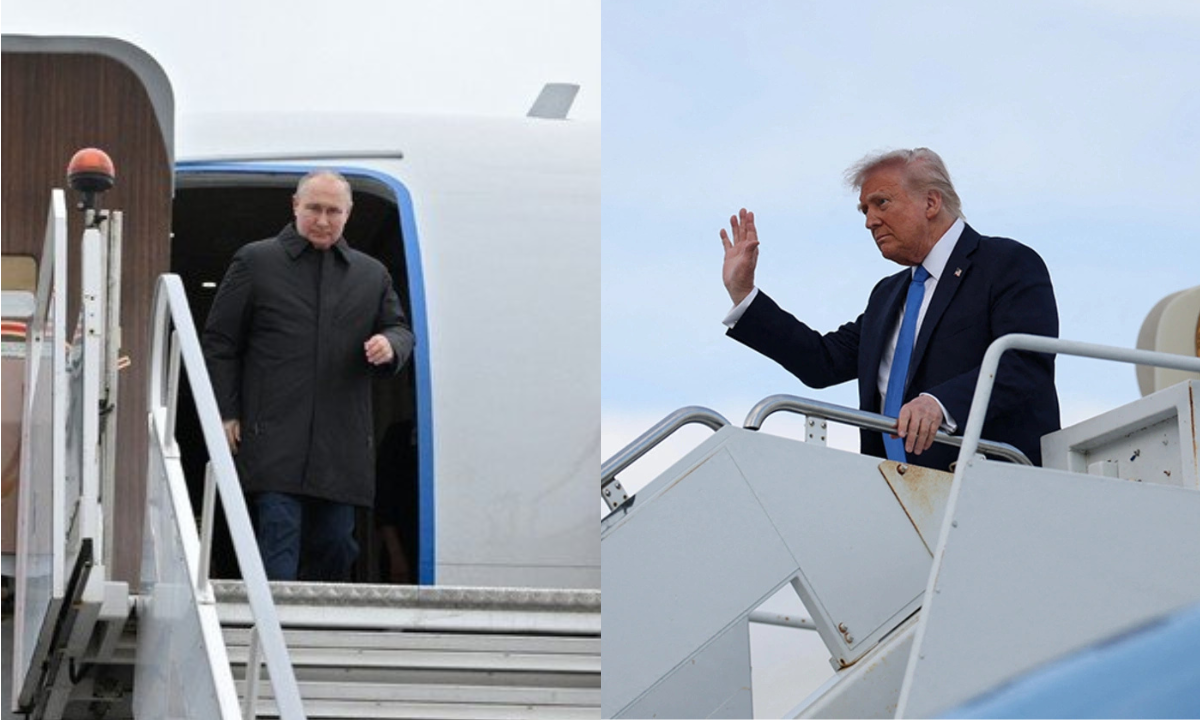
Donald Trump and Vladimir Putin arrived in Alaska on Friday for a high-risk summit aimed at testing the US president’s pledge to end the war in Ukraine.
Both leaders expressed cautious optimism, though Trump warned he could walk away within minutes if Putin showed no willingness to compromise.
The meeting marks Putin’s first trip to Western soil since launching the invasion of Ukraine in February 2022, a conflict that has killed tens of thousands. Recent Russian battlefield advances have strengthened Putin’s position ahead of any potential ceasefire negotiations.
Speaking aboard Air Force One en route to Anchorage, Trump said, “There’s a good respect level on both sides and I think something’s going to come out of it,” but clarified the talks were intended as a “feel-out meeting” rather than formal negotiations. He vowed to bring Russia and Ukraine “to the table” for a three-way agreement involving Ukrainian President Volodymyr Zelensky.
Zelensky, excluded from the Alaska talks, urged the US to ensure Russia takes the “necessary steps” toward ending the war, reiterating his refusal to cede occupied territory. European leaders are also closely watching the outcome.
The summit is taking place at Elmendorf Air Force Base, with a private meeting between Trump and Putin planned before a working lunch. Neither leader is expected to leave the base, where protesters have gathered in solidarity with Ukraine. Trump’s entourage includes senior economic officials, raising speculation that sanctions relief and renewed trade ties could also be on the agenda.
Putin’s attendance is seen as breaking his diplomatic isolation, with Zelensky calling the summit a “personal victory” for the Russian leader. Moscow has downplayed expectations, while Trump has warned of “very severe” consequences if Putin refuses a ceasefire.
What you should know
The Alaska summit signals a dramatic shift in US and Western engagement with Russia, as Trump tests whether direct talks with Putin can open a path to peace in Ukraine.
The meeting comes amid Russian territorial gains, concerns from European allies, and growing debate over whether sanctions and isolation are giving way to negotiation.