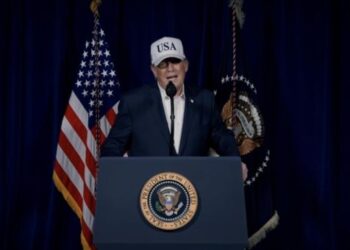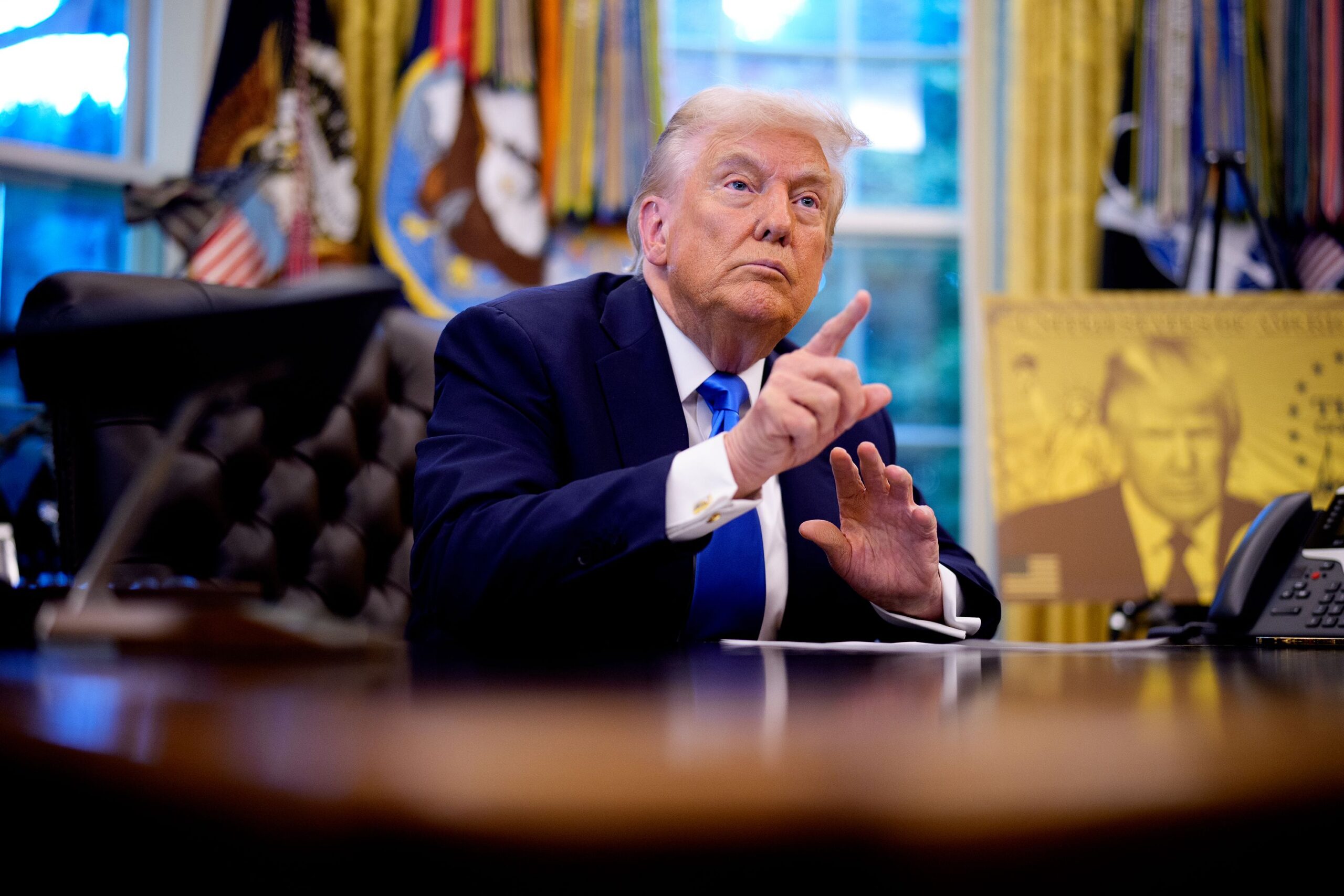
President Donald Trump’s lead immigration official, Tom Homan, on Thursday announced the end of an intensified federal immigration enforcement operation in Minnesota that had sparked widespread protests and national outrage following the fatal shootings of two U.S. citizens.
Speaking at a briefing outside Minneapolis, Homan said he had recommended concluding the operation and that President Trump agreed.
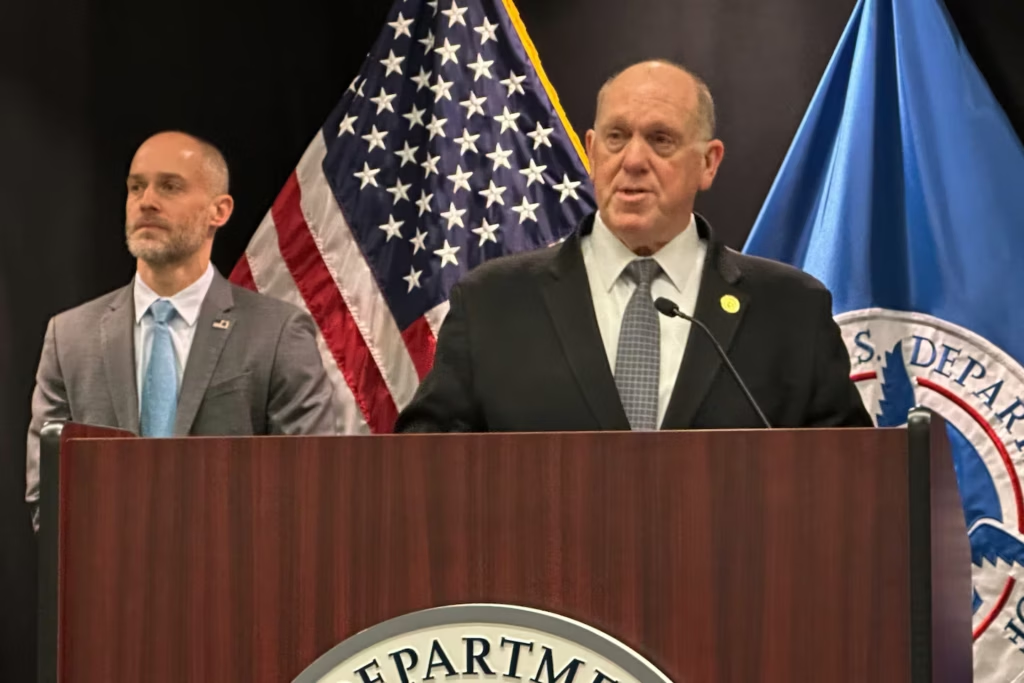
“I have proposed and President Trump has concurred that this surge operation conclude,” Homan said. “A significant drawdown has already been underway this week and will continue through the next week.”
Protests and Public Outcry
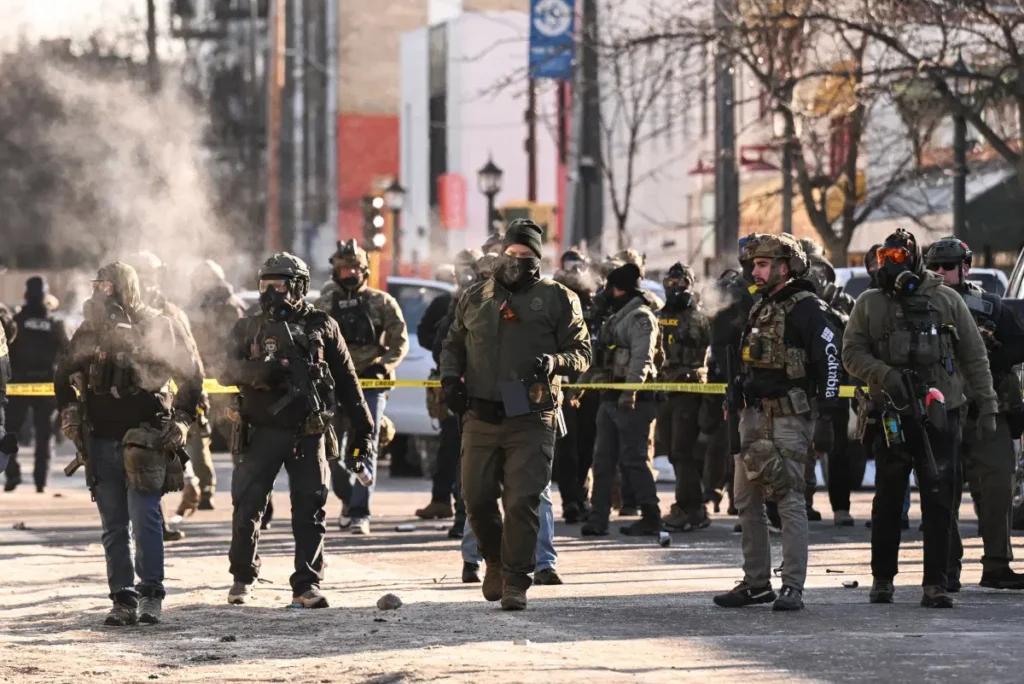
The operation involved thousands of federal agents, including Immigration and Customs Enforcement (ICE) officers, carrying out raids and arrests. The administration described the actions as targeted enforcement against criminal offenders.
However, demonstrations escalated after the fatal shootings of Renée Good and Alex Pretti, which occurred less than three weeks apart. Daily footage circulating online showed masked federal agents conducting aggressive arrests, fueling public criticism. Reports alleging that some individuals were detained based on weak evidence further intensified scrutiny.
The detention of five-year-old Liam Conejo Ramos on January 20 also contributed to public anger.
Leadership Changes and Political Pressure
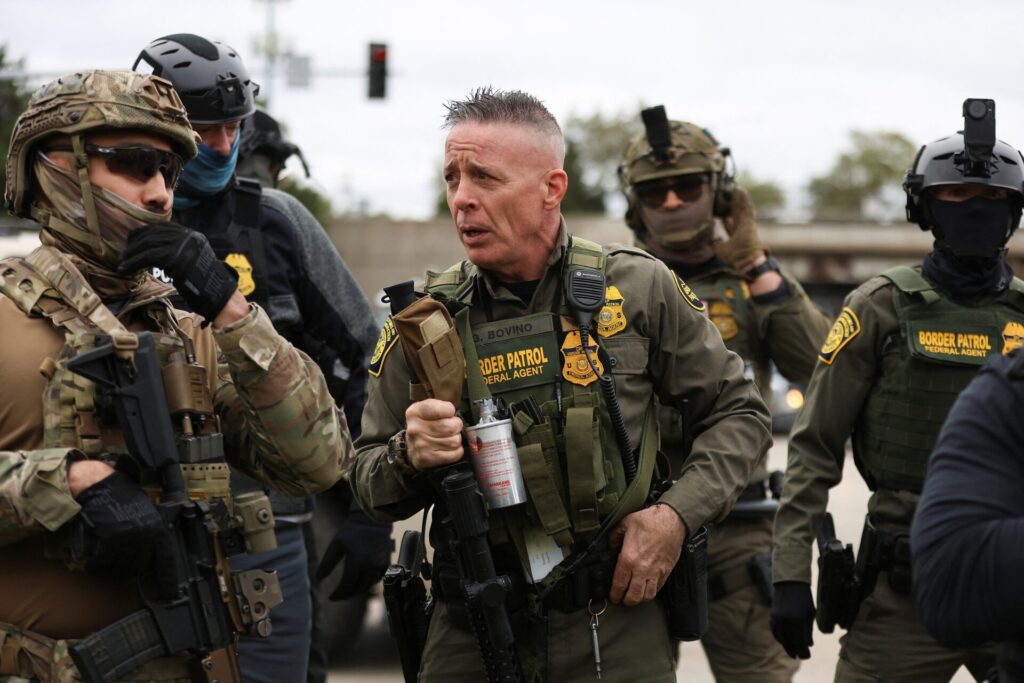
Following the shootings, President Trump removed Customs and Border Protection commander Gregory Bovino and replaced him with Homan, who took a less confrontational approach and sought engagement with local Democratic leaders.
Minneapolis is a Democratic-led “sanctuary” city, where local law enforcement does not cooperate with federal immigration authorities—a longstanding point of tension between local and federal officials.
Homan said that while the surge is ending, immigration enforcement will continue.
“In the next week, we’re going to deploy the officers here on detail, back to their home stations or other areas of the country where they are needed. But we’re going to continue to enforce immigration law,” he stated.
He indicated that some officers would remain in Minnesota but did not provide specific numbers.
According to Homan, more than 200 individuals were arrested for allegedly interfering with federal officers during the operation. He did not disclose how many immigration-related arrests or deportations were carried out.
Broader Political Context
Immigration enforcement was a central theme of Trump’s 2024 presidential campaign. However, the Minnesota operation appeared to impact public opinion, with reports suggesting a dip in his approval ratings amid the controversy.
Opposition Democrats have called for sweeping reforms to ICE, including banning mobile patrols, requiring warrants for enforcement actions, and prohibiting agents from concealing their identities.
Meanwhile, negotiations in Washington over ICE funding remain tense. If talks collapse, the Department of Homeland Security could face a funding shortfall. While ICE and Customs and Border Protection may continue operating with previously approved funds, other agencies—including FEMA—could be affected.
Despite the backlash, Homan defended the operation’s outcomes.
“The Twin Cities, Minnesota in general, are and will continue to be much safer for the communities here because of what we have accomplished under President Trump’s leadership,” he said.
What you should know
The Trump administration has ended a large-scale immigration enforcement surge in Minnesota after weeks of protests triggered by two fatal shootings and controversial arrests.
While federal agents are being withdrawn, immigration enforcement will continue elsewhere. The episode has intensified national debate over ICE practices and federal immigration policy.