Transgender women in the United States will no longer be allowed to compete in women’s events at the Olympics and Paralympics following a major policy revision by the US Olympic and Paralympic Committee (USOPC).
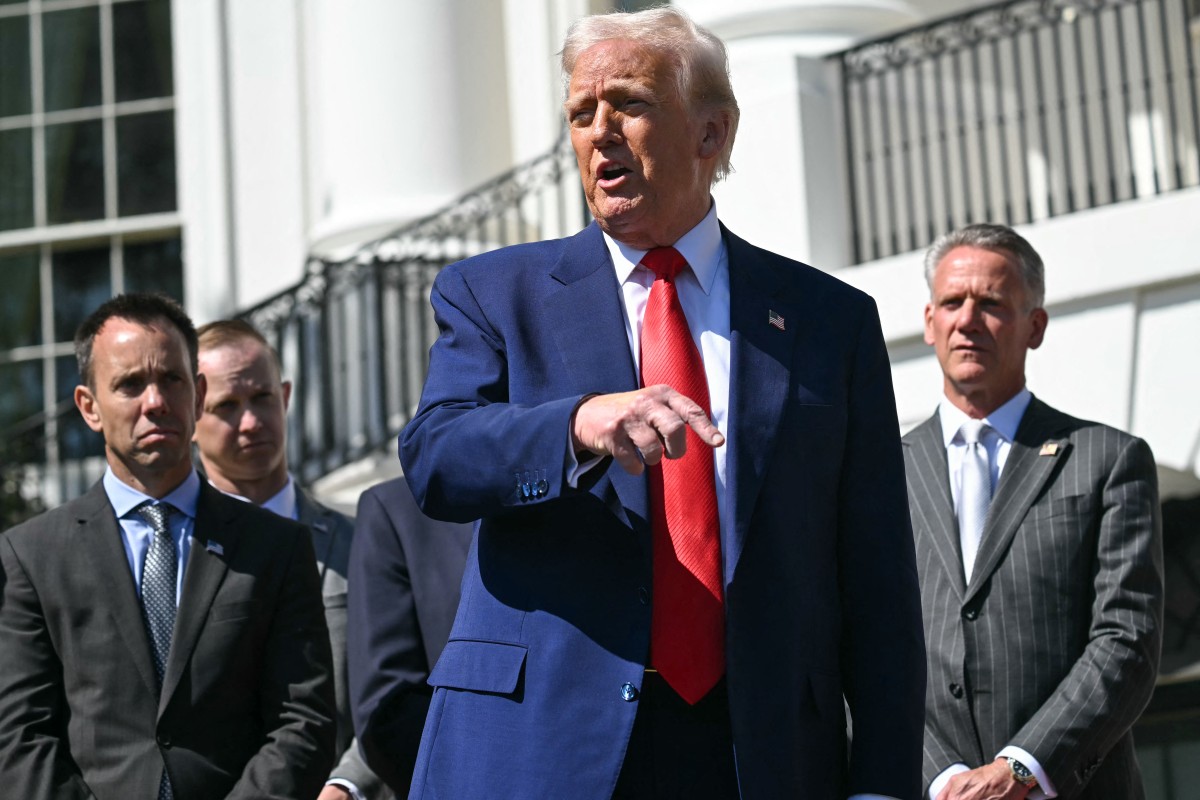
The change, which took effect on July 21, 2025, comes in direct response to President Donald Trump’s controversial “Keeping Men Out of Women’s Sports” executive order, issued in February.
A newly added subsection titled “Additional Requirements” in the USOPC Athlete Safety Policy outlines the shift, emphasizing the committee’s compliance with the executive directive and its commitment to what it terms “fair and safe competition environments” for women.
“The USOPC is committed to protecting opportunities for athletes participating in sport,” the policy states. “We will continue to collaborate with various stakeholders… to ensure that women have a fair and safe competition environment consistent with Executive Order 14201 and the Ted Stevens Olympic & Amateur Sports Act.”
The Ted Stevens Act, passed in 1988, governs amateur athletics in the US, including Olympic eligibility disputes. The USOPC, as a federally chartered entity, is legally bound to align its practices with federal directives — a point emphasized in a memo circulated to Team USA members on Tuesday by USOPC CEO Sarah Hirshland and president Gene Sykes.
“As a federally chartered organization, we have an obligation to comply with federal expectations,” the memo stated, referencing the executive order’s requirement for immediate enforcement of single-sex participation in sports and locker rooms.
The Trump administration’s executive order threatens to revoke federal funding from any school or institution that permits transgender girls to compete in girls’ sports, arguing such inclusion violates Title IX protections intended to ensure equal athletic opportunities for biological females.
In accordance with the federal directive, the USOPC has directed all US National Governing Bodies (NGBs) for Olympic sports to revise their policies, effectively excluding athletes who are not biologically female from participating in women’s divisions.
ESPN, which obtained internal communications, reported that USOPC officials said they “engaged in a series of respectful and constructive conversations with federal officials” to craft the revised policy. The letter further emphasized that fair play and safety for women athletes were key motivations behind the decision.
The NCAA has also recently updated its own eligibility rules to reflect the new national stance, restricting participation in women’s sports to those assigned female at birth. This marks a significant policy reversal in collegiate athletics, long a central battleground for transgender inclusion.
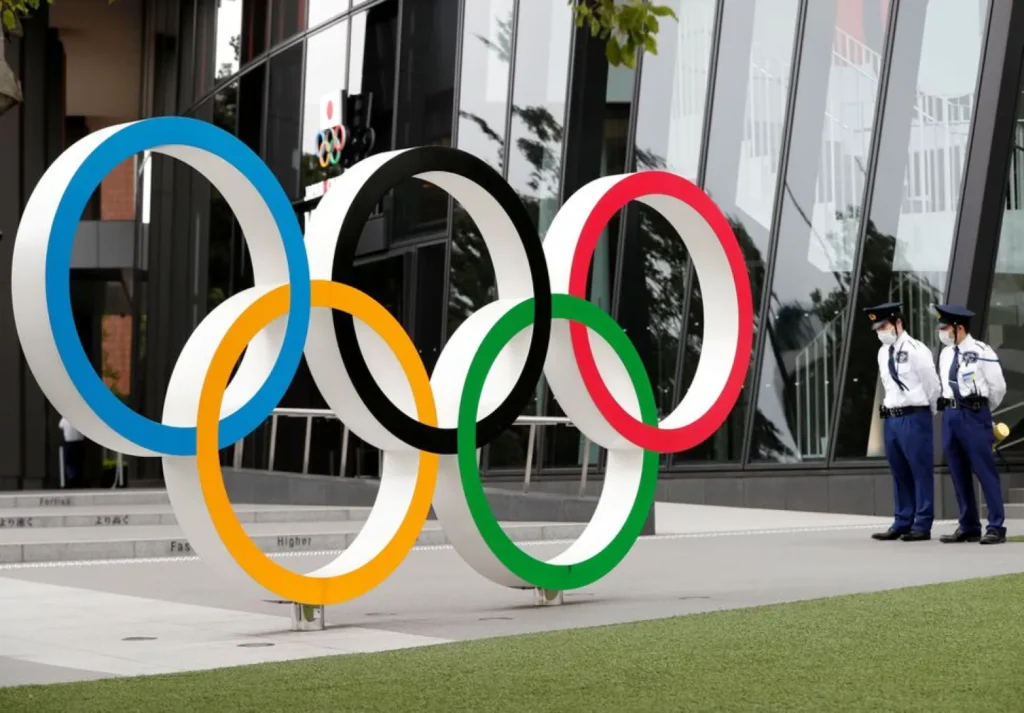
The announcement arrives as Los Angeles prepares to host the 2028 Summer Olympics, raising questions about how these policies will influence international participation and compliance with broader Olympic regulations set by the International Olympic Committee (IOC).
What you should know
The US Olympic and Paralympic Committee (USOPC) has officially barred transgender women from competing in women’s Olympic events, aligning its policy with President Trump’s executive order aimed at preserving single-sex sports.
The policy requires all National Governing Bodies to comply, while the NCAA has enacted similar restrictions.
The decision underscores a sweeping shift in US sports policy, even as debate continues nationwide and internationally over inclusion and fairness in women’s sports.