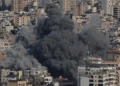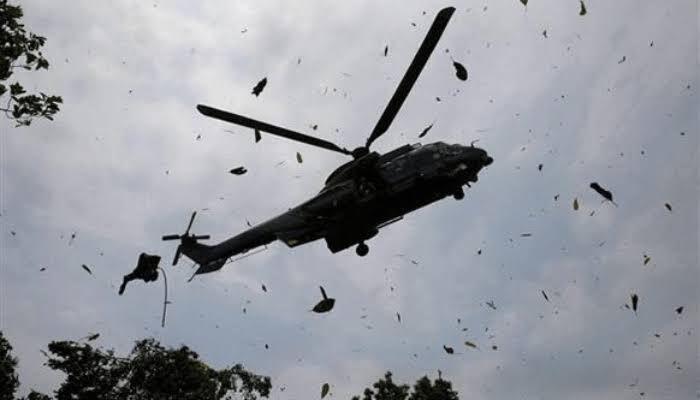
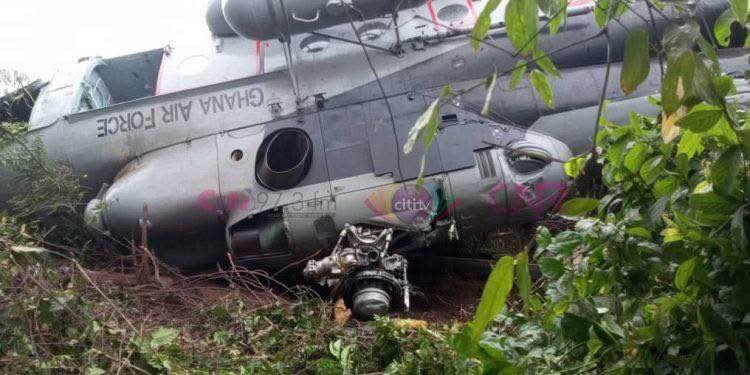
Ghana is in mourning following the deaths of two cabinet ministers, Edward Omane Boamah and Ibrahim Murtala Muhammed, who perished in a helicopter crash on Wednesday.
The Ghanaian presidency confirmed the devastating loss hours after the Ghana Armed Forces had initially reported that an air force chopper with eight individuals onboard had gone off radar.
The aircraft, which took off from the capital Accra shortly after 9:00 a.m., was en route to Obuasi in the Ashanti Region. The military initially confirmed the presence of three crew members and five passengers, though it did not immediately disclose the identities of those on board. Later in the day, it was revealed that among the deceased were two prominent ministers and other senior government figures.
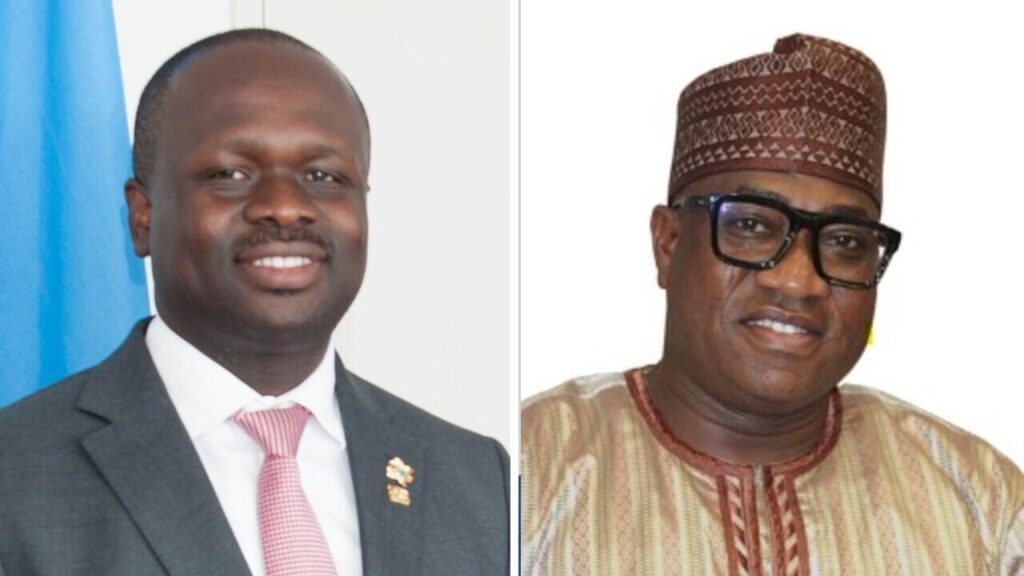
Boamah, a seasoned public servant and medical doctor by training, was serving as Ghana’s Minister of Defence. His appointment came earlier this year, shortly after President John Mahama was sworn in for a new term in January. His tenure coincided with heightened concerns over security threats emerging from Ghana’s northern borders, particularly with Burkina Faso, where jihadist activities have been intensifying. Although Ghana has largely been shielded from direct insurgent violence, analysts have repeatedly warned of growing risks, including arms smuggling and the potential use of Ghanaian territory as a strategic base for militants.
Boamah had previously held various key positions within the Mahama administration, including Minister of Communications during Mahama’s 2012–2017 presidency and Deputy Minister of Environment prior to that. His recent work focused on fortifying regional cooperation with Sahelian neighbors. In May, he led a diplomatic mission to Ouagadougou, Burkina Faso, in an effort to strengthen ties amid shifting political dynamics in West Africa, where military-led governments in Mali, Niger, and Burkina Faso have distanced themselves from ECOWAS, the regional bloc.
Also killed in the crash was Ibrahim Murtala Muhammed, Ghana’s Minister of Environment, Science, and Technology. A vocal advocate for sustainable development and scientific advancement, Muhammed had played a key role in shaping Ghana’s environmental policy amidst growing climate challenges.
Among the other casualties was Alhaji Muniru Mohammed, Ghana’s deputy national security coordinator and former agriculture minister. His death marks a significant blow to the country’s national security infrastructure. Also onboard was Samuel Sarpong, a senior figure within the ruling National Democratic Congress (NDC) party, serving as its vice chairman.
The presidency responded swiftly to the national tragedy. In a statement released by Chief of Staff Julius Debrah, President Mahama extended his condolences to the families of the victims, lauding them as patriots who died while serving their country. Debrah announced that all national flags would be flown at half-staff and confirmed the president had suspended all official engagements for the day.
As Ghanaians process the sudden loss of these high-profile leaders, tributes have poured in from across the political spectrum. The crash has not only left a vacuum in President Mahama’s administration but also disrupted ongoing governmental initiatives, particularly in security, environmental sustainability, and international diplomacy.
Boamah, who was preparing to publish a book titled A Peaceful Man in an African Democracy, chronicling the life of former president John Atta Mills, leaves behind a legacy of public service rooted in a commitment to democratic ideals and regional peace.
Investigations into the cause of the crash are expected to commence immediately, as the Ghanaian government, armed forces, and citizens grapple with the aftermath of one of the nation’s most devastating losses in recent political memory.
What You Should Know
Ghana’s defence and environment ministers, along with six others, were killed in a helicopter crash en route from Accra to Obuasi.
The crash has shaken the nation, cutting short the careers of key figures in security and governance. The late Edward Omane Boamah and Ibrahim Murtala Muhammed were integral to Ghana’s domestic and regional policy strategies.
The tragedy comes amid rising security concerns across West Africa, as Ghana remains vigilant against threats spilling over from neighboring Sahel countries.