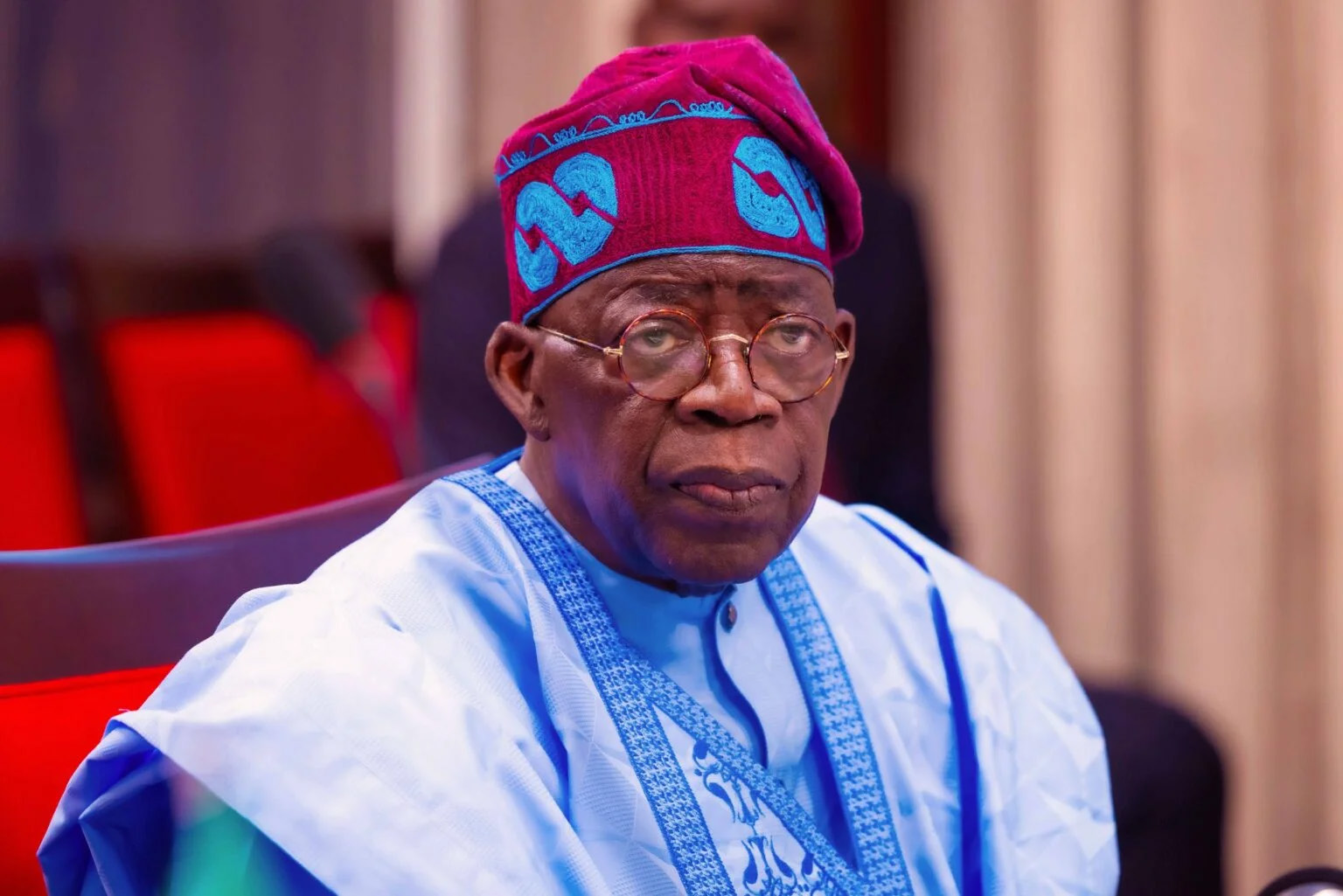
In a sweeping fiscal intervention that restructures Nigeria’s troubled oil sector finances, President Bola Tinubu has authorized the cancellation of approximately $1.42 billion and ₦5.57 trillion in accumulated debts owed by the Nigerian National Petroleum Company Limited to the Federation Account, according to official documents obtained from regulatory authorities.
The extraordinary debt forgiveness, disclosed in a report by the Nigerian Upstream Petroleum Regulatory Commission presented at November’s Federation Account Allocation Committee meeting, represents one of the most significant financial restructurings in the history of Nigeria’s petroleum industry. The canceled obligations—legacy debts dating back to December 31, 2024—had become a persistent source of friction between the state oil company and federal revenue authorities.
NUPRC records reveal the original debt portfolio stood at $1.48 billion and ₦6.33 trillion before presidential intervention. The cancellation eliminates approximately 96 percent of dollar-denominated obligations and 88 percent of naira-denominated liabilities, effectively drawing a line under years of disputed receivables from Production Sharing Contracts, Divestment of Strategic Domestic Petroleum Development, Renewal Agreements, and various royalty arrangements.
“All accounting entries reflecting the debt cancellation have been implemented in the Federation Account,” the commission confirmed, signaling the administrative finality of the decision.
The directive followed recommendations from the Stakeholder Alignment Committee on the Reconciliation of Indebtedness between NNPC Ltd and the Federation, a body established specifically to untangle the complex web of royalty and lifting-related liabilities that had accumulated over multiple fiscal years.
However, the presidential amnesty applies only to historical debts. Fresh obligations incurred during 2025 operations remain fully intact and continue to grow, with NUPRC documentation showing outstanding statutory obligations from January through October 2025 totaling $56.81 million and ₦1.02 trillion for PSC and MCA Liftings and Joint Venture Royalty Receivables.
More troubling for federal finances are the persistent revenue shortfalls plaguing oil sector collections. November 2025 royalty receipts reached just ₦605.26 billion against a projected target of ₦1.144 trillion—a deficit of ₦538.92 billion, or roughly 47 percent below expectations.
The cumulative picture through November 30, 2025, reveals systemic underperformance: while approved revenue targets stood at ₦13.25 trillion, actual collections reached only ₦7.60 trillion, leaving a yawning gap of ₦5.65 trillion. For royalties specifically, the shortfall has reached ₦5.63 trillion, raising urgent questions about the government’s revenue projections and collection mechanisms.
The month-to-month trend compounds concerns. November’s ₦605.26 billion collection represents a sharp decline from October’s ₦873.10 billion—a drop of nearly ₦268 billion in a single month. This deterioration in revenue mobilization occurs despite the resolution of legacy debt disputes, suggesting deeper structural problems in Nigeria’s oil and gas fiscal framework.
The debt cancellation offers NNPC Ltd significant breathing room, removing the burden of historical liabilities that had complicated the company’s financial position and strained its relationship with federal revenue authorities. The Federation Account provides accounting clarity and closes a contentious chapter in petroleum revenue management.
Yet the relief comes at a considerable cost to federal revenues at a time when Nigeria faces mounting fiscal pressures. The forgiven amounts—particularly the ₦5.57 trillion in naira-denominated debt—represent substantial sums that will not flow into government coffers to fund critical infrastructure, social services, and development programs.
Moreover, the persistent revenue shortfalls and declining monthly collections raise fundamental questions about the sustainability of Nigeria’s oil-dependent fiscal model. With crude oil production frequently falling below OPEC quotas, persistent crude theft, and downstream sector inefficiencies, the country’s ability to meet revenue targets appears increasingly challenged.
Industry analysts and fiscal policy experts suggest that the debt cancellation, while providing short-term relief, underscores the urgent need for comprehensive reforms in Nigeria’s petroleum sector governance. The accumulation of such massive debts in the first place points to systemic weaknesses in revenue tracking, collection enforcement, and fiscal discipline.
As 2025 obligations continue to accrue and monthly collections remain substantially below projections, the pressure intensifies on the Tinubu administration to implement robust monitoring mechanisms for NNPC Ltd operations and strengthen overall fiscal management in the oil and gas sector.
The Federation Account Allocation Committee will face difficult decisions in the coming months as it grapples with persistent revenue underperformance while states and local governments depend on monthly allocations to meet their obligations. Whether this debt forgiveness represents a one-time reset or a precedent for future interventions remains an open—and politically sensitive—question.
WHAT YOU SHOULD KNOW
President Tinubu has written off $1.42 billion and ₦5.57 trillion in NNPC’s old debts to clear the books—but Nigeria’s oil revenue crisis is far from over. While this wipes the slate clean for debts accumulated through 2024, the country is still missing revenue targets by massive margins: ₦5.65 trillion in shortfalls through November 2025, with monthly collections steadily declining.
The real concern isn’t the forgiven debt—it’s that even after this bailout, NNPC continues racking up new obligations while oil revenues keep falling short. This signals deep structural problems in Nigeria’s petroleum sector that debt cancellation alone cannot fix. Without urgent reforms in revenue collection and fiscal management, the country faces continued budget shortfalls that will impact government spending on critical services and infrastructure.